
Technical sheet
Flour type, extraction, protein, ash, moisture, particle size, treatment and intended use.
Bakery or industrial wheat flour assessed through wheat class, milling route, functionality and lot documentation.
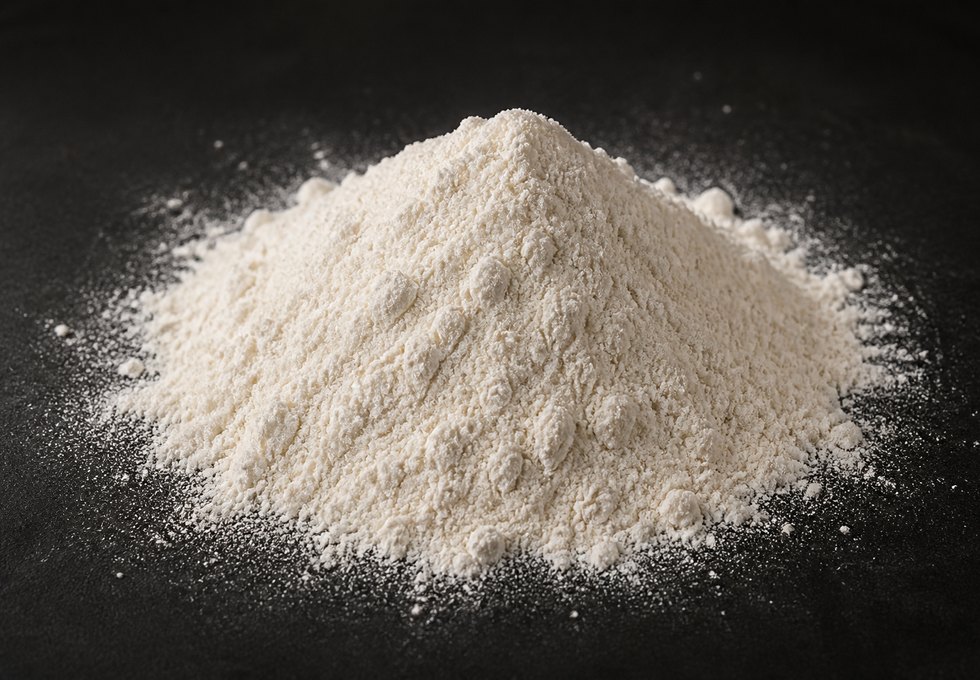
Wheat flour is bought for the functionality created after milling: strength, extensibility, absorption, colour, ash and documentary consistency.
A serious file separates refined flour, whole-wheat flour, strong bread flour, soft cake or pastry flour and durum-derived products. Semolina follows a different granulation and use logic even when the botanical source is wheat.
The trade name does not define one universal specification. Intended application, wheat type, milling scheme and contract terms decide which parameters matter first.
Impurities, foreign material and out-of-condition kernels are removed before conditioning.
Moisture is adjusted to help separate endosperm, bran and germ.
Break and reduction passages release and refine flour streams.
Plansifters and sieves separate flour by particle size, extraction and ash.
Streams are adjusted for end use, documented by lot and packed.
Protein alone is not enough: buyers should consider gluten quality, dough strength, extensibility and absorption when the destination is bread or industrial baking.
Ash helps read extraction and mineral-rich fractions, while colour, whiteness and particle size affect appearance, mixing and yield.
Falling number, damaged starch and enzymatic activity may matter in baking; they should not be imposed as a universal template when the end use does not require them.
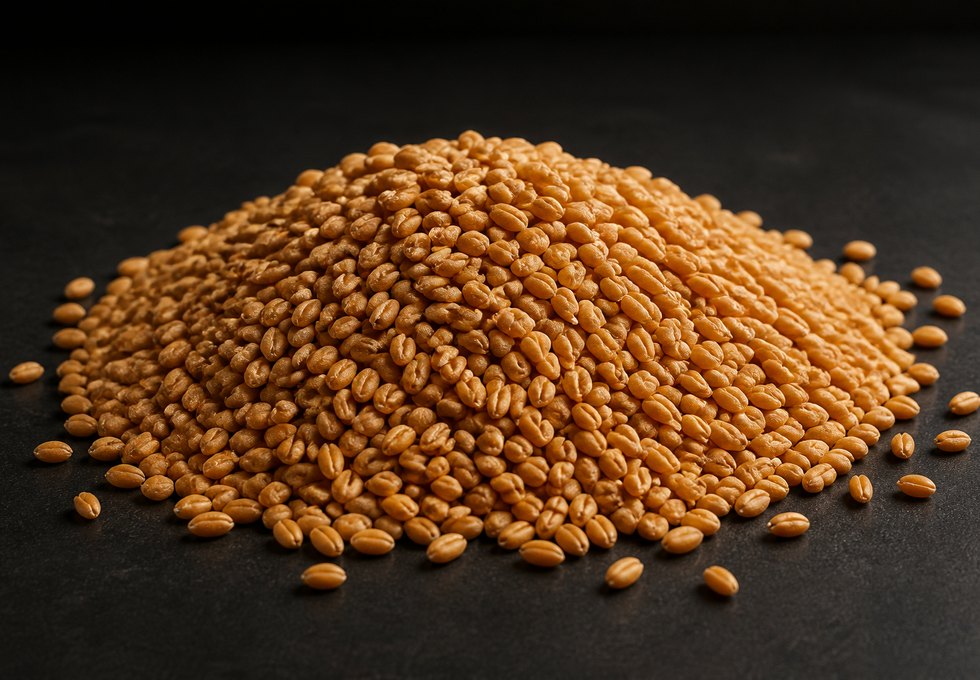
Flour needs dry-chain control: moisture, pests, odours, torn bags, cross-contact and shelf life can change acceptance even when chemical results look correct.
Codex wheat flour material gives an international identity reference, but each transaction still needs grade, destination, applicable document edition and contractual limits.
KaizenGTC can coordinate commercial reading and document review; final acceptance belongs to the buyer, agreed laboratory and destination requirements.
| Element | Verification |
|---|---|
| Protein and gluten | Tie the value to use: bread, biscuit, cake, industrial blend or pasta only where appropriate. |
| Ash and colour | Confirm extraction and appearance without treating a local value as a global rule. |
| Moisture | Check contractual limit and dry storage condition. |
| Falling number | Use it for enzyme activity where relevant to baking performance. |
| Semolina | Keep it separate from flour by granulation, durum identity and destination. |
Wheat data explain origin and base cost, but processed flour depends on milling capacity, formulation, food safety and destination packaging.
| Commercial reading | Prudent use | Source / period |
|---|---|---|
| Wheat milling | Supply context | USDA NASS Flour Milling Products provides periodic information on flour milling in the United States. |
| Wheat class and grain | Raw material | USDA ERS Wheat Data provides series and context by wheat marketing years. |
| Food contracts | Application | Codex CXS 152-1985 is a technical reference; it does not replace the contract specification. |
Sources: Codex CXS 152-1985 Wheat Flour · USDA NASS Flour Milling Products · USDA ERS Wheat Data
Flour type, extraction, protein, ash, moisture, particle size, treatment and intended use.
Analytical methods, date, laboratory, lot, shelf life and match to contract.
Wheat allergens, microbiology, mycotoxins where applicable, foreign-material control and packing.
Protein and gluten quality influence strength, absorption and gas retention, so bread flour is not validated like biscuit flour.
Ash gives a reading of extraction and mineral-rich fractions; it should be read together with colour, particle size and flour type.
No. Semolina is usually linked to durum wheat and coarser granulation; flour and semolina need separate specifications.
No. The contract should state application, grade, limits and analytical method for the offered lot.
Wheat contains gluten and is a relevant allergen in many regulatory systems; the declaration should accompany the lot file.