
AIS, MMSI and IMO
AIS is an automatic identification system that transmits navigation data. MMSI identifies the maritime station; IMO identifies the vessel more permanently; the call sign is the radio identifier.
Operational vessel identity, AIS signal and latest-position context for commercial assessment, not navigation.
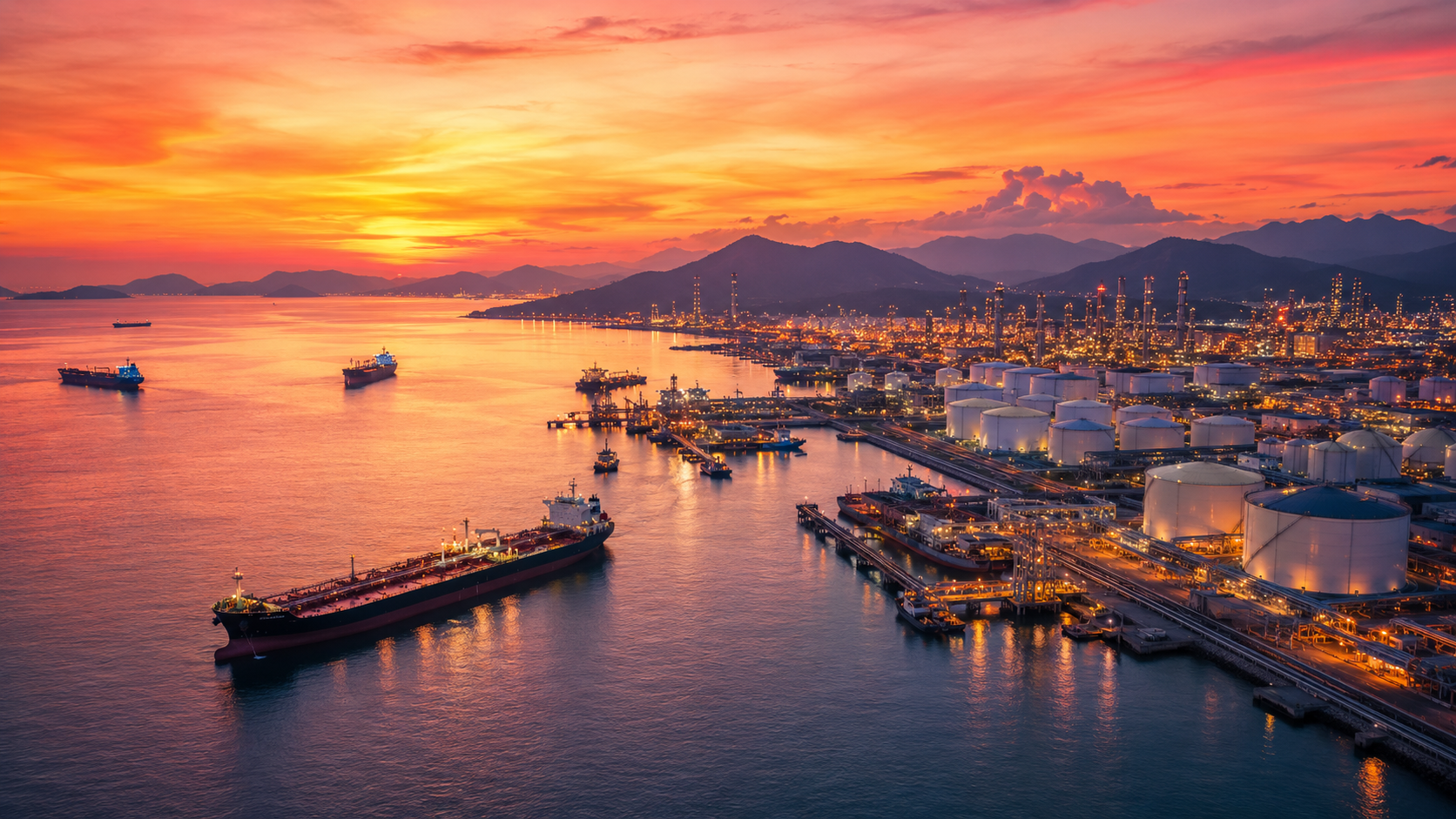
Vessel lookup pairs with route and port-distance context for trade assessment, not navigation.
AIS is an automatic identification system that transmits navigation data. MMSI identifies the maritime station; IMO identifies the vessel more permanently; the call sign is the radio identifier.
Vessel names may repeat or change. KaizenGTC combines MMSI, IMO, name and call sign when a local match has been learned from AISStream and cache.
AISStream is event-driven: a lookup may receive a recent transmission, return a cached position or find no signal during the capture window.
Vessel lookup pairs with route and port-distance context for trade assessment, not navigation.
Search by MMSI when the maritime station identifier is known.
Search by IMOUse IMO when a local vessel mapping is available.
Calculate maritime routesMove from vessel context to indicative port-to-port routing.
Explore commodity marketsConnect maritime movement with market references when a transaction requires it.
Search MMSI, IMO, vessel name or call sign with local identity, AIS cache and a short event-driven capture window.
AIS is event-driven. No recent transmission does not imply vessel unavailability.
Visible content for users and crawlers. FAQPage schema is not added in this tranche.
MMSI is the identifier of a maritime station that may appear in AIS transmissions.
IMO is a vessel identification number that is more stable than a commercial vessel name.
AIS depends on transmission, coverage, provider and capture window. No signal does not confirm vessel unavailability.
Share vessel, port, expected window and product so KaizenGTC can review the available operational context.