
Flour type
Light, medium, dark or wholemeal with ash, colour and particle size.
Flour for bread and blends where pentosans, enzymes, colour and process acidity drive performance.
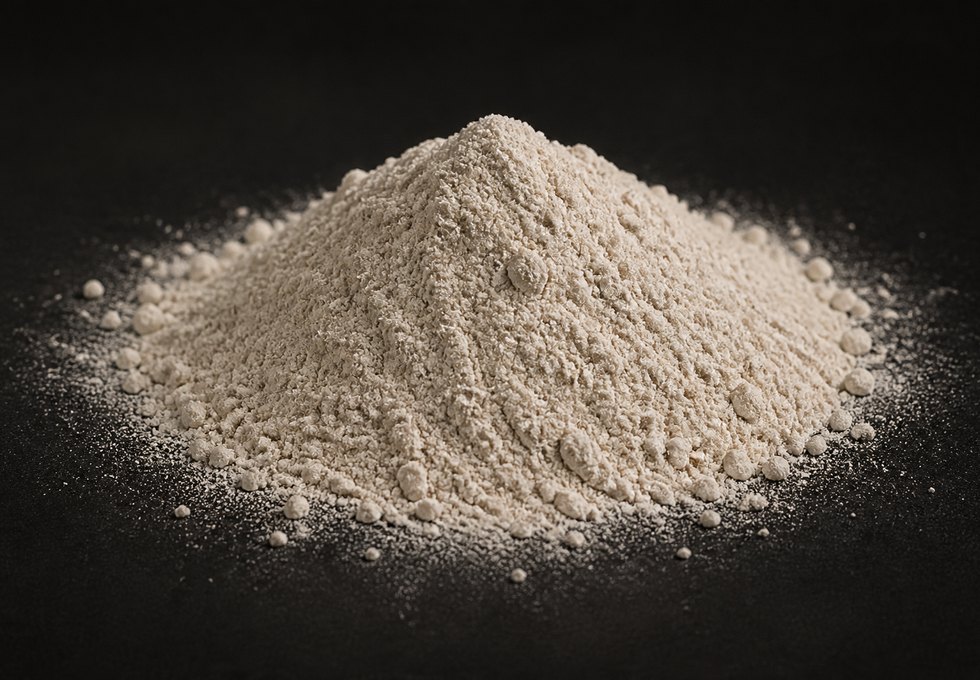
Rye flour has its own baking logic: pentosans, arabinoxylans, enzyme activity and acidity matter more than a simple gluten reading.
It may be sold as light, medium, dark or wholemeal depending on market and extraction, but those categories need specification support rather than subjective colour.
Buyers should handle falling number, moisture, ash, particle size, ergot and mycotoxins from the reality of rye, not as a copy of a wheat sheet.
Impurities, damaged kernels and physical ergot risk are removed.
Preparation helps manage bran and endosperm without losing uniformity.
Stream separation defines colour, ash and extraction.
Particle size is adjusted for rye bread, blends and sourdoughs.
Moisture, odour, pests and lot identity are controlled by destination.
Rye binds water through pentosans/arabinoxylans and does not form a bread structure like wheat; describing it as dark wheat is technically weak.
Falling number can help interpret amylase activity and sticky-dough risk, especially in breadmaking.
Rye contains gluten-related prolamins and should not be sold as a gluten-free ingredient.
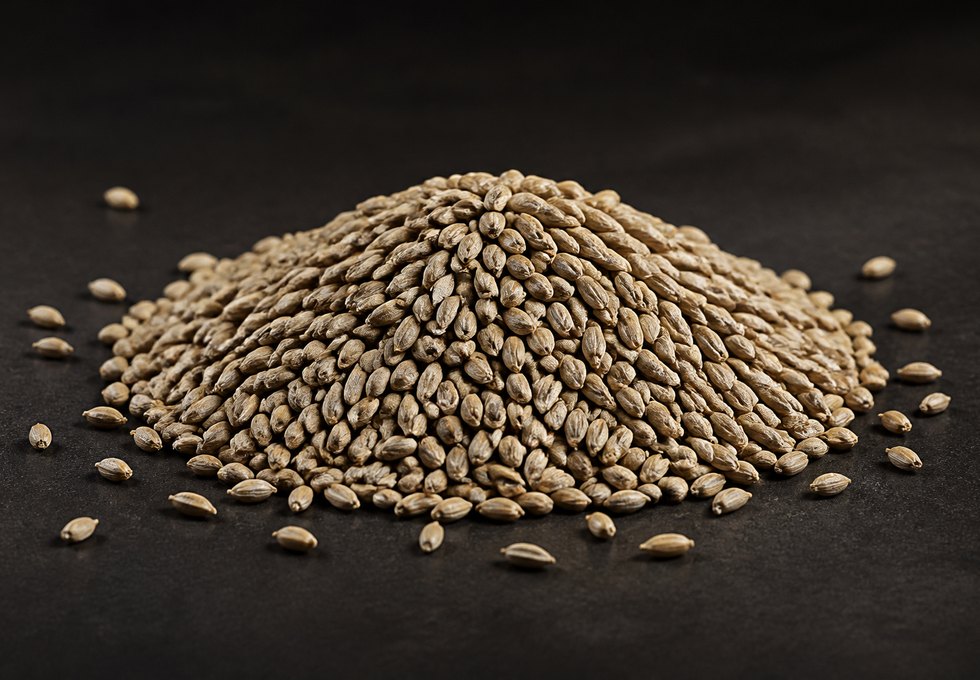
Performance is evaluated through absorption, viscosity, formula acidity, fermentation and enzyme activity. Extrapolating wheat gluten strength is not enough.
Rye raw material may require ergot and mycotoxin monitoring depending on origin, crop year and destination regulation.
KaizenGTC can organise comparison between flour type, COA, lot and end use to avoid generic offers that fail the buyer process.
| Element | Verification |
|---|---|
| Type / colour | Define light, medium, dark or wholemeal according to market and specification. |
| Ash | Use it as an extraction reading, not an isolated label. |
| Falling number | Check it where enzyme activity changes baking performance. |
| Ergot / mycotoxins | Evaluate from rye grain and destination requirements. |
| Gluten | Declare that rye is not gluten-free. |
Rye has a more specific chain than wheat or maize; flour is bought for baking functionality rather than generic cereal volume.
| Commercial reading | Prudent use | Source / period |
|---|---|---|
| Base rye | Raw material | FAOSTAT gives context by year and country; it does not define commercial flour types. |
| Rye bakery | Application | Purchases focus on colour, ash, particle size and enzyme activity. |
| Food destination | Safety | Ergot, mycotoxin and gluten controls are set by origin, contract and regulation. |
Sources: 21 CFR 101.91 — gluten-free labelling · Codex General Principles of Food Hygiene · FAOSTAT
Light, medium, dark or wholemeal with ash, colour and particle size.
Falling number, moisture, absorption behaviour and intended use.
Ergot, mycotoxins where applicable, microbiology, gluten and lot traceability.
Rye depends more on pentosans, enzymes and acidity than on a wheat-like gluten network.
It helps read amylase activity, which can affect viscosity, stickiness and loaf volume.
Not necessarily. Type should be supported by extraction, ash, particle size and destination market.
No. It contains gluten-related prolamins and is not suitable for gluten-free positioning.
Ergot, mycotoxins, moisture, physical contamination and lot condition should be reviewed by origin and destination.