
Class and use
Bread, durum, feed or equivalent wheat specification, including crop year and origin.
Wheat reviewed by class, end use and milling quality, not as a generic cereal.
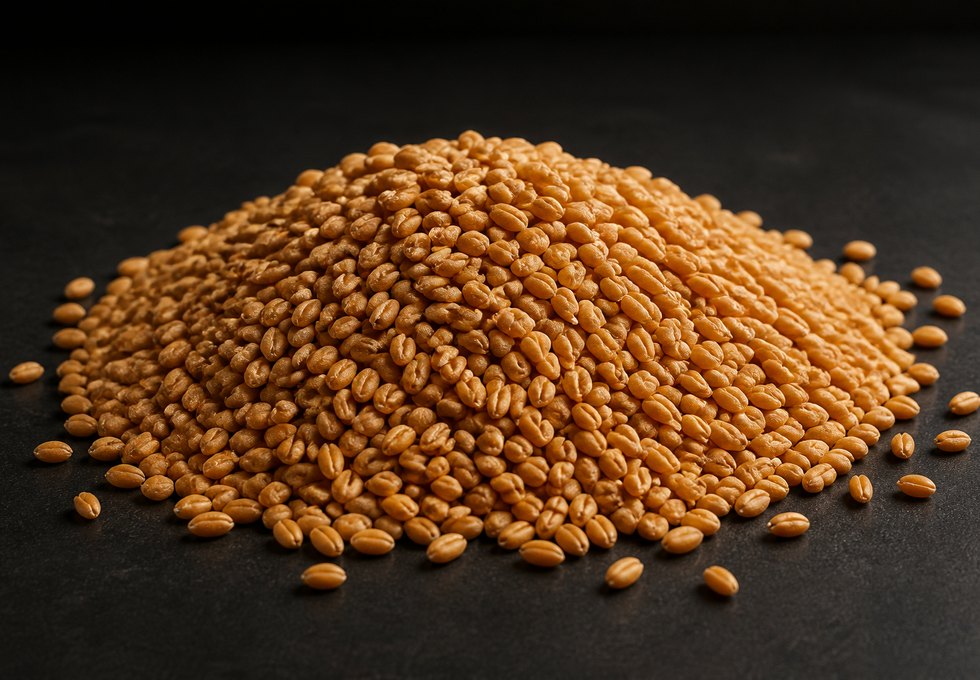
A wheat offer should state whether the lot is bread or common wheat, durum wheat for pasta, feed wheat or another commercial class. The technical reading changes when the destination is milling, baking, pasta or animal feed.
Protein, test weight, moisture, falling number, gluten characteristics and foreign material do not have the same meaning for a flour mill as for a feed buyer. The contract should connect class, crop year, origin, certificate and inspection to the same lot.
Mycotoxin, residue and contaminant limits depend on destination and food or feed use. They should not be inferred from a short trade description.
Identify variety, class, crop year and initial grain condition.
Remove foreign material and segregate lots that do not support the declared class.
Adjust moisture only when the lot requires it for storage or processing.
Confirm protein, test weight, falling number, damage, impurities and contaminants.
Align certificate, phytosanitary file, bill of lading and route with mill, pasta or feed use.
Milling wheat is read through industrial yield and dough behaviour. Protein and gluten characteristics help estimate baking suitability; falling number can reveal sprout damage and affect flour use.
Durum wheat requires a different reading: vitreous kernels, protein, colour and semolina or pasta suitability may matter more than a generic food-wheat description.
For feed, the priority may move toward moisture, mycotoxins, damaged kernels, impurities and logistics. A useful certificate states method, moisture basis and lot identity.
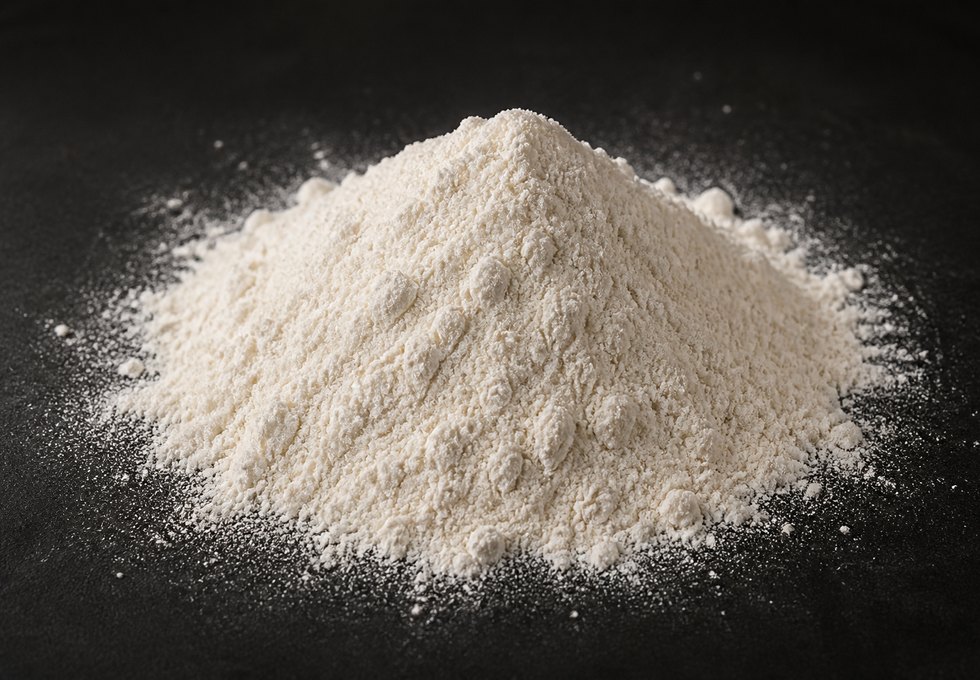
Logistics should protect class identity and grain condition. Moisture, insects, grade mixing, sprouting, odour and mycotoxins can turn milling wheat into a discounted or rejected lot.
Where destination rules set maximum residues, mycotoxins or contaminants, the valid reference is the applicable regulation and contract, not a single global threshold.
KaizenGTC acts as a trade intermediary and coordinates document review; acceptance depends on inspection, contract, real availability and destination requirements.
| Element | Verification |
|---|---|
| Class / type | Separates bread, durum, feed or equivalent class before price comparison. |
| Protein and gluten | Important for milling and baking; must be measured on the lot. |
| Falling number | Helps detect sprouting or enzyme activity that affects flour. |
| Test weight | Indicator of density and physical grain condition. |
| Mycotoxins / residues | Reviewed against contract and destination regulation. |
For wheat, producers, exporters, importers and consumers should be separated. USDA PSD 2025/26 provides balance context; FAOSTAT 2024 supports country production context.
| Market | Role | Context / period |
|---|---|---|
| Black Sea, European Union, North America and Australia | PRODUCTION / EXPORT | Relevant origins in 2025/26 balances, with class, protein and crop-year differences. |
| North Africa and Middle East | IMPORT / MILLING | Buying regions for food wheat; import position is not the same as largest consumption. |
| South Asia and large domestic markets | CONSUMPTION / FOOD SECURITY | Consumption should be read from balances, not from export rankings. |
Sources: USDA FAS Production, Supply and Distribution · USDA ERS wheat sector · USDA AMS grain standards · FAOSTAT crops and livestock products · Codex Alimentarius food standards
Bread, durum, feed or equivalent wheat specification, including crop year and origin.
Grade or inspection certificate, protein, moisture, test weight, falling number and contaminants where applicable.
Phytosanitary certificate, fumigation where applicable, origin certificate, packing record or bill of lading and lot traceability.
Milling wheat must support protein, condition, cleanliness and milling-performance requirements; feed wheat can be accepted under a different nutritional and availability logic.
Protein affects baking, milling and commercial value, but it should be read with class, gluten characteristics, moisture and buyer requirements.
It is an indicator used to assess enzyme activity or sprout damage that can affect flour quality.
No. Durum is associated with semolina and pasta and needs its own specification and quality reading.
When USDA PSD is used, the period should be stated as a campaign or marketing year, such as 2025/26.