
Process
Grain origin, cleaning, desaponification, drying and milling.
Pseudocereal flour validated by cleaning, desaponification, drying, milling and food documentation.
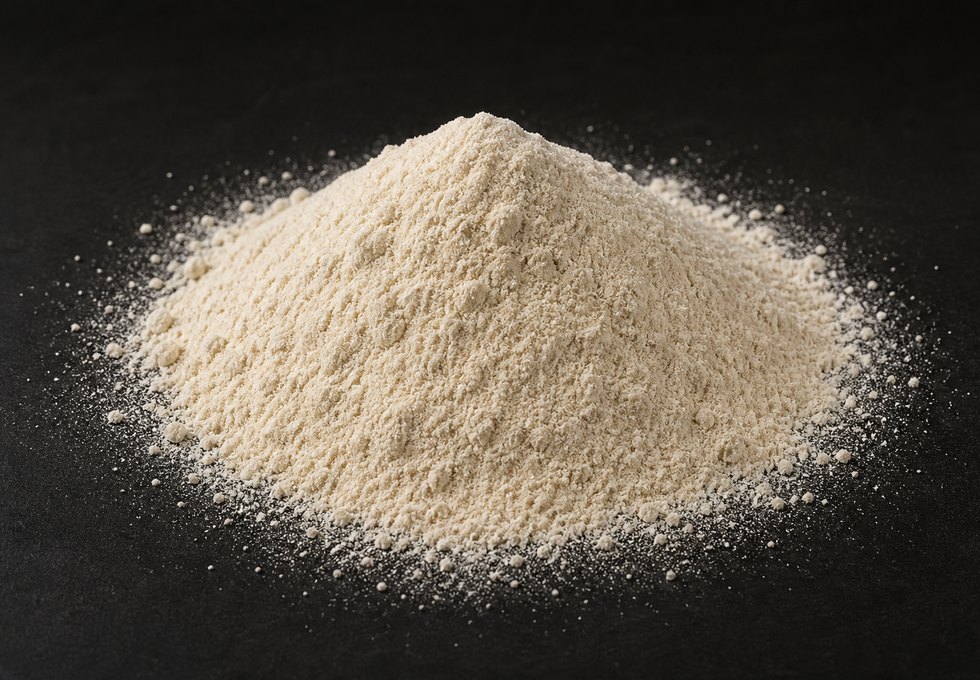
Quinoa flour comes from processed quinoa grain; technical control starts before milling, with cleaning and saponin reduction where required.
Quinoa is commercially handled as a pseudocereal. The flour should not be confused with whole grain or described with wheat botany.
The buyer needs to know whether washing, abrasion or another desaponification treatment was used, how the grain was dried and which final particle size is offered.
Dust, stones, foreign matter and out-of-condition grains are separated.
Washing, abrasion or another process reduces saponins according to raw material and destination.
The treated grain is stabilised before milling to avoid excess moisture.
The mill defines texture, temperature and particle profile for the intended application.
Sieving, colour, microbiology, lot and packing complete the specification.
Saponins can contribute bitterness or sensory rejection if the grain is not processed suitably. The lot documentation should describe the treatment when it matters.
Moisture, particle size, colour, protein, foreign matter and microbiology should support use in bakery, dry blends or specialty foods.
Gluten-free claims require cross-contact control and destination rule review; botanical identity and ingredient name are not enough.
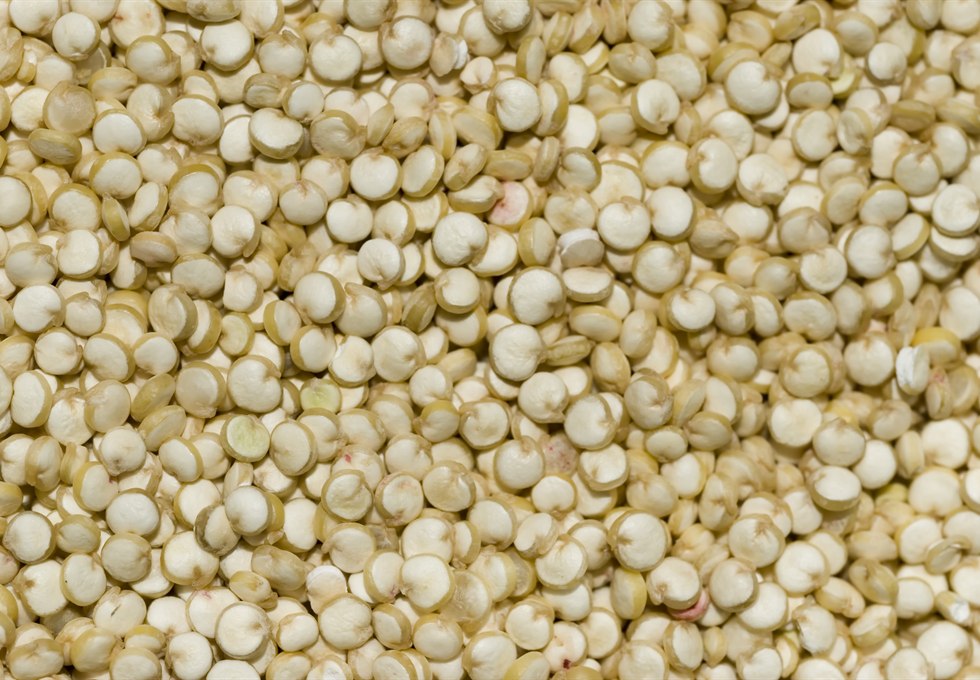
Fine quinoa flour, whole quinoa flour and a blend with other ingredients are not equivalent even when they share raw material. Contract wording should close composition and particle size.
Storage is dry, with protection from moisture, odour, pests and packaging damage. Prior grain treatment does not replace good handling practice.
KaizenGTC can compare the commercial file with destination use while preserving separation between quinoa flour, quinoa grain and other pseudocereals.
| Element | Verification |
|---|---|
| Desaponification | Confirm method or statement when relevant to flavour and acceptance. |
| Moisture | Review stability and microbiological risk in dry storage. |
| Particle size | Align particle profile with bakery, snacks, pasta or blends. |
| Colour and foreign matter | Check cleanliness, appearance and lot consistency. |
| Gluten-free claims | Verify cross-contact controls and applicable rule. |
Whole quinoa supply does not automatically equal flour ready for food manufacturing; processing and file discipline define the transaction.
| Commercial reading | Prudent use | Source / period |
|---|---|---|
| Quinoa | Raw material | Codex CXS 333-2019 gives an identity reference for quinoa, not a universal flour specification. |
| Specialty foods | Industrial use | Bakery and blends depend on saponins, particle size, colour and functionality. |
| Agricultural statistics | Context | FAOSTAT helps read crop production without creating flour rankings. |
Sources: Codex CXS 333-2019 Quinoa · Codex General Principles of Food Hygiene · FAOSTAT crops context
Grain origin, cleaning, desaponification, drying and milling.
Moisture, particle size, colour, protein, microbiology and foreign matter.
Intended application, shelf life, packing and cross-contact controls.
They can add bitterness and affect sensory acceptance; the method depends on raw material, process and destination.
No. Flour requires cleaning, possible desaponification, drying, milling, classification and packing.
It is commercially handled as a pseudocereal; it is not wheat or an ordinary cereal botanically.
Particle size, moisture, colour, protein, prior treatment and final blend determine performance.
COA, process, particle size, moisture, microbiology, shelf life, lot and cross-contact statement.