
Identity
Product name, species or commercial identity, origin and sale form.
Small-seed pseudocereal validated as grain or seed, not as flour unless a downstream application is named.
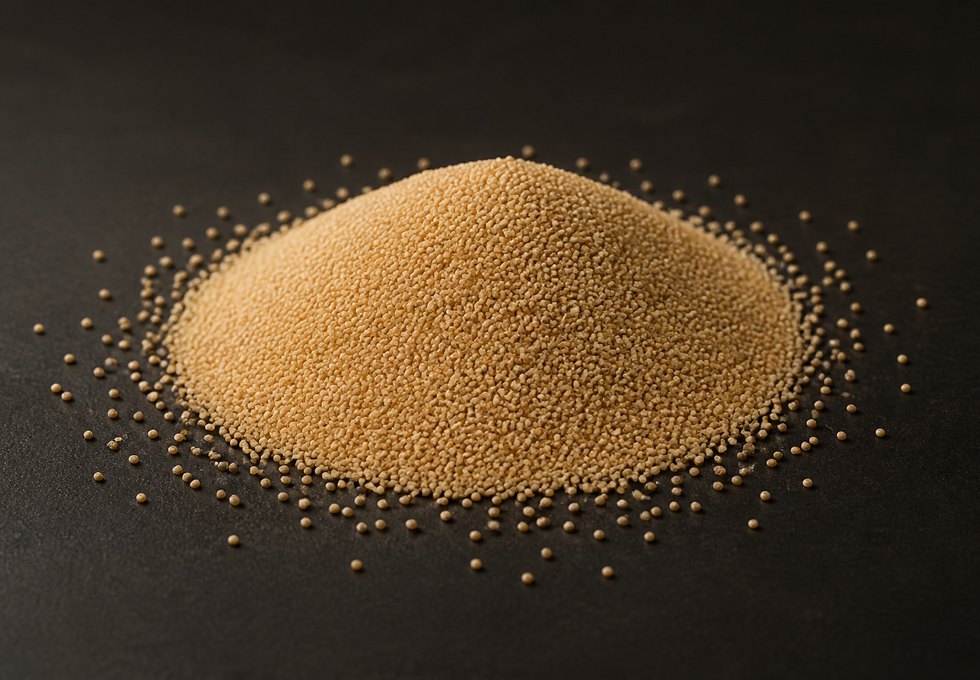
Amaranth is bought as a small pseudocereal grain or seed; flour, puffed amaranth and milled products are later uses that need separate naming.
An amaranth offer should describe origin, crop year, purity, moisture, foreign matter, grain condition and packing. There is no single world grade for every destination.
Comparison with quinoa or millet may help buyers, but each product needs its own image and specification.
Crop condition and harvest timing influence damage, impurities and moisture.
Dust, stones, stems, other seeds and foreign matter are removed.
Moisture is stabilised to reduce deterioration and infestation risk.
Screens and visual controls improve uniformity, purity and condition.
Clean bags or containers protect lot identity, traceability and shelf life.
Amaranth requires checks for moisture, purity, damaged grains, infestation, odour, foreign matter and microbiology. These points are more useful than a generic label.
When the destination is puffing, milling or blending, specification should consider uniformity, cleanliness and processing behaviour.
Quinoa, millet or wheat parameters should not be transferred without confirming that the contract and destination justify them.
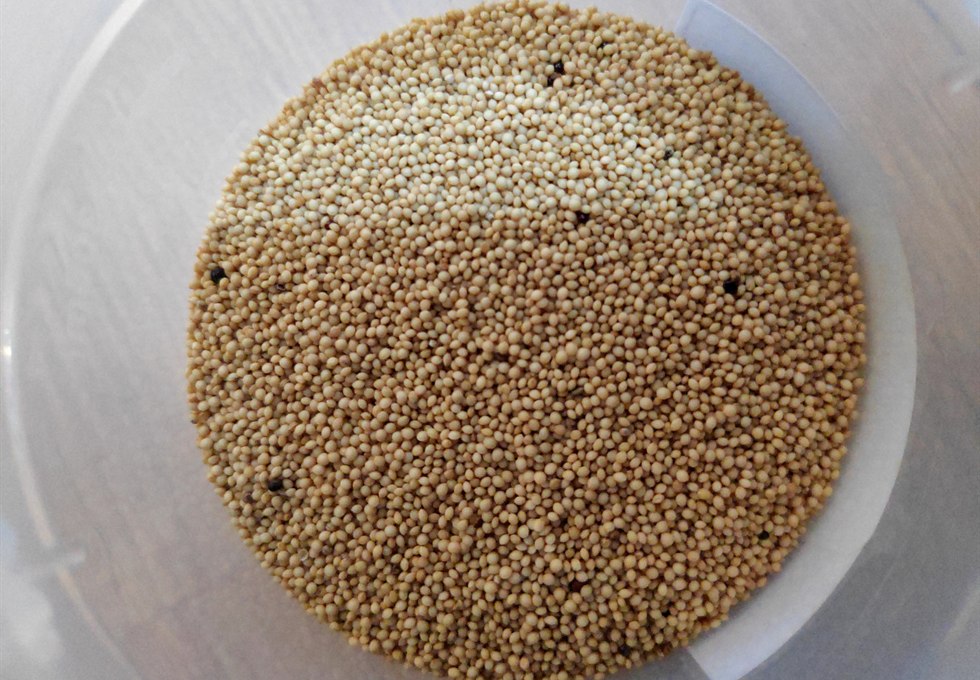
Amaranth may be sold as whole grain or enter puffing, milling and blending. Each route changes particle size, packing, inspection and application.
Logistics are those of a dry product: moisture, pests, odour, container cleanliness and lot segregation come first.
KaizenGTC keeps the commercial focus on grain and supports documentary comparison with the real destination, without automatically turning it into flour.
| Element | Verification |
|---|---|
| Moisture | Review grain stability and storage conditions. |
| Purity | Confirm foreign matter, other seeds and cleanliness. |
| Damage and infestation | Inspect condition, odour, insects and deterioration. |
| Destination | Separate whole grain, puffed product or later milling. |
| Documents | Origin, crop year, lot, packing, COA and shelf life. |
Amaranth may appear in aggregated statistics or food niches; real supply depends on origin, cleaning, lot and industrial destination.
| Commercial reading | Prudent use | Source / period |
|---|---|---|
| Crop production | Context | FAOSTAT can guide related crop context without replacing lot files. |
| Specialty foods | Demand | Cereals, snacks and ingredients use amaranth with their own specifications. |
| Trade | Classification | UN Comtrade requires caution when codes aggregate minor grains or seeds. |
Sources: Codex General Principles of Food Hygiene · FAOSTAT crops context · UN Comtrade Plus
Product name, species or commercial identity, origin and sale form.
Moisture, purity, foreign matter, damage, infestation and microbiology.
Use as grain, puffed product, milling or blend, with compatible packing.
It is commercially handled as a pseudocereal; it is not wheat and should not be confused with millet or quinoa.
No. Amaranth grain can be milled, but flour is a later product with its own specification.
Both are pseudocereals, but they differ in species, size, processing, uses and quality controls.
Moisture, purity, foreign matter, damage, infestation, odour, microbiology and documentation.
Origin, crop year, COA, moisture, purity, lot, packing, shelf life and intended destination.