
Identity
Product name, root source, process and distinction from starch.
Cassava or manioc root flour reviewed by process, drying, particle size, food safety and traceability.
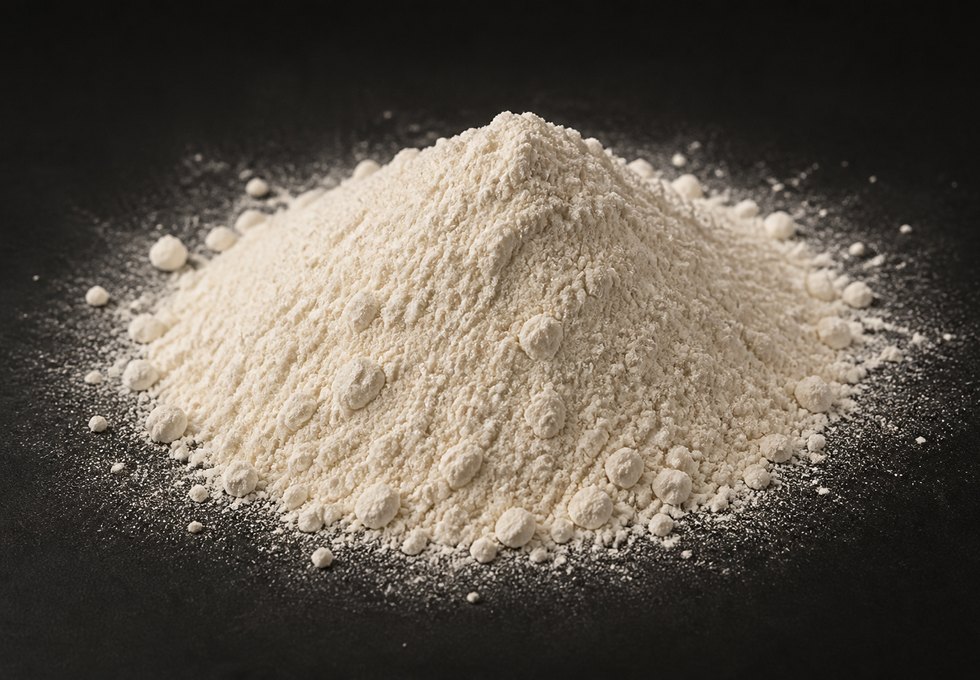
Cassava flour is made from processed root; cassava or tapioca starch is an isolated fraction with different functionality and specification.
A serious offer should state whether the product comes from peeled, washed, reduced, dried, milled and sieved root. Flour should not be used as a substitute label for starch.
Food safety depends on appropriate processing, low moisture, cleanliness and microbiological control. Codex references frame edible cassava flour without copying unverified limits.
Roots are received with checks for freshness, damage, soil and traceability.
Peel, soil and unsuitable material are removed before food processing.
Grating, chipping or wet reduction prepares the root for drying.
Moisture is reduced to a stable condition for milling and storage.
Particle size is classified and packed as flour, not isolated starch.
Moisture, fibre, ash, particle size, odour, colour, foreign matter and microbiology decide lot acceptance. None of these points is inferred from the term cassava flour.
Cyanogenic compounds in cassava are managed by appropriate processing and destination requirements. The review should avoid generic limits when the applicable source or edition has not been verified.
When use in gluten-free formulations is declared, cross-contact, labelling and destination-market rules also need review.
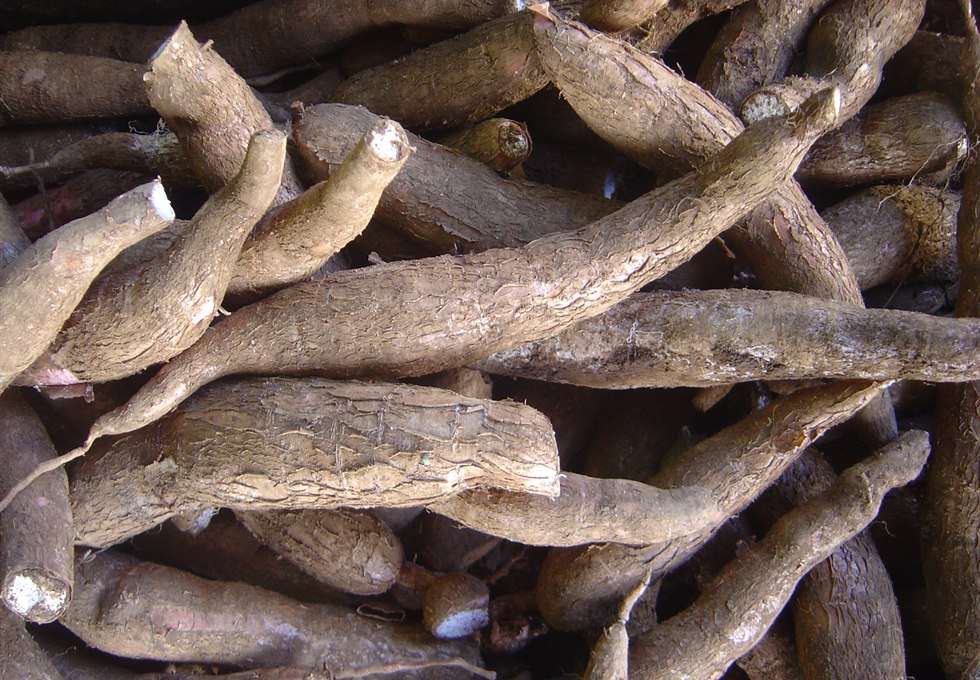
The contract should name edible cassava flour, form, particle size, moisture, destination and packing. If the buyer needs tapioca or starch, the specification must change.
Logistics are handled as a dry ingredient: clean bags or FIBC, moisture protection, pest control, odour protection and intact packaging.
KaizenGTC reviews documentary consistency between product name, process, certificate and destination, without replacing the laboratory or applicable rule.
| Element | Verification |
|---|---|
| Identity | Confirm root flour, not isolated starch or tapioca. |
| Moisture | Validate lot limit and stability in dry storage. |
| Particle size | Match particle profile to bakery, blends or traditional foods. |
| Process | Document peeling, washing, drying, milling and sieving. |
| Food safety | Review microbiology and cyanogenic-compound management when relevant. |
Root production guides raw-material availability, but exportable flour depends on drying, milling, food safety and access documentation.
| Commercial reading | Prudent use | Source / period |
|---|---|---|
| Cassava root | Raw material | FAOSTAT provides crop context without converting it into flour supply. |
| Edible flour | Technical reference | Codex CXS 176-1989 positions edible cassava flour identity. |
| Formulations | Prudent use | Bakery or blend applications should confirm particle size, moisture and cross-contact controls. |
Sources: Codex CXS 176-1989 Edible Cassava Flour · Codex General Principles of Food Hygiene · FAOSTAT cassava context
Product name, root source, process and distinction from starch.
Moisture, particle size, fibre, ash, microbiology, colour and foreign matter.
Lot, shelf life, packing, packing list, origin and moisture protection.
No. Flour comes from processed root; tapioca usually refers to isolated cassava starch.
Usually through root reception, peeling, washing, size reduction, drying, milling, sieving and packing.
It affects food safety, moisture, particle size, flavour, colour and management of compounds naturally present in the root.
It can be used in such formulations when the lot and plant support cross-contact controls and applicable labelling.
COA, process, moisture, particle size, microbiology, origin, shelf life and packing tied to the lot.