
Product sheet
Rice type, particle size, colour, moisture, damaged starch where applicable and intended use.
Rice flour specified by rice type, particle size, starch behaviour, colour and manufacturing controls.
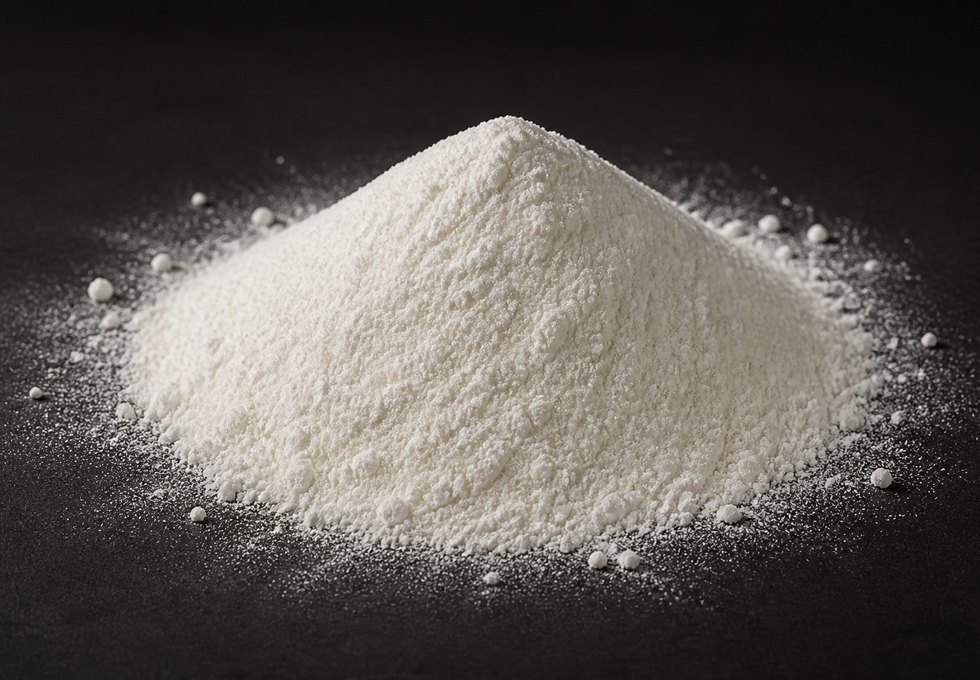
Rice flour may be milled from white, brown or glutinous rice; each form changes colour, fibre, starch behaviour and texture.
Glutinous rice does not mean the product contains wheat gluten. The term refers to the sticky texture of rice varieties with particular starch behaviour, not gluten proteins.
Buying should connect rice type, milling process, particle size, colour, microbiology and cross-contact control when the destination requires gluten-free claims.
Rice is checked for moisture, impurities, defective kernels and foreign material.
White, brown or glutinous rice is selected according to the product.
Grinding sets particle size and can affect damaged starch and absorption.
Sieves or air systems separate fine and coarse fractions for each application.
The product is protected from moisture, odours and contact with gluten cereals when claimed.
In batters, noodles and wheat-free baking, particle size and damaged starch affect viscosity, absorption and texture.
Brown rice flour retains more grain fractions and can have different colour, flavour and stability from white rice flour.
Health promises should be avoided. Gluten-free statements depend on plant controls, cleaning, segregation and documentation accepted in the destination.
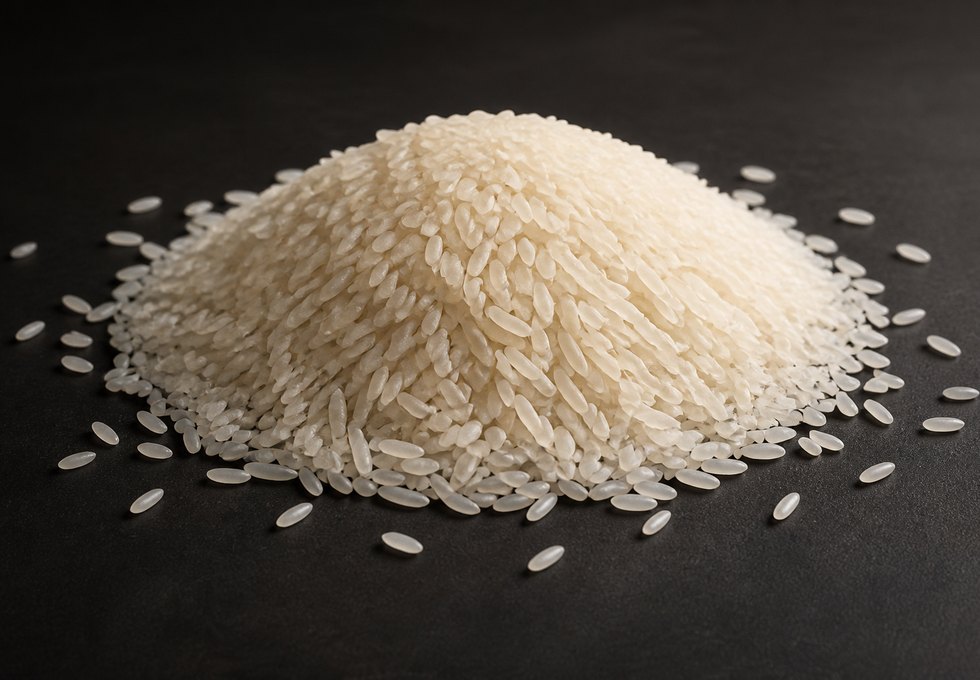
Noodles, doughs, batters, snacks and wheat-free formulations may need very different particle, absorption and gelatinisation profiles.
The file should state whether flour comes from white, brown or glutinous rice; omission can change cost, texture and plant acceptance.
KaizenGTC can review document consistency between offer, COA, packing and destination without independently certifying gluten-free status.
| Element | Verification |
|---|---|
| Rice type | Separate white, brown and glutinous rice according to formulation. |
| Particle size | Relate it to noodles, batters, baking or thickening. |
| Damaged starch | Check it when absorption and viscosity are critical. |
| Colour and flavour | Confirm whether destination accepts brown-rice profile or needs white flour. |
| Gluten-free | Document segregation and controls; do not assume from the name. |
Rice production gives availability context, but rice flour is a processed ingredient whose reading depends on milling, variety and food destination.
| Commercial reading | Prudent use | Source / period |
|---|---|---|
| Base rice | Raw material | FAOSTAT provides crop data by country and year for rice as raw material. |
| Wheat-free formulations | Ingredient demand | Gluten-free regulatory references address controls and claims, not flour prices. |
| Processed trade | Documentary reading | UN Comtrade can help only when the classification used represents the product sought. |
Sources: eCFR 21 CFR 101.91 gluten-free labelling · Codex General Principles of Food Hygiene · FAOSTAT
Rice type, particle size, colour, moisture, damaged starch where applicable and intended use.
Declaration, segregation, cleaning, testing and system scope when required by the buyer.
Microbiology, foreign material, lot, date, shelf life and food-grade packing.
Brown rice flour keeps more grain fractions and can change colour, flavour, fibre, stability and absorption.
It is flour from sticky rice varieties; glutinous describes texture, not wheat gluten.
It should not be claimed without controls. Rice does not contain wheat gluten, but the plant must manage cross-contact and documentation.
It can change absorption, viscosity and behaviour in noodles, batters and wheat-free baking.
Rice type, particle size, colour, moisture, microbiology, segregation and shelf life tied to the lot.