
Safety
Ergot declaration or inspection according to contract and destination.
Rye reviewed by baking use, grain condition and ergot risk.
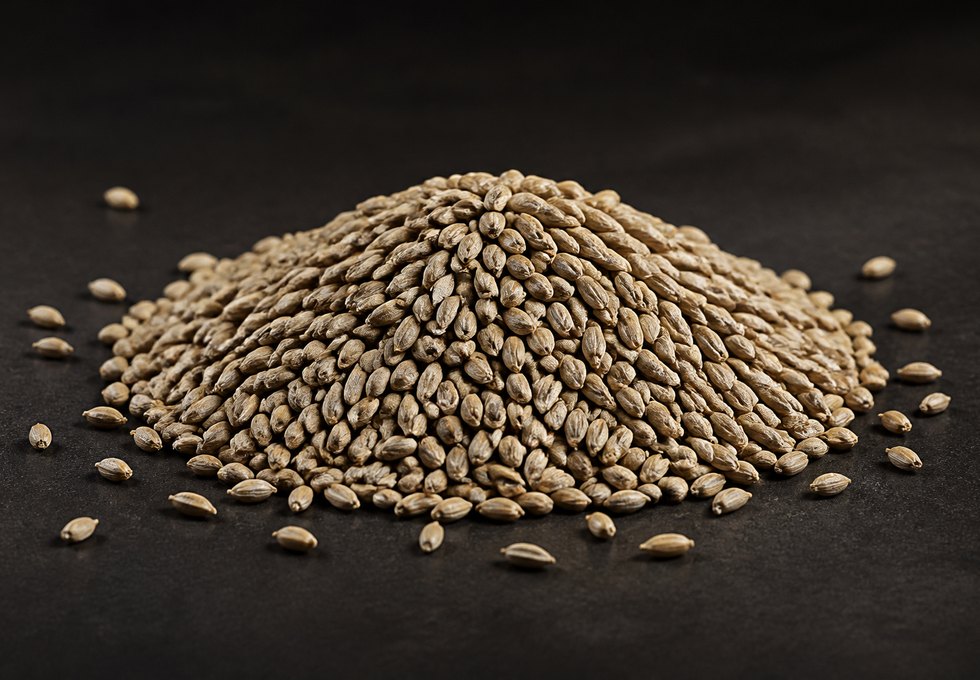
Rye may move into milling, baking, crispbread, distilling or feed, but acceptance depends on condition, test weight, moisture, cleanliness and ergot control.
It should not be bought as an automatic wheat substitute. Flour behaviour, flavour, colour and baking functionality are different.
Ergot is a central commercial risk: tolerance depends on regulation, contract and destination.
Separate milling, baking, distilling and feed.
Remove impurities, foreign kernels and suspicious material.
Confirm inspection method and applicable limit.
Measure moisture, test weight, damage and condition.
Align phytosanitary, origin, fumigation where applicable and lot documents.
Ergot control is not a generic note: it can affect food, feed and regulatory acceptance.
Test weight, moisture, foreign material, odour and damage help read condition and storage suitability.
For baking or distilling, the buyer may require additional end-use parameters that must be in the specification.
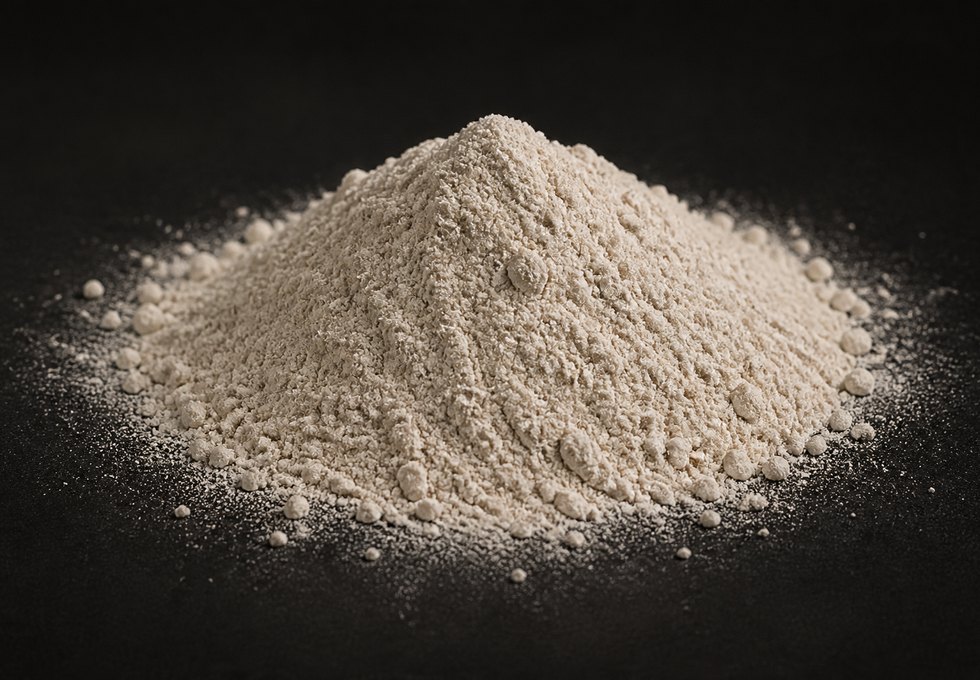
Rye with elevated moisture or impurity mixing can deteriorate, develop odour or attract insects. Destination segregation protects value.
Ergot or contaminant limits are not universal and should be checked against destination rules or the contract.
KaizenGTC facilitates transaction and document review; it does not certify food safety or guarantee mill acceptance.
| Element | Verification |
|---|---|
| Ergot | Specific risk that can affect food, feed and regulated destination. |
| Moisture | Basis for safe storage and transit stability. |
| Test weight | Reading of grain density and condition. |
| Foreign material | Affects cleanliness, milling and acceptance. |
| End use | Bakery, distilling and feed can require different parameters. |
FAOSTAT 2024 supports rye production context, especially in European and Eurasian systems. Demand combines regional baking, distilling and feed.
| Market | Role | Context / period |
|---|---|---|
| Europe and Eurasia | PRODUCTION | Relevant regions for origin and availability in FAOSTAT 2024 series. |
| Mills and regional baking | FOOD DEMAND | Buy on cleanliness, ergot control and flour suitability. |
| Distilling and feed | ALTERNATIVE USES | Routes that should not be confused with bakery quality. |
Sources: FAOSTAT crops and livestock products · Canadian Grain Commission Official Grain Grading Guide · USDA AMS grain standards · Codex Alimentarius food standards
Ergot declaration or inspection according to contract and destination.
Moisture, test weight, damage, impurities, odour and grade.
Phytosanitary certificate, origin, fumigation where applicable and shipping documents.
Because it can affect food safety, contractual acceptance and regulatory compliance in food or feed.
No. It can be baked, but its flour, flavour, colour and inspection risks are different.
When condition, price or specification point it to animal feed and destination limits are met.
Yes, in some chains; it requires grain specification and buyer requirements.
Quality and ergot inspection, plus moisture, origin, phytosanitary and lot traceability.