
Process
Dehulling, heat stabilisation, particle size, production date and shelf life.
Milled oat ingredient whose stability depends on dehulling, heat treatment, fat, particle size and segregation.
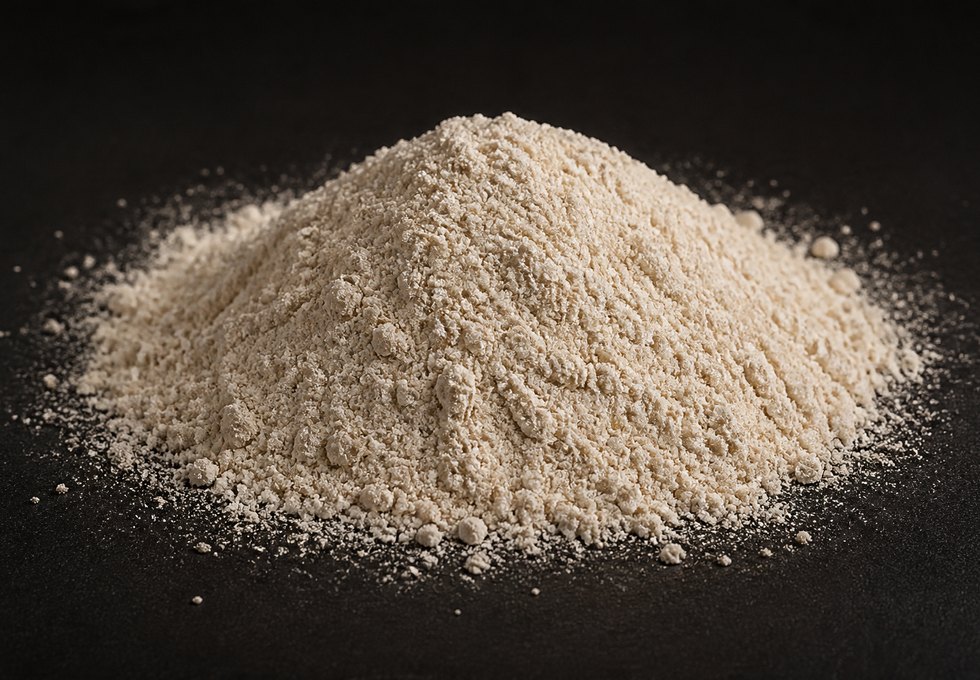
Oat flour is obtained by milling prepared oats; it is not equivalent to rolled flakes, whole groats or concentrated oat bran.
Oats contain more fat than many cereals and enzymes that can create rancidity if the raw material is not properly stabilised.
Buyers should ask for clarity on dehulling, heat treatment, particle size, beta-glucan if claimed, moisture, shelf life and contact management with wheat, rye or barley.
Impurities, other seeds and light material are separated.
The hull is removed to work with food-grade groats.
Heat treatment stabilises enzymes and reduces rancidity risk.
Stabilised groats are milled to the requested particle size.
Particle size, lot, oxygen, moisture and shelf life are controlled.
Oat fat contributes flavour and functionality, but it also requires control of oxidation, odour and storage time.
Beta-glucan may be a commercial attribute when measured and declared correctly; it should not become a medical claim.
Gluten-free claims require controlled oats and prevention of contact with wheat, barley and rye during harvest, transport, milling and packing.
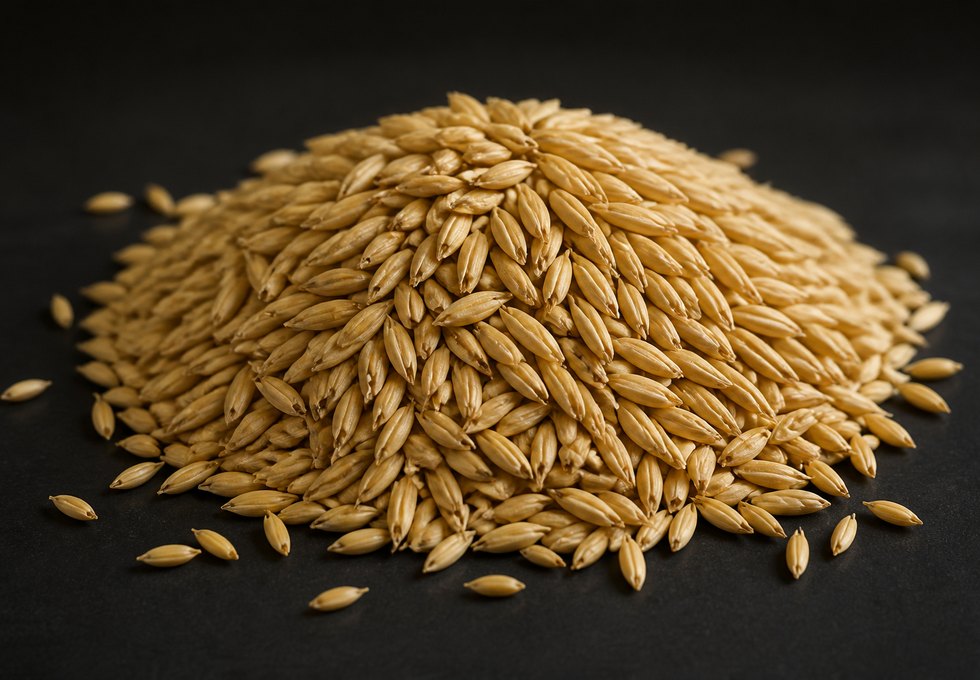
Oat flour should be stored dry, cool, protected from odours and under strict rotation; rancidity can reject a lot before other parameters fail.
The specification should separate fine flour, whole oat flour, beverage milling, bakery use and any measured fibre claim.
KaizenGTC can review whether documents, packing and logistics match the intended use and gluten statement when one is made.
| Element | Verification |
|---|---|
| Stabilisation | Confirm heat treatment or equivalent process where stability is critical. |
| Particle size | Relate it to bakery, beverage, cereal or dry mix use. |
| Fat / rancidity | Check odour, peroxide where applicable, shelf life and storage conditions. |
| Beta-glucan | Declare it only with method and documentary basis. |
| Gluten | Use segregated oat controls when gluten-free status is claimed. |
Oats are traded in several formats; flour requires a closer reading of stabilisation, particle size and gluten claims than basic grain.
| Commercial reading | Prudent use | Source / period |
|---|---|---|
| Oats as a crop | Raw material | FAOSTAT gives crop context by year and country without replacing processed-flour data. |
| Controlled oats | Claims | Food regulators address gluten and cross-contact management in oat products. |
| Breakfast and bakery ingredients | End use | Commercial value depends on stability, milling and documented shelf life. |
Sources: eCFR 21 CFR 101.91 gluten-free labelling · Codex General Principles of Food Hygiene · FAOSTAT
Dehulling, heat stabilisation, particle size, production date and shelf life.
Moisture, fat, microbiology, odour, beta-glucan if claimed and lot.
Segregation scope, cleaning and testing when sold with a gluten-free statement.
No. Flakes are rolled; flour is milled and specified by particle size, stability and application.
To reduce enzyme activity that can accelerate rancidity and flavour loss in fat-containing products.
It can be a fibre attribute when measured and documented; it should not be used as an unsupported medical claim.
Oats are distinct from wheat, rye and barley, but gluten-free status requires controlled sourcing and cross-contact management.
Moisture, oxygen, heat, odours, pests, poor packing and slow rotation can deteriorate the lot.