
Form
Raw oats, milling oats, feed oats, groats, flakes or flour.
Oats reviewed by groat quality, hull and product stability.
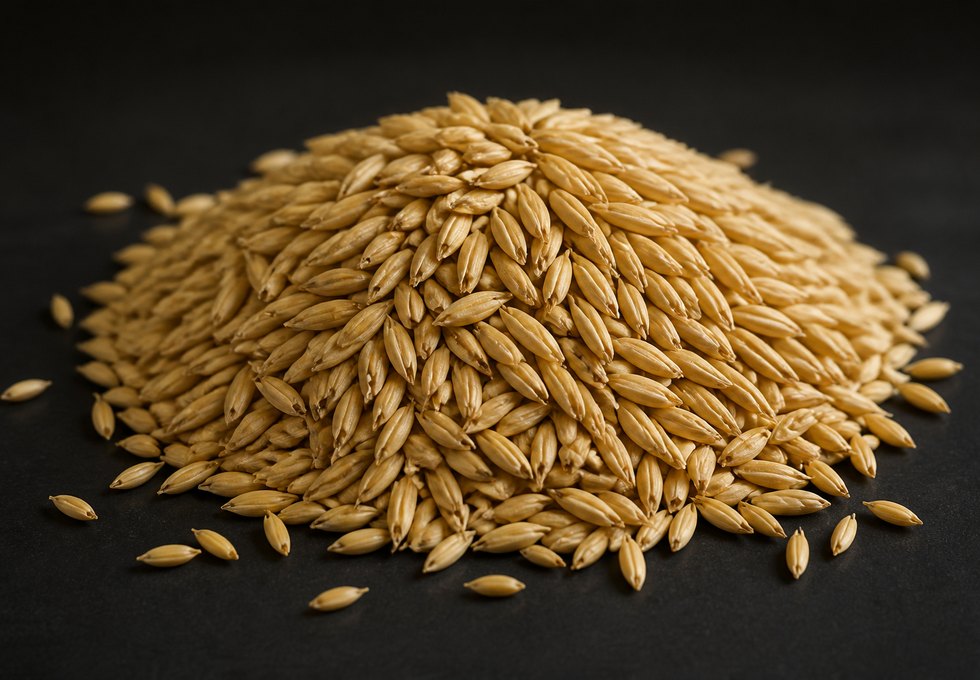
Oats are not just bulk grain. In food oats, value depends on groat quality, dehulling, heat stabilisation, moisture, odour and suitability for flakes, flour or ingredients.
Hull and groat yield distinguish raw oats, milling oats and feed oats. After dehulling, lipid activity can create rancidity risk if stabilisation is not adequate.
Beta-glucan should be mentioned only where the buyer, label or specification requires it and an analytical source supports the claim.
Separate impurities, foreign seed and light material.
Remove hull and evaluate groat yield and condition.
Inactivate enzymes to reduce rancidity risk in food oats.
Match final form to flakes, flour or ingredient use.
Control odour, moisture, traceability and food/feed route.
Test weight helps read density, but it does not replace groat yield, moisture, hull, damaged kernels or odour.
For food use, stabilisation after dehulling is key because oat lipids can affect shelf life.
Feed oats may accept different parameters but still require documented moisture, condition and safety.
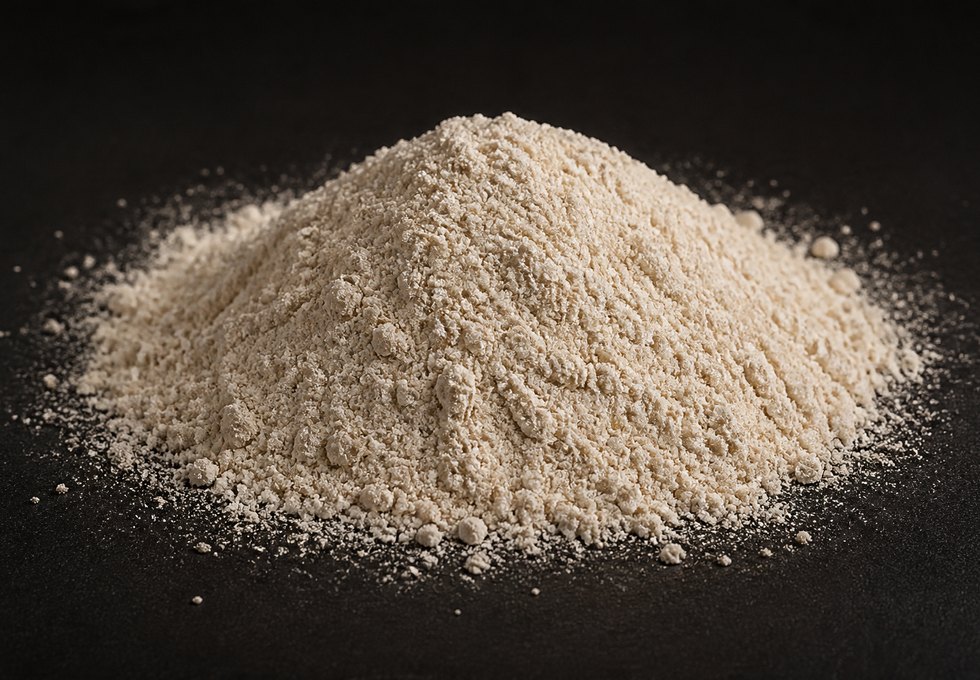
Processed oats are sensitive to rancidity, odour and moisture. Separating raw oats, groats, flakes and flour avoids mixing products with different risks.
Allergen, residue or contaminant requirements depend on facility and destination and should be supported by specific documentation.
KaizenGTC facilitates document review and commercial coordination; it does not process oats or certify nutritional content.
| Element | Verification |
|---|---|
| Groats | Dehulled kernel; condition decides flakes, flour and premium uses. |
| Hull | Affects yield, cleanliness and commercial form. |
| Stabilisation | Reduces enzyme activity and rancidity risk. |
| Test weight | Density indicator, not a substitute for food quality. |
| Beta-glucan | Relevant only when specification or label requires it. |
FAOSTAT 2024 and official grain sources support production context. Demand should be read through milling, ingredient and feed channels, not one global route.
| Market | Role | Context / period |
|---|---|---|
| Canada, European Union, Australia and temperate regions | PRODUCTION | Oat production context; food quality depends on process and buyer. |
| Mills and flake manufacturers | FOOD DEMAND | Require groats, stabilisation, odour control and traceability. |
| Regional feed | FEED DEMAND | May accept another specification but still requires moisture and safety controls. |
Sources: Canadian Grain Commission Official Grain Grading Guide · USDA AMS grain standards · FAOSTAT crops and livestock products · Codex Alimentarius food standards
Raw oats, milling oats, feed oats, groats, flakes or flour.
Dehulling, stabilisation/kilning, moisture, odour, test weight and condition.
Phytosanitary certificate, origin, residues/contaminants where applicable and food-grade statements.
Because lipid activity after dehulling can cause rancidity; food oats often require heat stabilisation.
They are dehulled oat kernels used as the base for flakes, flour and ingredients.
No. Food oats require tighter controls for cleanliness, odour, groats, stabilisation and food safety.
When the buyer or nutrition label requires it and analysis supports the claim.
Moisture, odour, insects and rancidity can affect acceptance, especially in processed products.