
Assay and sampling
Fe, silica, alumina, phosphorus, sulphur, moisture, LOI, sizing and sampling method.
Iron ore and metallics separated by form, chemistry, process and handling.
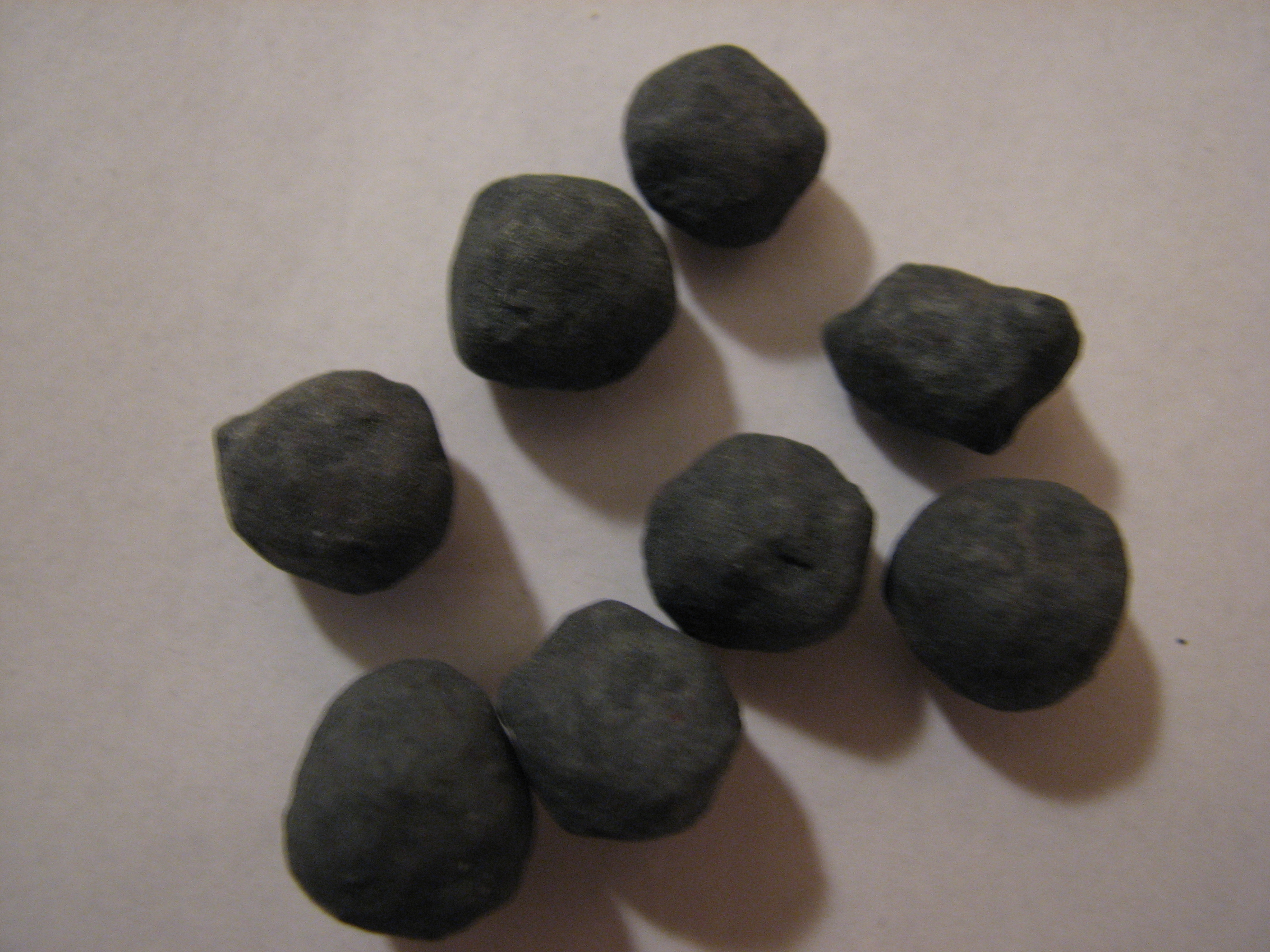
An “iron” offer must start with taxonomy: iron ore fines, lump, concentrate, pellet feed, pellets, DRI or HBI. Each form has different chemistry, use, logistics risk and documents.
Iron ore is reviewed by Fe, silica, alumina, phosphorus, sulphur, moisture, LOI, sizing and physical behaviour. DRI/HBI is read through metallic iron, metallisation, carbon, gangue, density, briquetting and reoxidation risk.
Semi-finished steel products do not automatically belong in this category. If pig iron, a semi-finished steel product or scrap appears, it must be treated as a different category with its own specification.
Ore extraction and initial segregation by pit, stockpile or quality.
Crushing, screening, concentration or washing depending on ore and destination.
Fines, lump, concentrate, pellet feed or pellets according to sizing and process.
Suitable pellets or lump can be converted into DRI in a reduction reactor.
DRI compacted into hot briquettes to improve density and logistics handling.
Iron ore fines and lump require Fe, silica, alumina, phosphorus, sulphur, moisture, LOI, sizing and sometimes degradation indices. Pellet feed and concentrate require fine specification and pelletising suitability.
Pellets are reviewed by Fe, basicity/additives where relevant, strength, reducibility and blast-furnace or direct-reduction behaviour. They should not be merged with ordinary fines in one quality table.
DRI and HBI belong to metallics: metallic iron, metallisation, carbon, gangue, density, briquette condition, passivation, reoxidation and transport safety matter as much as chemistry.
A buyer should request the exact form before comparing price. A fines cargo, a lump cargo, pellet feed and HBI do not compete on the same parameters.
End use also changes the reading: blast furnace, pellet plant, direct reduction and electric arc furnace routes can require different documents and tolerances.
| Form | Verification |
|---|---|
| Iron ore fines | Fine ore; check moisture, sizing, TML/IMSBC where applicable and chemistry. |
| Lump ore | Coarser material; evaluate sizing, degradation, Fe and impurities. |
| Concentrate / pellet feed | Beneficiated fine material; pelletising suitability and moisture are critical. |
| Pellets | Calibrated agglomerate; verify strength, reducibility and chemistry. |
| DRI / HBI | Metallics with metallisation, carbon, gangue, density and reoxidation handling. |
The market combines mine production, seaborne trade, steel demand and DRI/HBI routes. Production, exports, imports and steel consumption are not the same metric.
| Market | Role | Context |
|---|---|---|
| Australia and Brazil | EXPORT ORIGIN | Central references in seaborne iron ore trade. |
| China and Asian steelmaking | DEMAND / STEELMAKING | Ore demand connects to steel production and burden mix. |
| Middle East, India and DRI routes | METALLICS | DRI/HBI depends on pellets, gas/energy and electric arc furnace demand. |
Sources: USGS Iron Ore · World Steel Association · International Iron Metallics Association
Fe, silica, alumina, phosphorus, sulphur, moisture, LOI, sizing and sampling method.
Declaration of fines/lump/concentrate/pellet/DRI/HBI, TML or IMSBC requirements where applicable.
Stockpile, port, weight, bill of lading, inspection, origin certificate and end-user restrictions.
Fines are smaller particles requiring moisture and size control; lump is coarser material that may have different blast-furnace burden acceptance.
Fine concentrate prepared for pellet production; it does not behave like lump ore or finished pellets.
DRI/HBI are metallics made by direct reduction; they are reviewed by metallic iron, metallisation, carbon, gangue and reoxidation handling.
Silica, alumina, phosphorus, sulphur, moisture and LOI can affect yield, slag, cost and plant acceptance.
No. Semi-finished steel products require their own steel specifications and should be distinguished from iron ore, DRI and HBI.