
Exact form
Cathode, rod, scrap or concentrate completely changes the specification.
Primary or recycled copper reviewed by form, purity, grade, origin, inspection, scrap classification and logistics route.
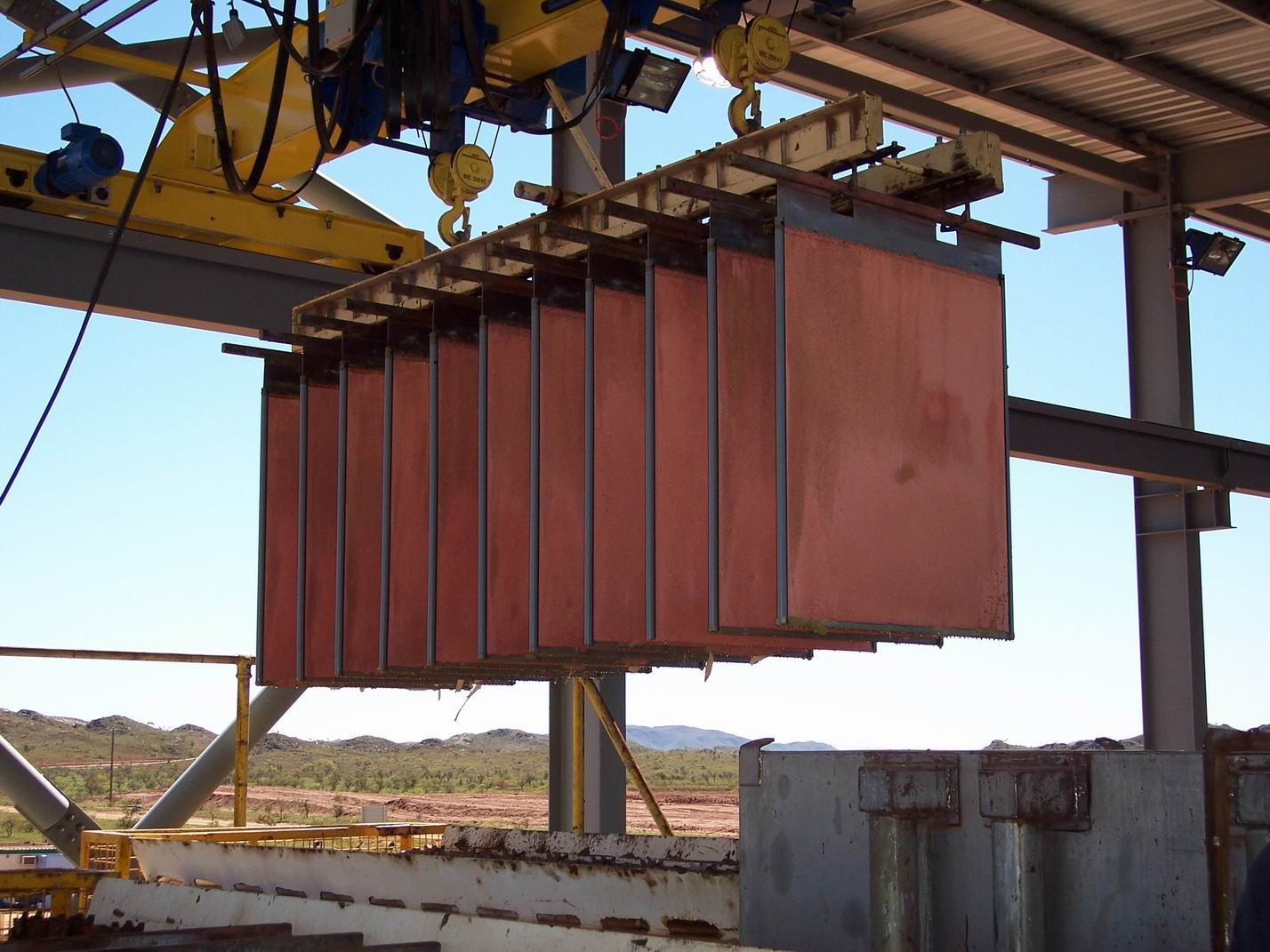
Copper can mean primary cathodes, wire rod, billets, cakes, anodes, concentrate or recyclable scrap. Each form has a different technical reading. A Grade A cathode is not reviewed the same way as Millberry, No.1 copper, No.2 copper or concentrate with moisture and penalties.
In B2B trade, the first task is to fix exact form, grade, reference standard, composition, packaging and delivery point. Using only the word copper invites incomparable offers and risks around contamination, mixing or incomplete documents.
Primary or recycled route clearly separated.
Smelting/electrorefining or scrap preparation.
Cathode, wire rod, concentrate or scrap class.
COA, inspection, moisture, cleanliness and grade.
Cable, alloy, foundry, manufacturing or refinery.
The primary route starts with ore, concentration, smelting, converting and electrolytic refining to produce high-purity cathodes. Those cathodes may be sold as final product or transformed into wire rod and other shapes for conductors, tubes, alloys or manufacturing.
The recycled route classifies material by cleanliness, insulation, alloying, tinning, oxidation, mixing and non-copper content. Names such as Bare Bright or Millberry describe bare, bright copper wire, while No.1 and No.2 allow different conditions and therefore different pricing.
Copper concentrate is another category: value depends on grade, moisture, impurities, treatment and refining charges, penalties, port and settlement terms. It should not be editorially blended with cathode or scrap.
| Element | Commercial reading |
|---|---|
| Copper cathode | Refined high-purity product; review brand, lot, standard and deliverability. |
| Wire rod | Transformed form for electrical applications; needs diameter, conductivity and surface checks. |
| Millberry / Bare Bright | Bare clean uncoated wire scrap; sensitive to mixing and oxidation. |
| No.1 / No.2 scrap | Recyclable classifications with different tolerances; visual and document inspection is essential. |
| Copper concentrate | Mineral material with grade, moisture, impurities and charges; not traded as cathode. |
For cathodes, review focuses on purity, brand, standard, dimensions, bundle weight, surface, packaging, lot and warehouse or producer documents. LME Grade A and Cu-CATH-1 point to high-quality refined material, but the evidence must be specific.
For scrap, physical inspection carries more weight: cleanliness, absence of insulation, mixing with brass or aluminium, oxidation, moisture, oils, size and prior handling. Selective photographs do not replace lot inspection, sampling or origin verification.
Copper goes into cables, motors, transformers, electronics, tube, alloys, construction and manufacturing. End use determines whether the buyer needs cathode, wire rod, granules, clean scrap or concentrate for smelting.
Logistics should control weight, moisture, packaging, marks, seals, radiation checks where applicable, pre-shipment inspection, scrap export permits, certificate of origin, invoice, packing list and consistency with customs codes.
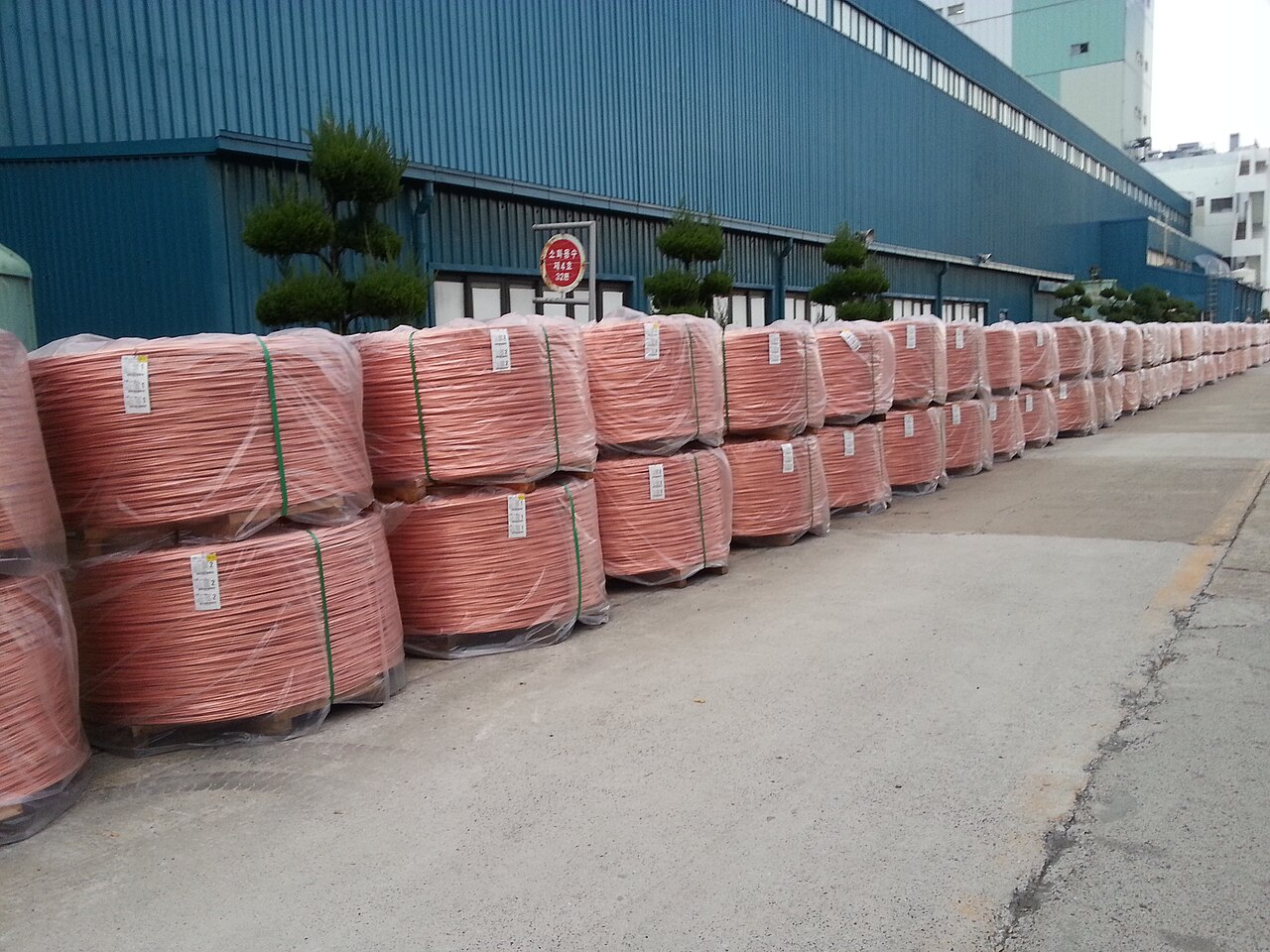
Copper must be opened into separate commercial forms. Primary copper may arrive as refined cathode, semi-finished product or feedstock for transformation. Recycled copper is classified by cleanliness, composition and physical condition. Concentrate is mineral material settled by grade, moisture, charges and penalties.
An LME Grade A or Cu-CATH-1 cathode points to high-purity refined copper. Review should examine brand, lot, dimensions, surface, bundle, weight and certificate. ASTM B115 or EN 1978 may appear as references, but they must correspond to the real material rather than decorative wording.
Wire rod is a semi-finished product. It is made from cathode or refined copper for electrical and industrial applications. Its reading includes diameter, surface, conductivity, elongation, packaging and production continuity. It should not be presented editorially as scrap or as cathode.
Millberry Copper is a frequent commercial expression for clean, bright wire copper. Bare Bright describes a scrap-quality context: bare wire, no visible coating and high cleanliness. Market terminology may not match formal specifications exactly; contract and inspection decide classification.
No.1 Copper and No.2 Copper are not interchangeable grades. No.1 generally implies cleaner material and higher recovery; No.2 accepts lower condition, oxidation, attachments or contamination within agreed limits. Selective photos are not enough: lot, segregation, moisture and mixing with other metals must be reviewed.
Copper concentrate is a different economy. It is traded by copper grade, moisture, impurities, treatment and refining charges, penalties, port and settlement terms. Comparing it with cathodes ready for transport creates a serious technical distortion.
The page should make clear that each form has its own document route. Cathode needs COA and brand; wire rod needs product and packing data; scrap needs physical inspection and classification; concentrate needs mineral analysis and metallurgical terms.
Cu-CATH-1 cathode, wire rod, Millberry, Bare Bright, No.1, No.2 and concentrate require different evidence chains because assay, discount, logistics and acceptance all change. Packaging, bundle condition, contamination checks and settlement basis should follow the form, not a generic copper label. Exchange-grade material also needs brand, warrant or warehouse evidence where the transaction relies on that status.
| Element | Verification |
|---|---|
| Copper Cathode Grade A | Refined copper; focus on purity, brand, lot and deliverability. |
| Wire Rod | Semi-finished product for electrical uses; verify diameter, conductivity and surface. |
| Millberry / Bare Bright | Clean wire scrap; check cleanliness, coating and contractual classification. |
| No.1 Copper | Higher relative scrap class; inspect mixing and physical condition. |
| No.2 Copper | Scrap with lower tolerances; price contamination and penalties. |
| Copper Concentrate | Mineral material; review grade, moisture, impurities and charges. |
Cathode, rod, scrap or concentrate completely changes the specification.
LME Grade A, Cu-CATH-1, ASTM B115 or ISRI must match the actual material.
Photos, sampling, weighing, moisture and segregation prevent comparing unlike lots.
KaizenGTC can turn a generic copper request into a technical file by form, grade, standard and logistics route, and can flag inconsistencies between photos, certificates and commercial classification.
This page does not claim stock, brand, producer, origin, LME deliverability, volume or price. Each operation requires documents and human review.
High-purity refined copper produced by electrorefining or electrowinning.
A market/delivery reference for refined copper that must be verified with brand, lot and applicable rules.
A European technical designation for high-purity copper cathodes.
A commercial term used for clean bright copper wire; contract and inspection define classification.
They may overlap in market use, but should not be treated as identical without the applicable specification.
A higher relative scrap category than No.2, subject to cleanliness and composition criteria.
Scrap with more permitted condition issues or contamination, normally lower in relative value.
No. Concentrate is mineral material settled by grade and charges; cathode is refined copper.