
Assay and sampling
Chemical certificate, wet/dry basis, sampling method, laboratory and stockpile or lot traceability.
Aluminium-bearing ore reviewed as alumina feedstock, not as refined metal.
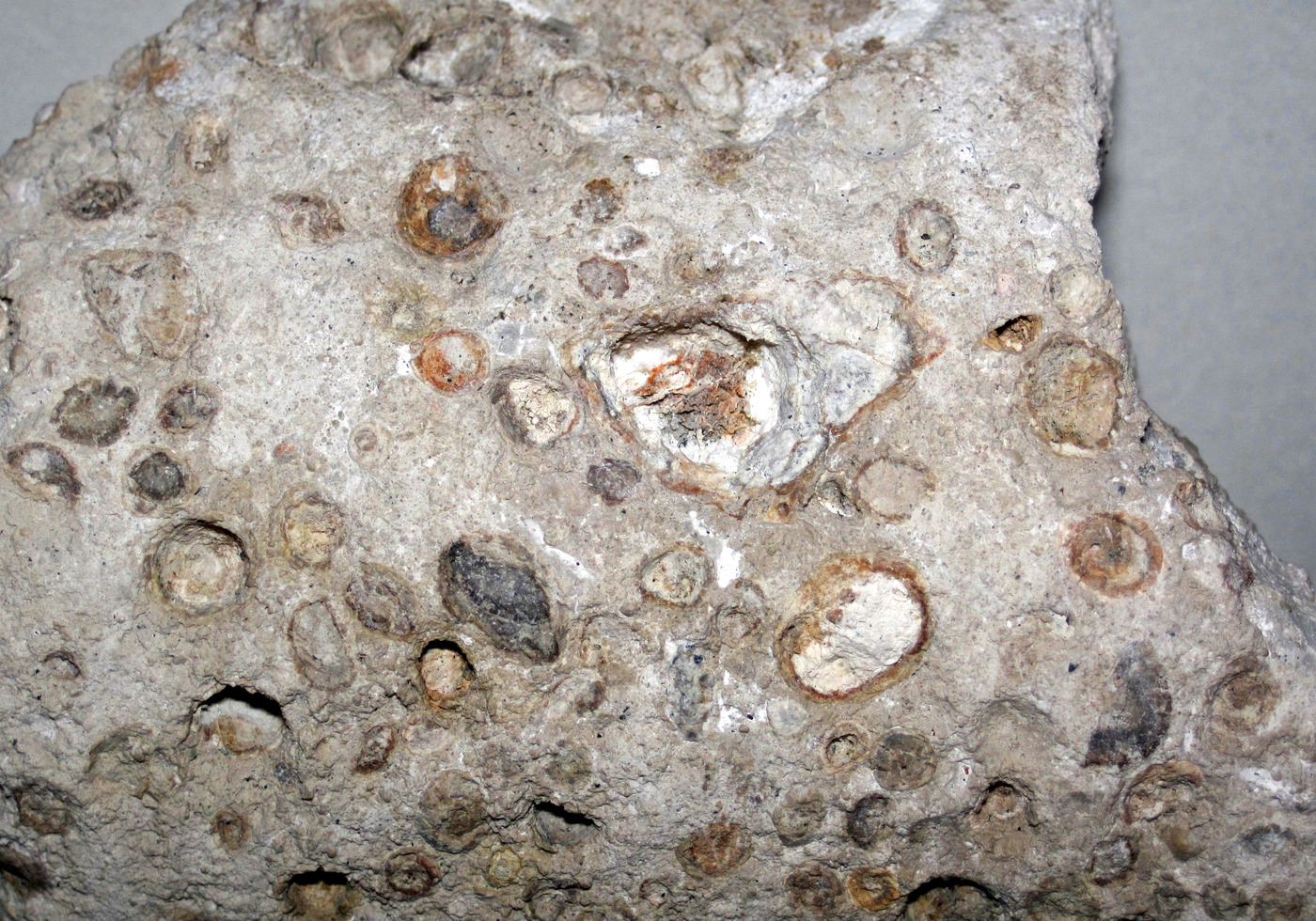
Bauxite is a heterogeneous aluminium ore composed primarily of one or more aluminium hydroxide minerals together with silica, iron oxides, titania and other impurities. Deposits occur in different geological settings, including lateritic and karst types.
Value comes from how the ore behaves in beneficiation, transport and the Bayer process. The relationship between recoverable alumina and reactive silica can affect yield, caustic soda consumption, residue and refining cost.
Metallurgical-grade bauxite and non-metallurgical bauxite are not automatically interchangeable. The specification should state intended use, sampling method, moisture basis and analytical parameters for the lot.
Bauxite mining and segregation by pit face, deposit, stockpile or quality.
Crushing, screening and washing or beneficiation where the deposit requires it.
Chemical/mineralogical analysis, moisture and size distribution.
Stockpiling, moisture control, weighing and dry-bulk loading.
Receipt for the Bayer process or a contracted non-metallurgical use.
Technical review starts with Al2O3 or available alumina, reactive silica, total silica, iron oxides, moisture, loss on ignition and particle size. Limits are contractual and depend on mineralogy, refinery and process.
Reactive silica needs separate attention because it can consume reagents and affect Bayer-process yield. Total silica alone does not replace mineralogical review when the contract requires that precision.
Moisture changes payable weight, handling, caking risk and logistics efficiency. Documents should state wet/dry basis, sampling method and laboratory.
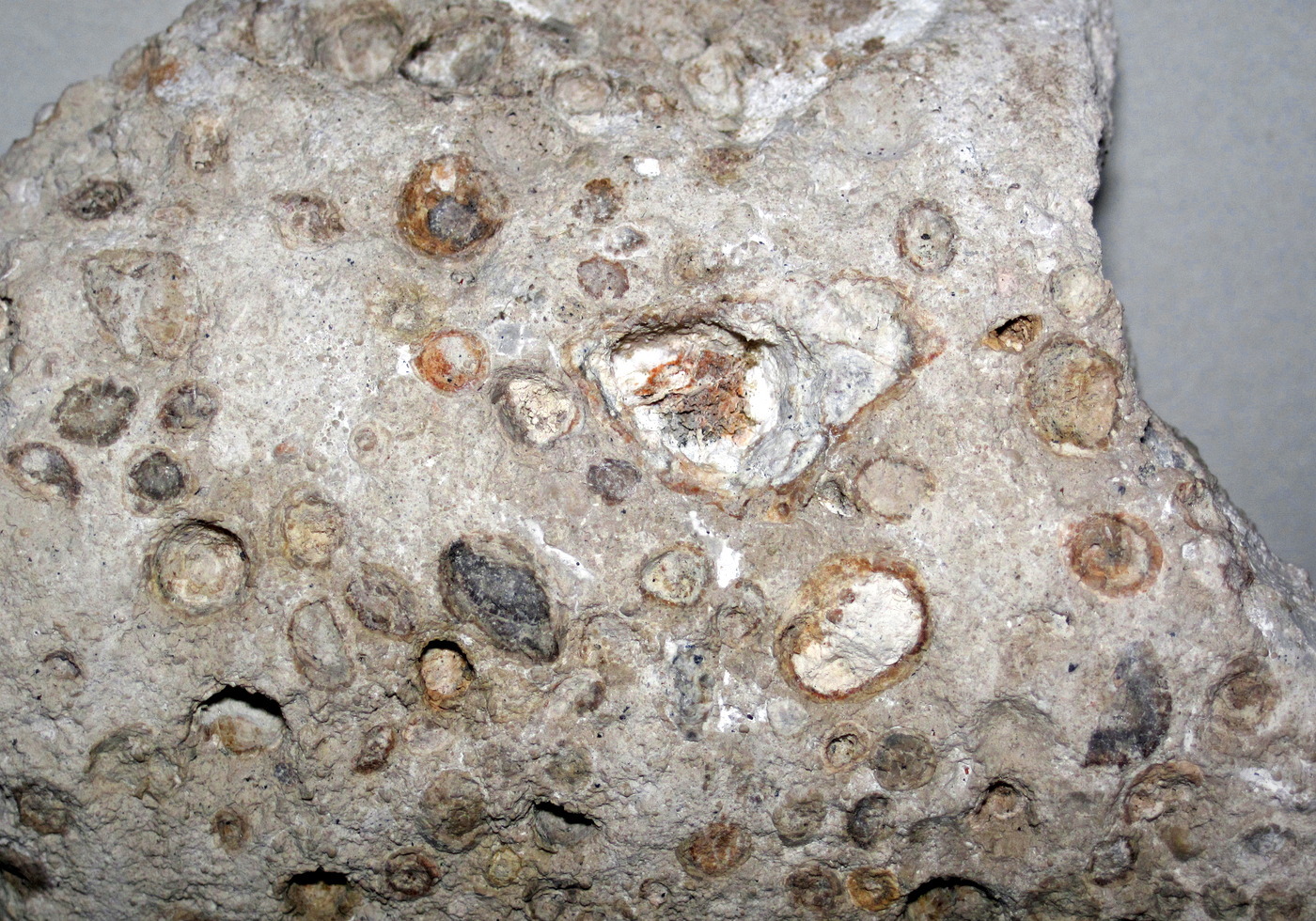
Bauxite is normally traded as bulk ore, not as a finished metal unit. It may be run-of-mine, crushed, washed, beneficiated or selected for a specific industrial use.
Buyers should avoid importing Aluminium A7 language into this category. Aluminium A7 is refined primary aluminium; bauxite is upstream feedstock that still requires transformation.
| Form | Verification |
|---|---|
| Metallurgical bauxite | Feedstock for alumina refineries; check available alumina, reactive silica and moisture. |
| Washed/beneficiated bauxite | Processed material intended to reduce fines or impurities depending on deposit. |
| Non-metallurgical bauxite | Refractory, cement or chemical use only when specification supports that route. |
| Alumina | Intermediate chemical product; not the same product as bauxite. |
| Aluminium A7 | Refined primary metal and a different commercial category and specification. |
The market is clearer when mine production, alumina refining capacity and seaborne routes are separated. Exact figures change by year; B2B review should use current sources and lot documents.
| Market | Role | Context |
|---|---|---|
| Guinea, Australia, Brazil and Indonesia | MINING ORIGIN | Relevant regions in official bauxite/alumina statistics. |
| China and alumina refineries | DEMAND / PROCESS | Feedstock demand depends on refining capacity and acceptable chemistry. |
| Atlantic, Indian Ocean and Asia-Pacific routes | BULK ROUTE | Stockpiles, ports and bulk carriers shape moisture, sampling and delivery. |
Sources: USGS Bauxite and Alumina · Australian Aluminium Council · International Aluminium Institute
Chemical certificate, wet/dry basis, sampling method, laboratory and stockpile or lot traceability.
Moisture, sizing, fines, impurities and any beneficiation or washing requirement.
Sales contract, weighing, origin certificate, port documents, bill of lading, inspection and moisture control.
Available alumina, reactive silica, total silica, moisture, impurities, sizing and mineralogy. There is no universal limit valid for every refinery.
It can consume caustic soda and reduce efficiency in the Bayer process, so it is reviewed separately from total silica when required by contract.
Bauxite is mined ore; alumina is a refined intermediate product, usually produced by the Bayer process before aluminium smelting.
No. It is traded as bulk ore/feedstock, with mineral quality, moisture, sizing and bulk logistics. It is not Aluminium A7.
Assay, sampling protocol, moisture, sizing, origin, weight, port documents, inspection and a contract with a clearly defined quality basis.