
Metal COA
At minimum, aluminium, Fe, Si and residuals tied to lot and producer.
Primary aluminium in ingots, t-bars or other trade forms, reviewed by purity, Fe/Si impurities, brand, shape and lot evidence.
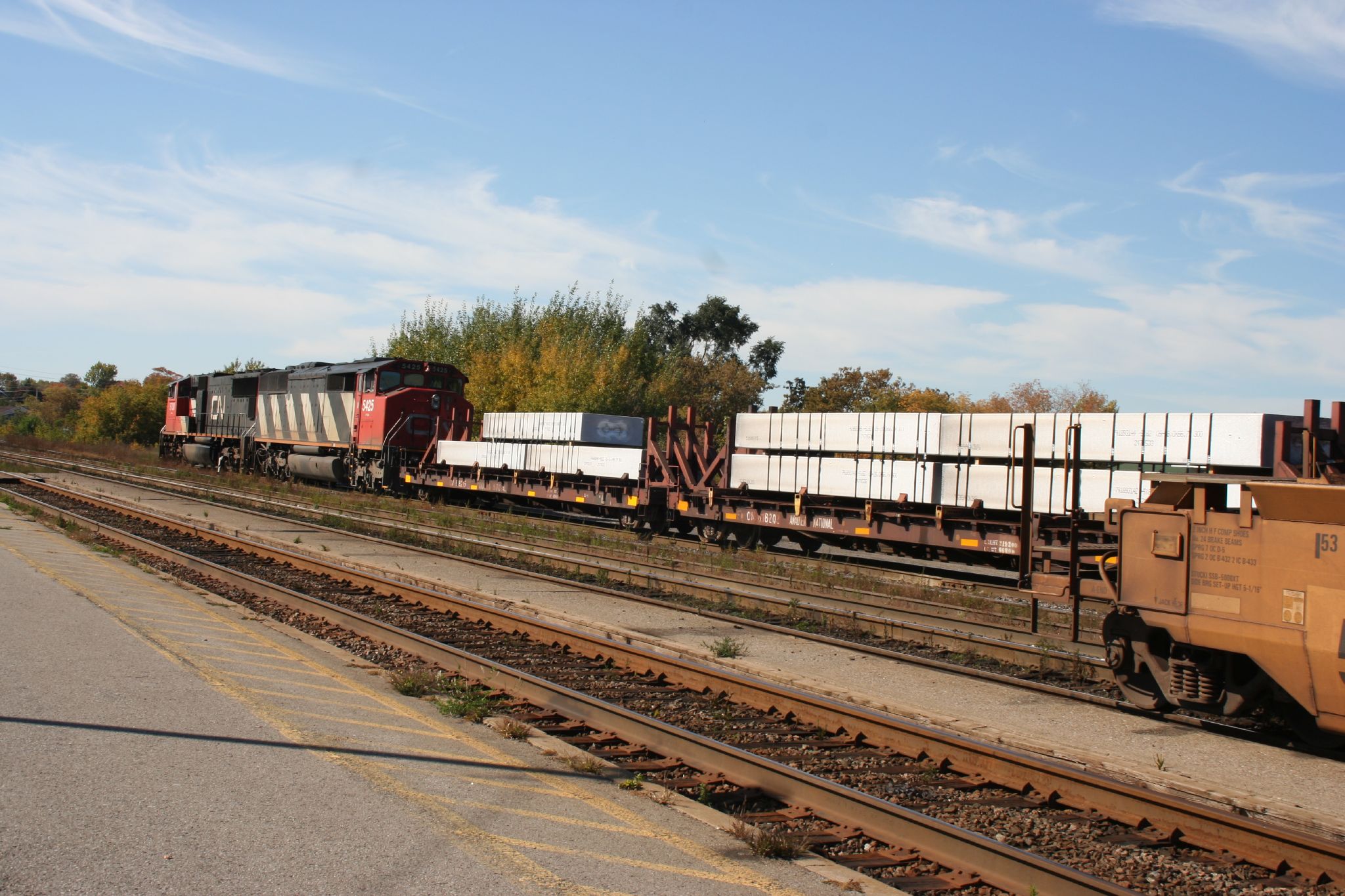
Aluminium A7 is used in trade to describe high-purity primary aluminium, commonly around 99.7% minimum aluminium. The term can appear beside references such as P1020A, P1020, A7 or high grade primary aluminium, but real acceptance depends on specification, brand, shape, relevant exchange context and impurity limits.
A buyer should not read A7 as a universal guarantee. Iron and silicon are often the elements that most affect suitability for foundry, extrusion, alloying, cable or industrial uses. Sodium, calcium, titanium, vanadium and other residuals also matter when the contract limits them.
Ore base for alumina production.
Refining before electrolysis.
Hall-Héroult route to primary metal.
Ingots, sows, t-bars or other forms.
Lot chemistry, Fe, Si and residuals.
The primary chain starts with bauxite, moves through refining into alumina and continues with Hall-Héroult electrolysis. Liquid aluminium is cast into ingots, sows, t-bars or other forms with brand, lot and weight identification.
Physical form changes logistics. Small ingots support distribution and flexible remelting, while t-bars and sows reduce handling in larger-consuming plants. Packages, straps, visible marks, bundle weights and warehouse documents should all reconcile.
When LME is mentioned, the review should separate market-price reference, approved brand, warehouse, warrant and actual delivery. A price reference does not prove that material is exchange deliverable or located in an approved warehouse.
| Element | Commercial reading |
|---|---|
| A7 / 99.7% | Frequent trade shorthand for primary aluminium; needs Fe, Si and residual-element limits. |
| P1020A | High grade primary aluminium reference used in LME and industry context; exact contract controls. |
| P1015 | May indicate higher purity or different limits; requires the producer technical sheet. |
| P0610 | A stricter impurity reference for selected uses; should not be assumed equal to A7. |
| P1012 | REQUIRES TECHNICAL REVIEW: do not accept as a sufficient grade without standard, composition and verifiable origin. |
Technical review should compare the certificate with the agreed specification. Minimum aluminium, Fe, Si, Cu, Zn, Ga, Mn, Mg, Ti, V, Na and other residuals can change industrial use even when the trading headline says 99.7%.
Producer brand, heat or lot number, physical format, bundle mass and warehouse traceability are part of commercial quality. A photo of ingots is not enough to prove that a lot meets P1020A or A7.
Primary aluminium feeds alloying plants, extrusion, rolling, foundry, cable and industrial components. Selection depends on composition and form: a plant seeking a specific chemistry balance may reject metal suitable for another application.
Logistics require protection from physical damage, excessive moisture, contamination with other metals, weight documents, packing list, quality certificate, certificate of origin, warrant where applicable and consistency among bundles, marks and documents.
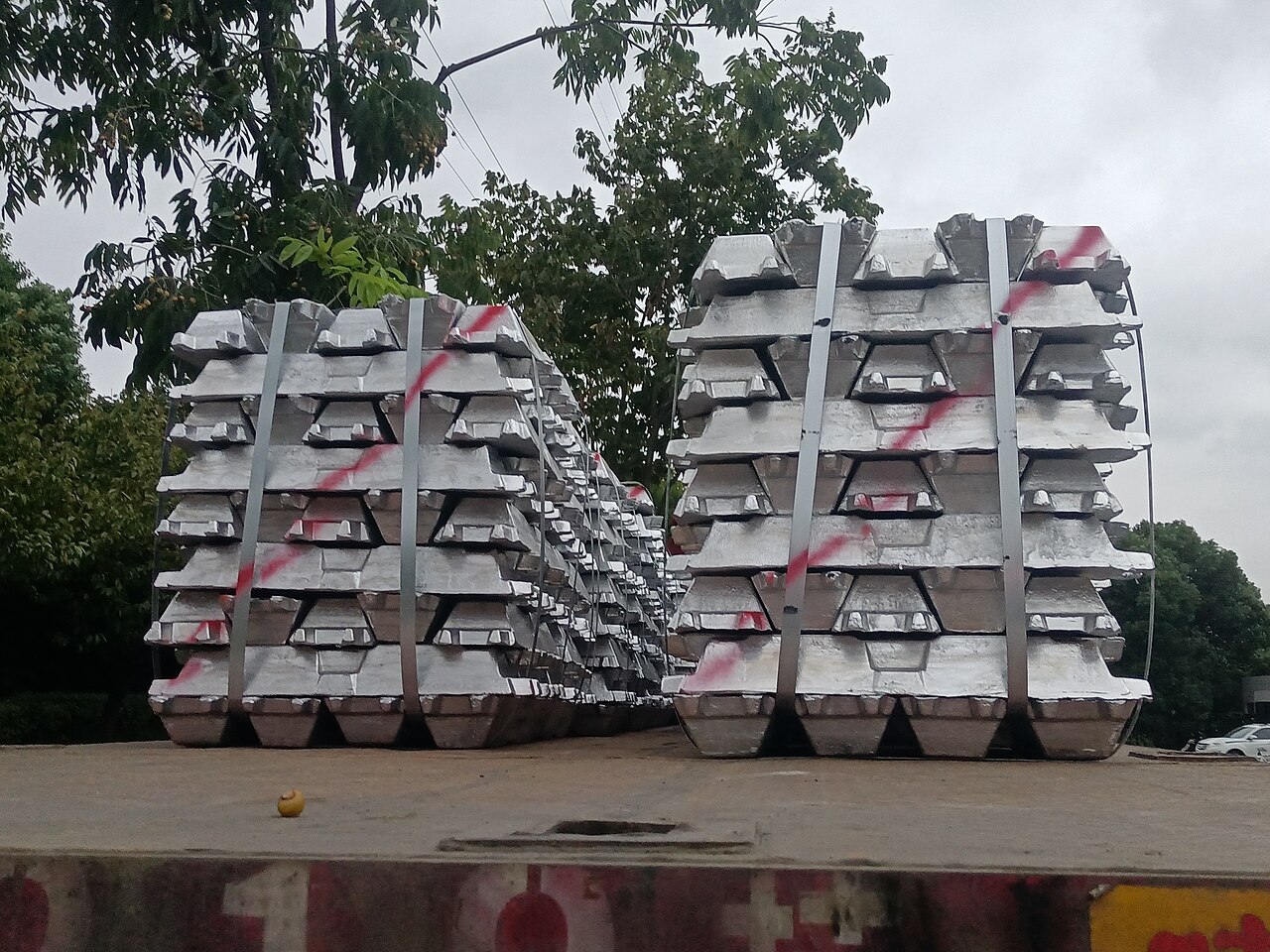
Aluminium A7 is a commercial shorthand for primary aluminium, commonly read around 99.7% minimum aluminium, but the designation should not be used as a complete specification. The chain starts with bauxite, continues through alumina and Hall-Héroult electrolysis, and ends in cast commercial forms such as ingots, sows, t-bars or foundry products.
P1020 and P1020A frequently appear in high grade primary aluminium conversations. The buyer should verify whether the reference comes from an LME contract, a producer specification or a trade sheet. Verbal equivalence between A7 and P1020A is not enough if the COA does not show lot chemistry.
P1015, P1015A, P0610 and P0610A can indicate higher chemical control or tighter limits, but values should not be invented. The useful comparison shows what must be verified: iron, silicon, minimum aluminium, residuals, physical form, brand and application.
Fe and Si are critical because they influence alloyability, conductivity, extrusion, rolling and casting behaviour. A lot suitable as general feedstock may not suit cable, special alloys or components requiring low residual content.
P1012 remains marked as REQUIRES TECHNICAL REVIEW. If no authorised source, contract or COA defines its limits, the term should not become a purity claim. The page should state plainly that it must be checked against producer specification, contract and certificate.
Physical form also determines operating value. Small ingots support dosing and flexible remelting; t-bars and sows reduce handling in large plants; bundles, straps, marks, weights and surface condition should match packing list and warehouse documents.
LME context supplies market language, but it does not make every metal lot deliverable. Price reference, approved brand, warrant, warehouse location, deliverable shape and the actual physical material offered must be kept separate.
P1020, P1015, P0610 and P1012 are comparable only when the COA shows Fe, Si and relevant trace elements. The REQUIRES TECHNICAL REVIEW note applies where commercial equivalence hides purity, form or destination differences. Shape, bundle marks and warehouse receipts should reconcile with the assay.
| Element | Verification |
|---|---|
| A7 / 99.7% | Primary commercial shorthand; verify Fe, Si, residuals and COA. |
| P1020 / P1020A | High grade primary aluminium; review contract and specification source. |
| P1015 / P1015A | May imply tighter chemistry; confirm with producer and COA. |
| P0610 / P0610A | Used for applications with more controlled limits; do not assume equivalence. |
| P1012 | REQUIRES TECHNICAL REVIEW: verify against producer specification, contract and COA. |
| Physical form | Ingot, sow or t-bar affect handling, storage and industrial consumption. |
At minimum, aluminium, Fe, Si and residuals tied to lot and producer.
Ingot, t-bar or sow; weights, bundles, marks and photos should match.
Separate price reference, approved brand, warrant and material that is actually deliverable.
KaizenGTC can structure a primary-aluminium review, separate trading shorthand from specification and flag uncertain references such as P1012 for technical review before they enter negotiation.
This page does not claim stock, producer, availability, approved brand, warrant or price. The goal is to organize the enquiry and request evidence.
A commercial term for high-purity primary aluminium, commonly around 99.7%, subject to COA.
It should not be assumed; they may overlap commercially, but contract and chemistry control.
An industry/LME reference for high grade primary aluminium; brand, form and COA must verify it.
It may imply tighter limits, but only a producer specification confirms that.
A designation associated with higher impurity control in certain applications; values must be verified.
They affect alloying, conductivity, extrusion, casting and price.
Through COA, lot, producer, form, marks, weights and warehouse documents.
Ingots, sows, t-bars and other primary forms depending on plant and logistics.