
Quality
COA with sulphur, volatiles, ash, metals, moisture, sizing and calorific value.
Petroleum coke reviewed through refinery origin, quality, emissions and bulk handling.
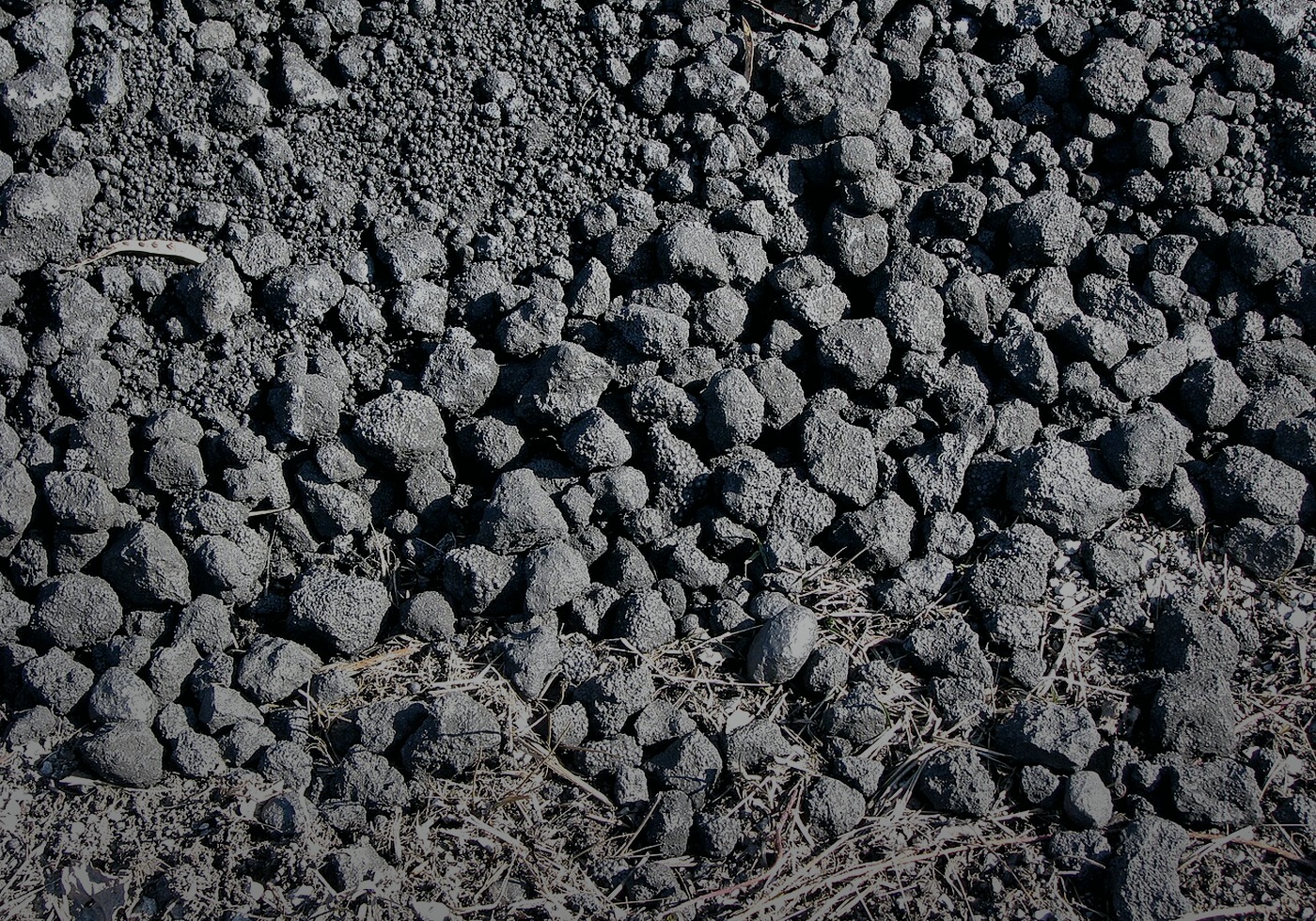
Petroleum coke is a carbon-rich solid produced in refinery coking units, especially when heavier fractions are upgraded. It should not be treated as coal or as liquid crude oil.
The review distinguishes fuel-grade petcoke, carbon-use potential and routes where material may require calcination or remain fuel-grade depending on quality.
Commercial acceptance depends on sulphur, volatile matter, ash, metals, moisture, calorific value, sizing and the end user’s environmental controls.
Heavy fractions feed a refinery coking unit.
The feed thermally cracks and coke remains in drums.
Coke is removed, drained and conditioned for handling.
Sulphur, volatile matter, ash, metals, moisture, sizing and energy are measured.
The solid moves in bulk to industrial users or further processing.
Fuel-grade petcoke can be attractive as a thermal input because of carbon and heat value, but sulphur and metals require suitable equipment, permits and emissions limits.
Ash, vanadium, nickel, moisture and volatile matter change acceptance. Particle size and fines influence combustion, dust, transport and handling.
When anode-grade or calcination route language appears, the file should state whether the material is generic petcoke, green petroleum coke or calcined petroleum coke.
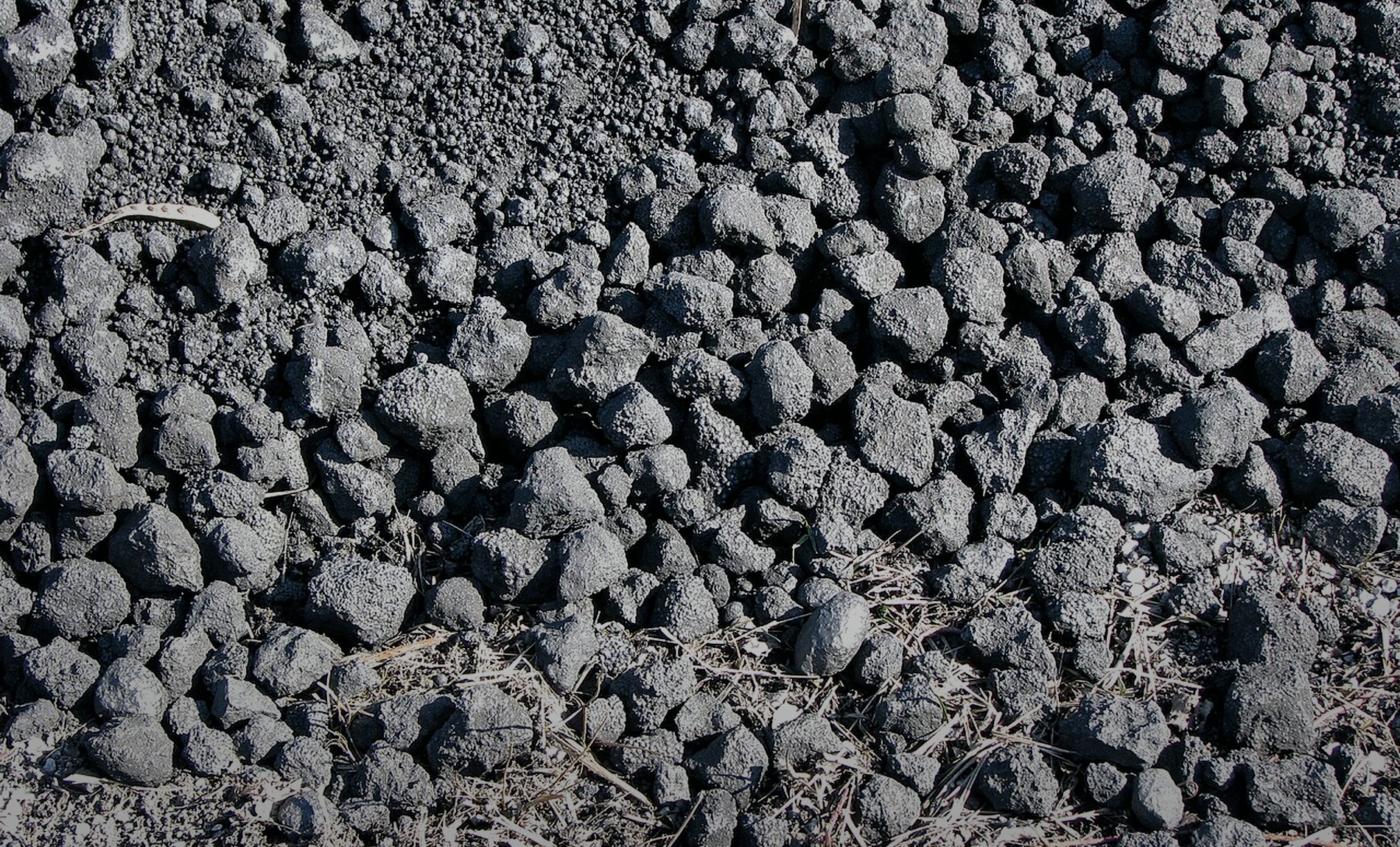
Petcoke is managed as a bulk solid: stockpiles, belts, trucks, railcars or holds should control dust, moisture, segregation and runoff.
The buyer needs to confirm whether the destination can accept sulphur, metals and ash, and whether it has environmental permits for the intended thermal or industrial use.
KaizenGTC facilitates document review and commercial coordination; it does not present itself as a refinery, terminal or petcoke producer.
| Element | Verification |
|---|---|
| Sulphur | Defines environmental restrictions and end-user compatibility. |
| Metals | Nickel, vanadium and other elements may limit applications. |
| Moisture / volatiles | Affect weight, combustion, storage and safety. |
| Ash | Influences residues, maintenance and industrial acceptance. |
| Sizing | Controls dust, handling and feed performance. |
Petcoke supply comes from refineries and heavy-crude processing; demand depends on cement, power, metallurgical or other users that can manage impurities and environmental requirements.
| Market | Role | Context |
|---|---|---|
| Refineries with cokers | SUPPLY | Production depends on refinery operation and crude slate. |
| Cement and lime | THERMAL DEMAND | Users with kilns and controls suitable for carbonaceous solids. |
| Industrial market | QUALITY / REGULATION | Acceptance tied to sulphur, metals, ash and permits. |
Sources: U.S. EIA - Coking refinery process; U.S. EIA - Most U.S. petroleum coke is exported; U.S. EIA glossary - delayed coking; U.S. EPA - Health effects of petroleum coke; ASTM petroleum coke proficiency/testing notice
COA with sulphur, volatiles, ash, metals, moisture, sizing and calorific value.
Refinery statement, lot, production date and sample basis.
SDS, dust plan, moisture, sampling method and loading conditions.
Petcoke is a refinery coking product. It may be used as a solid fuel, but its origin, sulphur, metals and handling profile are not the same as generic coal.
Sulphur, metals, ash, moisture, volatile matter, calorific value, sizing and the end user’s environmental capacity.
They affect emissions, permits, corrosion, ash, maintenance and acceptance by kilns or plants.
Not always. Green petroleum coke is uncalcined coke from the coker; petcoke can be used more broadly for different grades and routes.