
Origin
Refinery, coker, lot, date, uncalcined condition and sample basis.
Green petroleum coke reviewed as uncalcined coke, not as an environmental product.
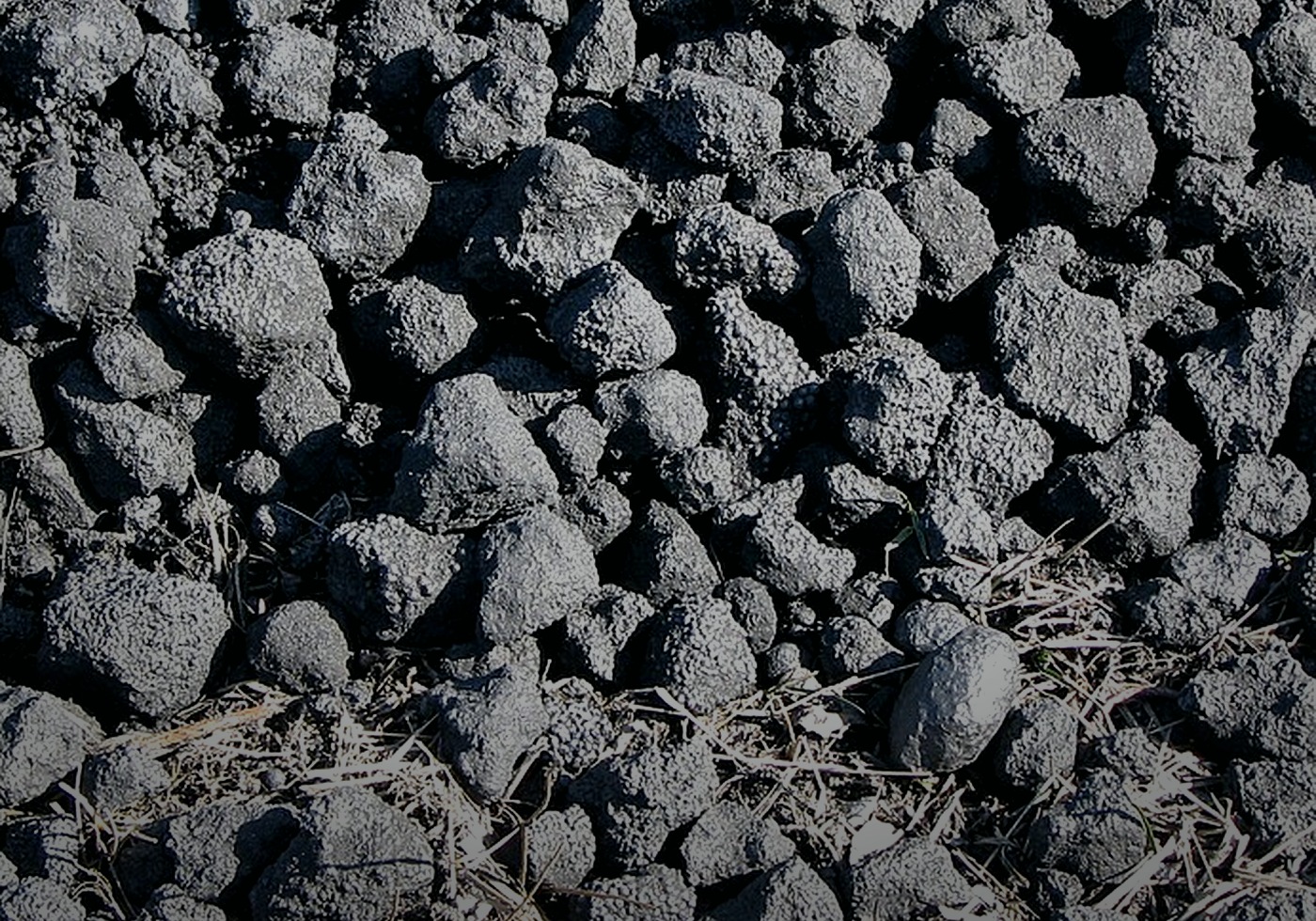
Green coke or green petroleum coke is uncalcined petroleum coke from a refinery coking unit. “Green” describes its raw/unprocessed state; it does not mean environmentally green.
Green petroleum coke must be distinguished from broader commercial petcoke descriptions and from calcined petroleum coke. The key question is whether the material fits calciner feedstock, potential anode-grade feed or solid fuel use depending on quality.
Moisture, volatile matter, sulphur, metals, ash, sizing and refinery origin define the commercial route.
The refinery processes heavy streams in a coker.
Material leaves the drum with moisture and residual volatiles.
It is cut, dewatered, sized and protected from contamination.
Moisture, volatile matter, sulphur, metals, ash and sizing are tested.
It may go to a calciner, anode-grade feed or fuel use depending on quality.
For calcination, the critical parameters are moisture, volatile matter, sulphur, metals, ash, density and heating behaviour.
Green coke with low metals may suit carbon/anode feed routes; higher-impurity material may be limited to fuel-grade or other industrial uses.
It should not be sold as calcined petroleum coke if it has not passed through heat treatment that dries, releases residual hydrocarbons and densifies the material.
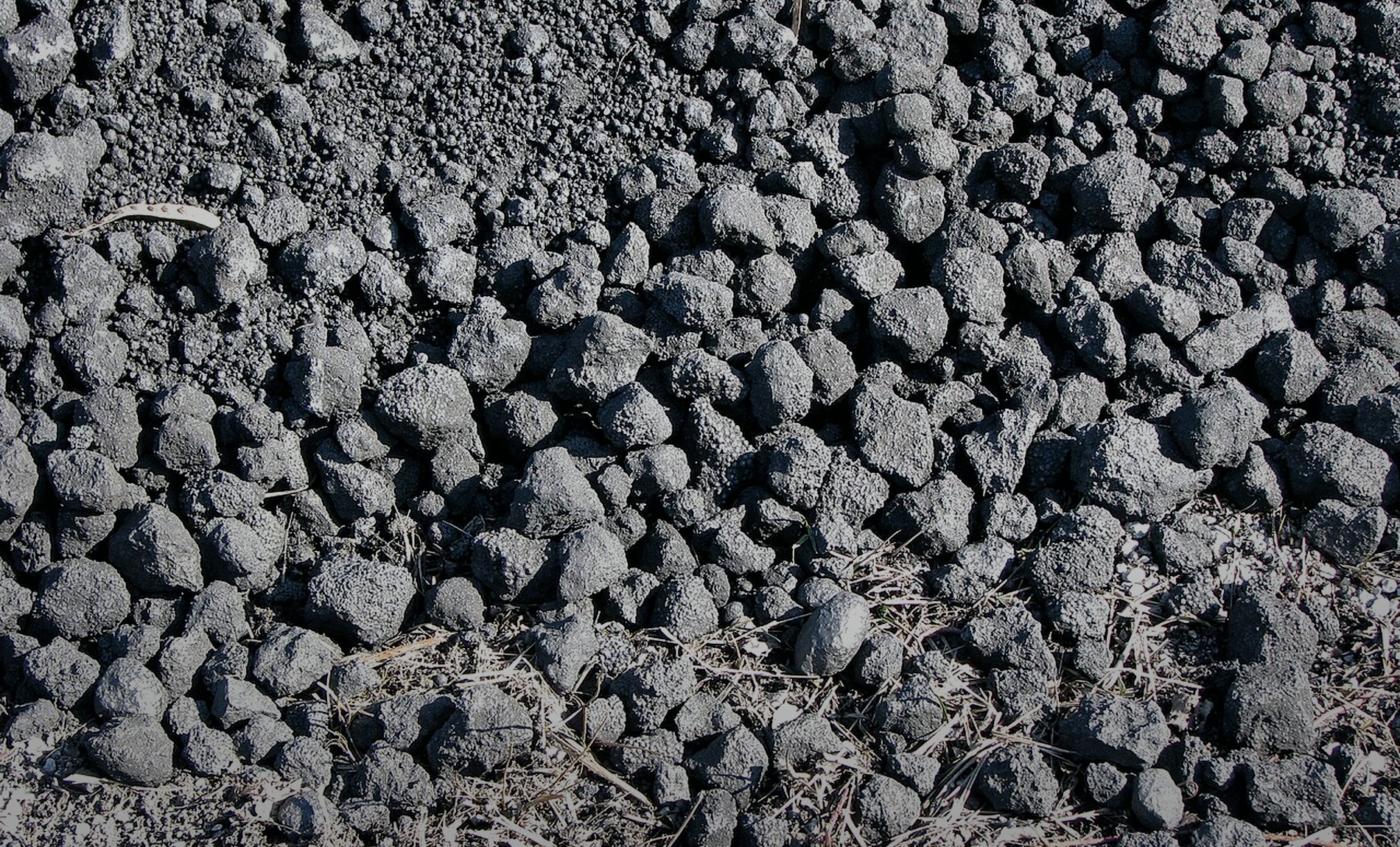
Green coke requires bulk-solid handling with moisture, dust, segregation and fines control. Rain exposure or mixing with other solids can change value and acceptance.
The buyer needs to know whether the destination is calciner, anode-grade feed, fuel or another industrial route, because each path has different limits.
KaizenGTC facilitates document review and destination compatibility; it does not act as a refinery, calciner or aluminium producer.
| Element | Verification |
|---|---|
| Moisture | Affects weight, storage, transport and calcination. |
| Volatile matter | Differentiates green coke from calcined coke and shapes thermal processing. |
| Sulphur | Influences emissions, value and calciner or end-user acceptance. |
| Metals | Nickel, vanadium and other elements may limit anode-grade feed. |
| Sizing / fines | Affects handling, dust, segregation and performance. |
The green coke market is best read through calciners and carbon chains, plus fuel uses when quality does not fit more demanding routes.
| Market | Role | Context |
|---|---|---|
| Refineries | ORIGIN | Green coke leaves the coker before calcination. |
| Calciners | TRANSFORMATION | They dry, release volatiles and densify material to produce CPC. |
| Aluminium/carbon industry | SELECTIVE DEMAND | Requires controlled impurities and feedstock suitability. |
Sources: Rain Carbon - Calcined petroleum coke from green petroleum coke; U.S. EIA - Coking refinery process; U.S. EIA glossary - delayed coking; ASTM petroleum coke proficiency/testing notice; U.S. EPA - Health effects of petroleum coke
Refinery, coker, lot, date, uncalcined condition and sample basis.
Moisture, volatile matter, sulphur, metals, ash, sizing and density where relevant.
Intended-use statement: calciner feed, anode-grade feed, fuel-grade or other route.
It means uncalcined or raw petroleum coke. It does not mean the product is environmentally green.
Calcination reduces moisture and residual volatile matter and densifies the material for more demanding carbon uses.
Green coke has not gone through calcination heat treatment; calcined coke has different moisture, volatile matter and density.
Moisture, volatile matter, sulphur, metals, ash, sizing, density and destination limits.