
Specification
Destination standard, RON grade, volatility, sulphur, oxygen and permitted composition limits.
Gasoline RON 87/95 reviewed through octane, volatility, blending and destination regulation.
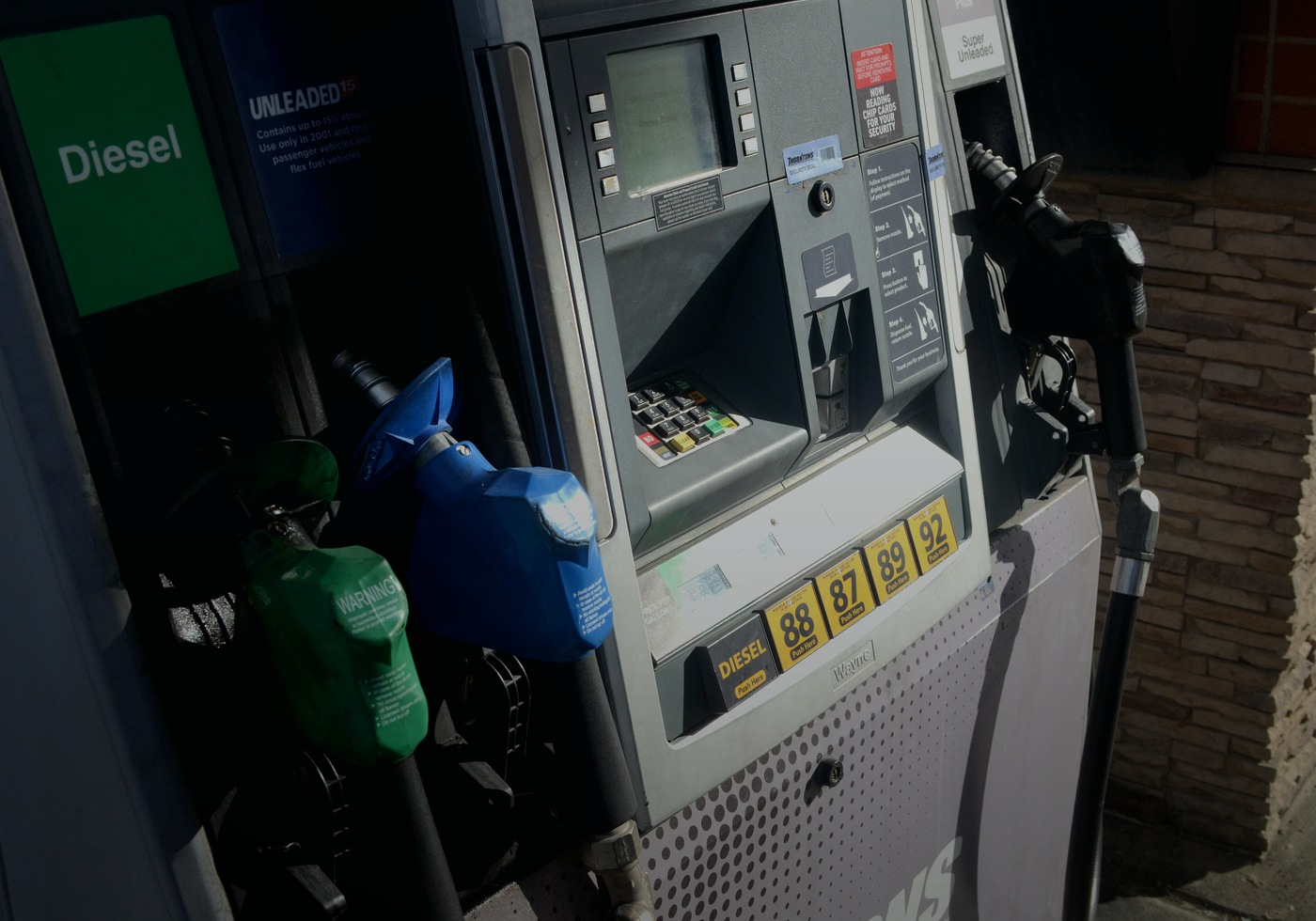
RON 87/95 describes gasoline through its Research Octane Number, a knock-resistance measurement under test conditions. It is not a global quality score and does not replace volatility, distillation or environmental limits.
International reading requires care because some markets publish RON, others AKI ((R+M)/2), and others combine commercial grade with local requirements for sulphur, oxygenates, aromatics, vapour pressure and season.
A workable offer should define whether it is RON 87, RON 95 or another grade, the destination standard, permitted components and tank COA.
Naphthas and high-octane components are prepared for blending.
Octane, volatility, distillation and composition are adjusted.
Ethanol, ethers or additives are included only where specification allows.
Finished gasoline is segregated by octane and season.
COA confirms RON, volatility, sulphur, distillation and destination parameters.
RON should be read with MON or AKI where the market uses another octane label. RON 95 is not the same as 95 AKI.
Volatility matters as much as octane: vapour pressure, distillation and vapour-liquid ratio can change by climate, altitude and season to control starting, emissions and vapour lock.
Sulphur, oxygen, benzene/aromatics, olefins, stability, ethanol content and additives are reviewed against the destination standard. The COA should state method, tank and date.

Gasoline requires segregation by grade and season. Mixing RON 87 with RON 95, or gasoline with a different oxygenate package, can put the lot outside specification.
Logistics must control vapours, flammability, water, ethanol compatibility and tank cleanliness. Terminals and road tankers need loading and discharge records that preserve grade identity.
Acceptance depends on destination country: a common commercial grade in one region may fail the environmental or labelling specification in another.
| Element | Verification |
|---|---|
| RON | Research-method knock resistance; not the same as AKI. |
| MON / AKI | Relevant where the destination uses (R+M)/2 or another label. |
| Vapour pressure | Controls evaporation, starting and seasonal emissions. |
| Distillation | Shows evaporation behaviour and fuel performance. |
| Sulphur and oxygenates | Linked to environmental regulation and compatibility. |
Gasoline markets are read through regional grades, seasonality and quality rules. RON 87/95 may be meaningful in one region and need technical translation in another.
| Market | Role | Context |
|---|---|---|
| Europe and RON markets | RON GRADE | Grades are commonly communicated by Research Octane Number and regional specifications. |
| United States and AKI markets | (R+M)/2 LABEL | The pump uses average RON/MON, so direct comparison with RON needs conceptual conversion. |
| Blending terminals | GRADE ADJUSTMENT | Octane, volatility and oxygenates are finalised in tank before dispatch. |
Sources: U.S. EIA - Gasoline octane in depth; U.S. EIA - Gasoline explained; U.S. EIA - Refining crude oil: the refining process; ASTM D4814 automotive spark-ignition engine fuel specification
Destination standard, RON grade, volatility, sulphur, oxygen and permitted composition limits.
COA, SDS, quantity certificate, tank, declared additive and oxygenate package.
Terminal record, grade segregation, applicable season and transport documents.
The gasoline reaches Research Octane Number 95 under the test method; it does not describe all quality limits by itself.
No. RON and MON are different methods; some markets use AKI, the (R+M)/2 average.
To balance starting, evaporation, emissions and safety under climate and regulatory conditions.
Octane may drop or volatility and oxygenates may change, putting the lot outside specification.
Tank COA, destination standard, composition/oxygenates, SDS, quantity, inspection and custody.
No. Availability depends on terminal, grade, season, regulation and lot documents.