
Quality
Finished-fuel COA plus ethanol and gasoline component specifications where required.
E30 reviewed as an intermediate ethanol-gasoline blend requiring defined composition, compatibility and destination rules.
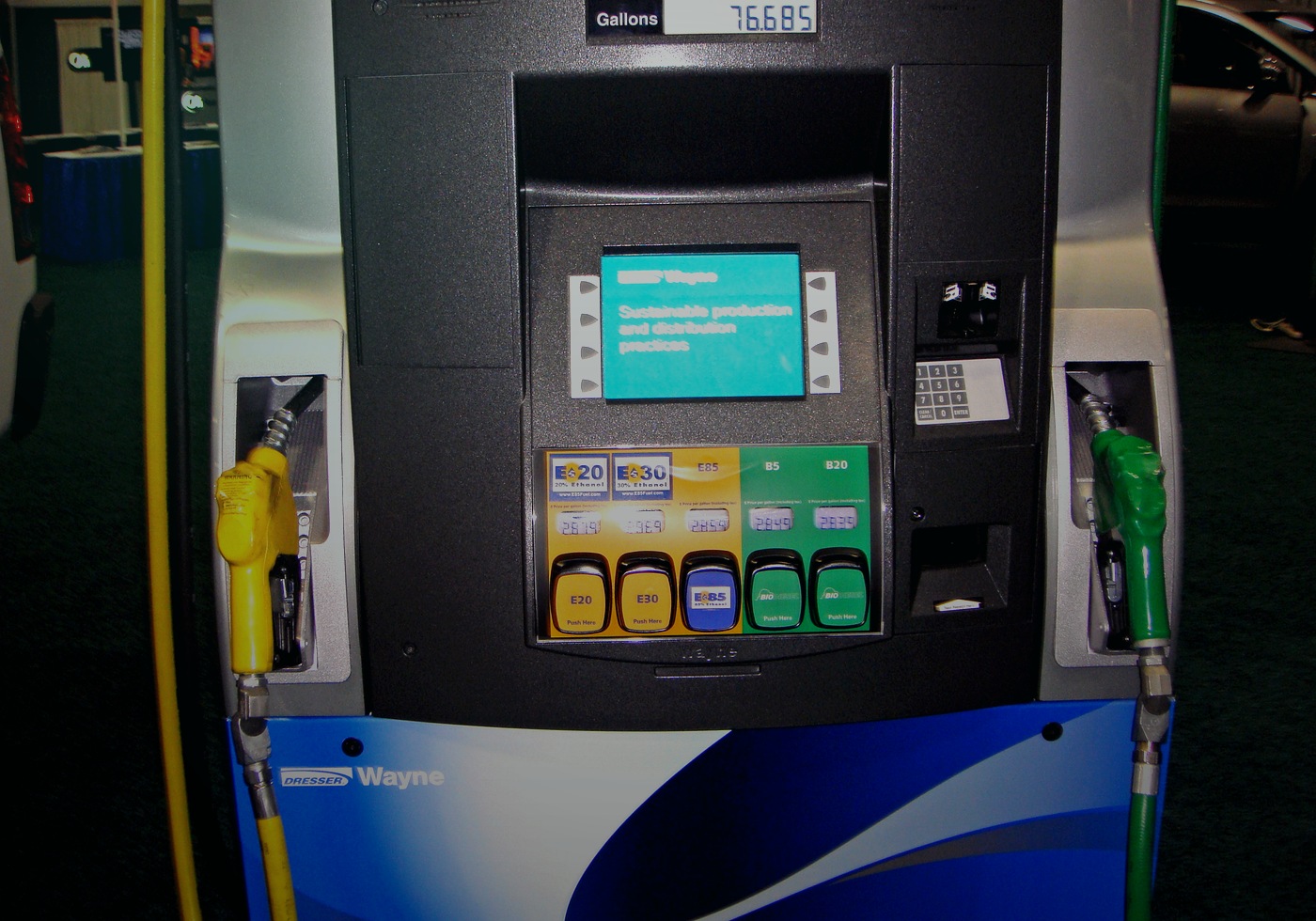
E30 is an intermediate ethanol-gasoline blend. In the U.S. Alternative Fuels Data Center context, it is described as 30% ethanol and 70% gasoline and is associated with flexible-fuel vehicle use.
It should not be treated as a universally interchangeable gasoline grade. Vehicle compatibility, dispenser labelling, fuel standards and legal sale conditions depend on the destination market.
A commercial offer should identify the ethanol component, gasoline blendstock, blending point, final ethanol percentage and the specification used for the finished fuel.
Gasoline blendstock and ethanol are defined against the agreed specification.
Volumes are metered to reach the contracted ethanol percentage.
The finished fuel is mixed under controlled tank conditions.
Composition, water, volatility and other contractual fuel properties are checked.
Ethanol-compatible tanks, seals and transfer systems are used for delivery.
Ethanol is hygroscopic, so water ingress and phase stability require careful control throughout storage and transfer. A clean dry tank system is fundamental.
Finished-fuel quality depends on more than ethanol percentage: base gasoline quality, volatility, octane behaviour, denaturant and applicable national fuel standards can all matter.
The buyer should verify that the intended vehicle fleet, storage system and destination rules permit the specific E30 grade before contracting.
Tanks, pumps, seals, meters and transport equipment should be compatible with the contracted ethanol blend. Water bottoms, incompatible residues and cross-contamination can compromise finished fuel.
Blending can occur at terminals or dedicated facilities depending on the supply chain. The contract should state where final quality is established and which party controls sampling.
KaizenGTC facilitates commercial and document coordination; it does not represent itself as a fuel blender, terminal or refinery.
| Element | Verification |
|---|---|
| Ethanol content | Confirm the contracted blend percentage and test method. |
| Water | Control free water and moisture ingress throughout storage and transfer. |
| Volatility | Check destination fuel requirements and seasonal specification where applicable. |
| Compatibility | Confirm vehicle/fleet and storage-system suitability for the blend. |
| Blending point | Define where final composition is established and sampled. |
Intermediate ethanol blends can be commercially relevant where compatible vehicles, blender-pump infrastructure and local regulation support them. The commercial file should therefore combine fuel composition with destination legality, end-use compatibility and terminal capability.
| Market | Role | Context |
|---|---|---|
| Ethanol / gasoline suppliers | SUPPLY | Component quality and blending consistency determine the finished fuel. |
| Fuel terminals | BLENDING / STORAGE | Need compatible tanks, meters, seals and water-control procedures. |
| Fleet / retail market | END USE | Vehicle compatibility, labelling and local regulation determine acceptance. |
Sources: U.S. DOE AFDC — Ethanol blends; U.S. EPA — Flexible-fuel engine guidance for higher ethanol blends; U.S. EIA — Biofuels explained: ethanol; U.S. EIA — Gasoline explained
Finished-fuel COA plus ethanol and gasoline component specifications where required.
Destination fuel standard, permitted end use and any required labelling or fleet confirmation.
Tank cleanliness, blending point, sampling protocol and transport specification.
An approximate blend of 30% ethanol and 70% gasoline; the exact percentage should be stated in the specification and COA.
Not necessarily. Compatibility depends on regulation, manufacturer guidance, sales channel and end-use; many markets associate it with flex-fuel vehicles or authorised uses.
Ethanol absorbs water and can cause phase separation if the system is not controlled.
Ethanol can raise octane, but the finished blend must be tested; it should not be accepted by inference.
Finished-blend COA, ethanol COA, blend percentage, SDS, tank, quantity, inspection and applicable regulation.
Only where the jurisdiction allows it and the labelling, vehicle use and specification are compatible.