
Specification
Applicable standard, grade, sulphur limits and test methods written into the contract.
D2 diesel reviewed through real specification, sulphur, lot certificate and destination fit.

D2 should be read as a diesel or No. 2 gas oil offer governed by a written specification, not as a sufficient commercial password. International files may still use legacy D2 wording, but acceptance depends on the named standard, sulphur level, terminal and COA.
When an offer presents D2 as automatically equal to EN590, ULSD or another local diesel grade, the review has to separate the label from the specification that actually controls the lot. Density, distillation, flash point, water, sediment and sulphur limits vary by contract and jurisdiction.
KaizenGTC acts as an international trade facilitator: it organises the file, checks document consistency and helps buyer and counterparty discuss a verifiable lot rather than an ambiguous label.
Middle distillate fraction from crude and refinery streams.
Sulphur reduction and property adjustment for the required grade.
Stability, lubricity or cold-flow adjustment where specified.
Storage without free water or cross-grade mixing.
Sampling, test methods, quantity, custody and delivery condition.
The first filter is the applicable standard: ASTM D975, EN590, a national specification or a contractual sheet. The D2 name does not set sulphur, distillation or cold-flow performance by itself.
The COA should show sample, date, method and result for critical parameters: sulphur, density, flash point, water and sediment, viscosity, distillation and, where required, cetane or cetane index.
Commercial review must connect specification, tank and destination. A lot acceptable for generation or industrial use may fail a road-fuel destination where regulation is stricter.
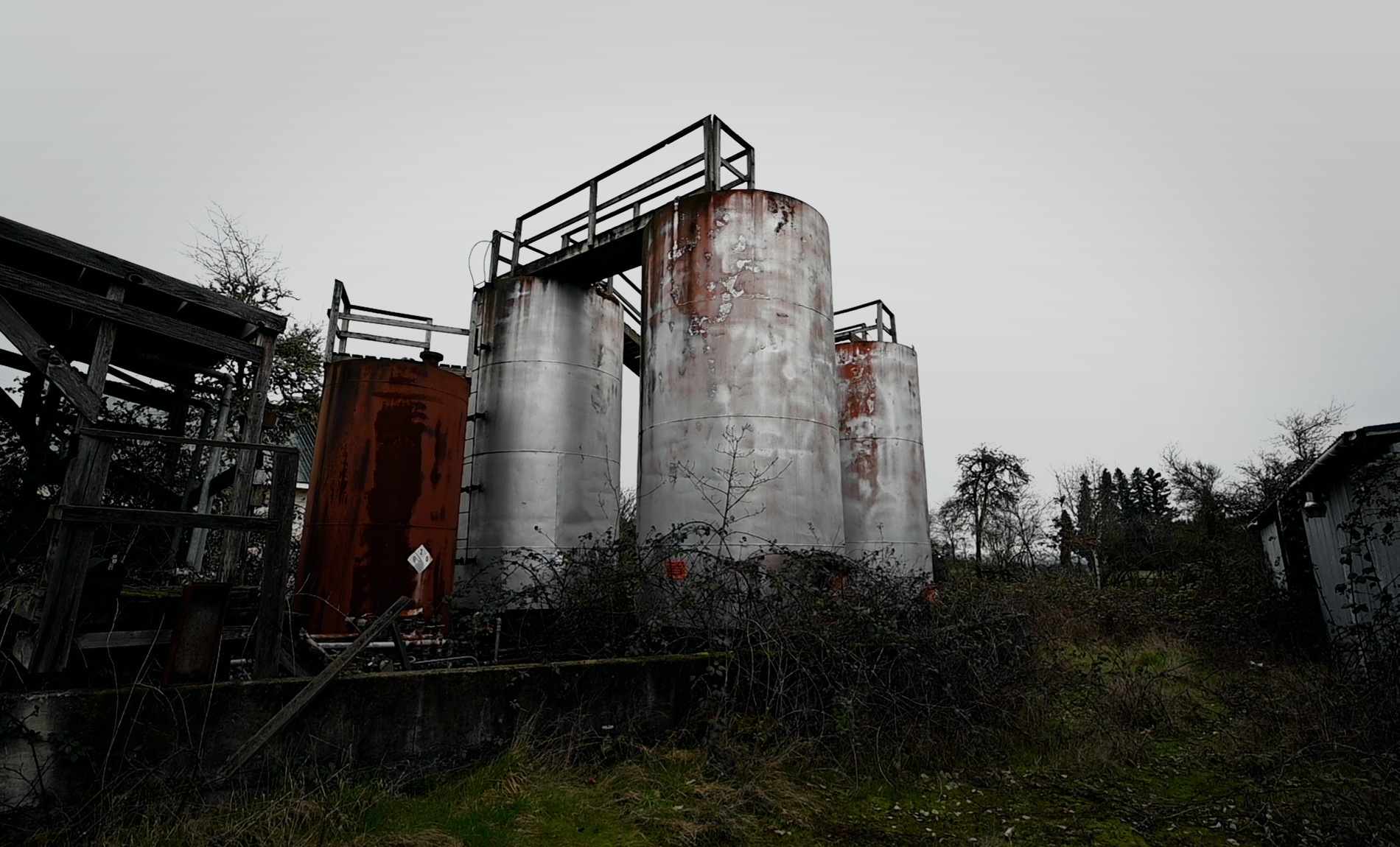
D2 storage calls for grade segregation, water draining, cross-contamination control and tank records. The buyer needs to know whether the product is in refinery, terminal or vessel and whether sampling represents the offered lot.
Under CFR, CIF, FOB or terminal delivery, inspection wording matters: transfer point, quantity tolerance, laboratory, sampling method and recertification if the lot moves to another tank.
Technical discussion is not proof of physical availability. Authorised seller, terminal, quantity, logistics window and independently checkable documents must line up.
| Element | Verification |
|---|---|
| Sulphur | Contractual and destination limit; EN590 should not be assumed from the D2 name. |
| Distillation and density | Confirm that the lot behaves as middle distillate rather than another cut. |
| Flash point | Safety control for handling, storage and transport. |
| Water and sediment | Filtration, corrosion, blockage and terminal rejection risk. |
| COA and sample | Date, tank, laboratory and method must belong to the sold lot. |
D2 is best read within the broader middle-distillate market. Refineries, import terminals and transport or industrial demand shape availability, while each destination applies its own quality regulation.
| Market | Role | Context |
|---|---|---|
| Distillate refineries and terminals | PRODUCTION / STORAGE | Origin and tank define the documentary control point for the lot. |
| Markets with strict sulphur rules | DESTINATION COMPLIANCE | Acceptable grade depends on local limits, not on the D2 name. |
| Transport, industrial and generation demand | CONSUMPTION | End use and regulation decide whether the proposed specification works. |
Sources: U.S. EIA - Diesel fuel explained; U.S. EIA - Refining crude oil: the refining process; ASTM D975 diesel fuel specification; U.S. EIA - Oil and petroleum products explained
Applicable standard, grade, sulphur limits and test methods written into the contract.
COA, SDS, quantity certificate, tank report and independent inspection report.
Terminal, tank, loading window, segregation, transfer point and custody chain.
Not automatically. D2 is common trade wording for diesel or No. 2 gas oil; EN590 is a European specification with its own limits. Equivalence exists only if contract and COA prove it.
Contract standard, sulphur, density, distillation, flash point, water/sediment, tank and sampling date.
It affects environmental compliance and destination acceptance. Many markets require low- or ultra-low-sulphur grades.
Yes, where the installation and regulation accept the stated specification. End use should be confirmed before price and logistics are closed.
A coherent file with verifiable tank or terminal, recent COA, quantity, inspection and custody chain.
Free water, mixed grades, non-segregated storage or documents issued for a different lot.