
Verifiable COA
Date, methods, lot, tank, laboratory and key parameters should be readable against the contract.
Low-sulphur diesel framed by EN 590 and reviewed through specification, climate class, certificate of analysis and custody evidence.
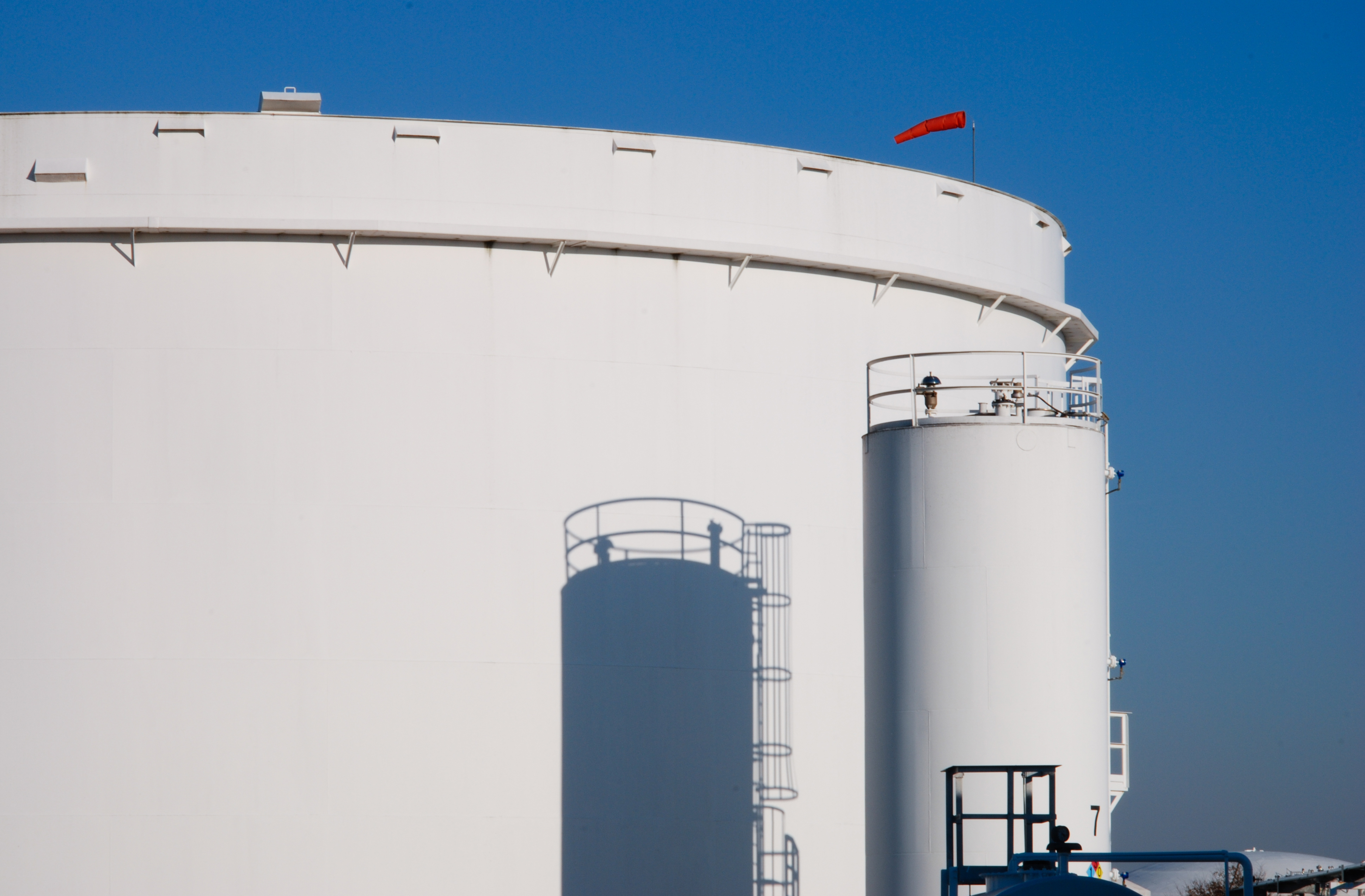
EN590 10 PPM describes automotive diesel traded against the European EN 590 framework, with an ultra-low-sulphur reference commonly expressed as 10 parts per million. The label is not a self-contained specification. A buyer still needs the contract limits, certificate of analysis, test methods and destination requirements before treating a cargo as negotiable.
The product belongs to regulated road-fuel distribution rather than a generic industrial gasoil bucket. A serious offer should state whether it follows a specific EN 590 issue, an equivalent national specification, a seasonal annex or a contractual table covering density, cetane, lubricity, oxidation stability, FAME and cold-flow behaviour.
Middle distillates and treatment to reduce sulphur.
Cetane, density, FAME and additive adjustment.
COA with methods, sample and lot date.
Clean tank, segregation and water control.
Climate class, contract and local rules.
The technical chain starts with refinery middle-distillate streams. Hydrotreating reduces sulphur compounds and helps create a road-diesel profile, while blending adjusts density, flash point, distillation curve, cetane number or index and biodiesel content where the destination market permits it.
The product is not finished merely because it leaves a refining unit. Terminals, tanks, pipelines, vessels or trucks can introduce water, sediment, cross-mixing or additive deviations. The trade file therefore needs retained samples, analysis dates, tank identification and clear custody-transfer conditions.
Cold-flow performance deserves separate attention. CFPP, cloud point or climate classes depend on season and destination, so a lot suitable for one route can be inappropriate for another region or delivery month.
| Element | Commercial reading |
|---|---|
| Sulphur declaration | Must appear on the COA with test method and contractual limit; the words 10 ppm are not enough. |
| Cetane and density | Connect combustion performance, road-fuel specification and destination acceptability. |
| FAME and stability | Biodiesel content and oxidation behaviour affect storage, compatibility and shelf life. |
| CFPP or climate class | Determines cold-weather operability and prevents a purchase that fails by season or geography. |
| Water and contamination | Controls terminal rejection risk, microbial growth and filter problems. |
The COA should be read against a complete specification. Beyond sulphur, the review normally checks appearance, density at reference temperature, viscosity, distillation, flash point, water, total contamination, lubricity, FAME, oxidation stability and any agreed cold-flow requirement.
Document context matters as much as numbers. A single certificate does not prove availability, origin or right to sell. Useful evidence links specification, tank or terminal identity, quantity, date, retained samples, logistics documents and the relationship between seller, custodian and route.
The natural use is road diesel where low sulphur and emissions-related fuel controls are required. In international trade, the same expression may appear in FOB, CIF or terminal delivery structures, but real acceptance depends on local regulation, import rules and discharge infrastructure.
Storage should use clean, segregated tanks, free-water control, drainage discipline, additive compatibility and avoidance of cross-contact with off-spec middle distillates. For maritime or land movements, composite samples and independent inspection reduce later contamination disputes.

EN 590 governs an automotive diesel fuel, not a loose export label. A serious review separates three layers: the standard or reference specification, the limits imported into the buyer's contract and the lot evidence proving what is actually available. The 10 ppm reference describes ultra-low sulphur, but fuel behaviour also depends on cetane, density, lubricity, distillation, flash point, stability and contaminants.
Cetane number is associated with ignition quality; cetane index may appear as a calculated complement, but it does not automatically replace a required test. Density affects volume, energy per litre and mass reconciliation. Lubricity protects modern injection systems, while the distillation curve helps read volatility and heavier fractions. If a lot is described only as EN590 without these parameters, the offer is incomplete.
FAME adds another layer. It may be permitted inside specific frameworks, but its presence affects stability, compatibility, water uptake and storage. The useful question is not only whether biodiesel is present; it is percentage, method, destination permission and relationship with oxidation stability, water and cold-flow behaviour.
CFPP and climate class are decisive in an international route. Fuel can satisfy sulphur and cetane expectations and still be unsuitable for winter if cold-filter plugging performance does not match destination conditions. The review should connect production date, season of use, ambient temperature and whether the terminal will keep the quality segregated until delivery.
Useful documents include COA, SDS, contractual specification, tank identification, quantity evidence, retained samples, inspection report and custody-transfer records. In vessel or road-tanker movements, the exact sampling point explains which party carries the risk for water, sediment or cross-contamination.
The difference between EN590 and D2 should be stated without shortcutting. D2 often works as broad trade shorthand for gasoil or diesel; EN590 points to measurable requirements. If an offer uses both terms as equivalents, the reviewer should request the full specification and reject verbal substitution.
KaizenGTC should keep the page educational: it helps frame technical questions, but it does not promise availability or certify a lot. The commercial reading is that the name opens the conversation, while contract, certificate and inspection decide whether there is a serious basis to proceed.
In negotiation, cetane and density should sit on the same control line as FAME, CFPP, COA, SDS and D2. Reading them together prevents a buyer from accepting a trade label where a verifiable specification is missing.
| Element | Verification |
|---|---|
| Sulphur | Confirm 10 ppm or agreed limit on the COA with method. |
| Cetane / index | Distinguish tested cetane number from calculated index where relevant. |
| Density and distillation | Check fit with specification and destination. |
| FAME | Confirm presence, percentage, stability and destination permission. |
| CFPP | Connect cold-filter behaviour with climate, season and route. |
| Water and contamination | Require documented tank control, sampling and segregation. |
Date, methods, lot, tank, laboratory and key parameters should be readable against the contract.
Terminal, volume, incoterm, transfer point and retained samples explain where risk moves.
Import rules, climate, FAME permission and cold-flow class should be confirmed before price closure.
KaizenGTC can organize the enquiry, separate commercial claims from technical evidence, prepare clarifying questions and coordinate documentary review among buyer, seller, laboratory, terminal and inspector.
This page does not claim stock, origin, producer, availability, certification or price. It is a guide for requesting a disciplined transaction before human review.
It defines requirements and test methods for automotive diesel in the European framework; the contract should identify the accepted issue or reference.
It refers to a very low sulphur concentration, normally read as milligrams per kilogram or parts per million in commercial review.
No. D2 is broad trade shorthand; EN590 requires measurable parameters and evidence of conformity.
It relates to ignition quality and engine behaviour, and should be reviewed with density and other parameters.
It can appear within permitted limits under the applicable framework, but must be declared and verified by method.
It is a cold-filter plugging measure used to judge whether fuel will operate in a specific season and destination.
Through COA, test methods, representative sampling, tank identification and independent inspection where appropriate.
COA, SDS, specification, quantity evidence, tank or terminal records, retained samples and custody/transport documents.