
Specification
Applicable specification, COA and lot release or recertification certificate.
Jet A-1 reviewed as aviation turbine fuel, with cold-flow, contamination and lot-release controls.
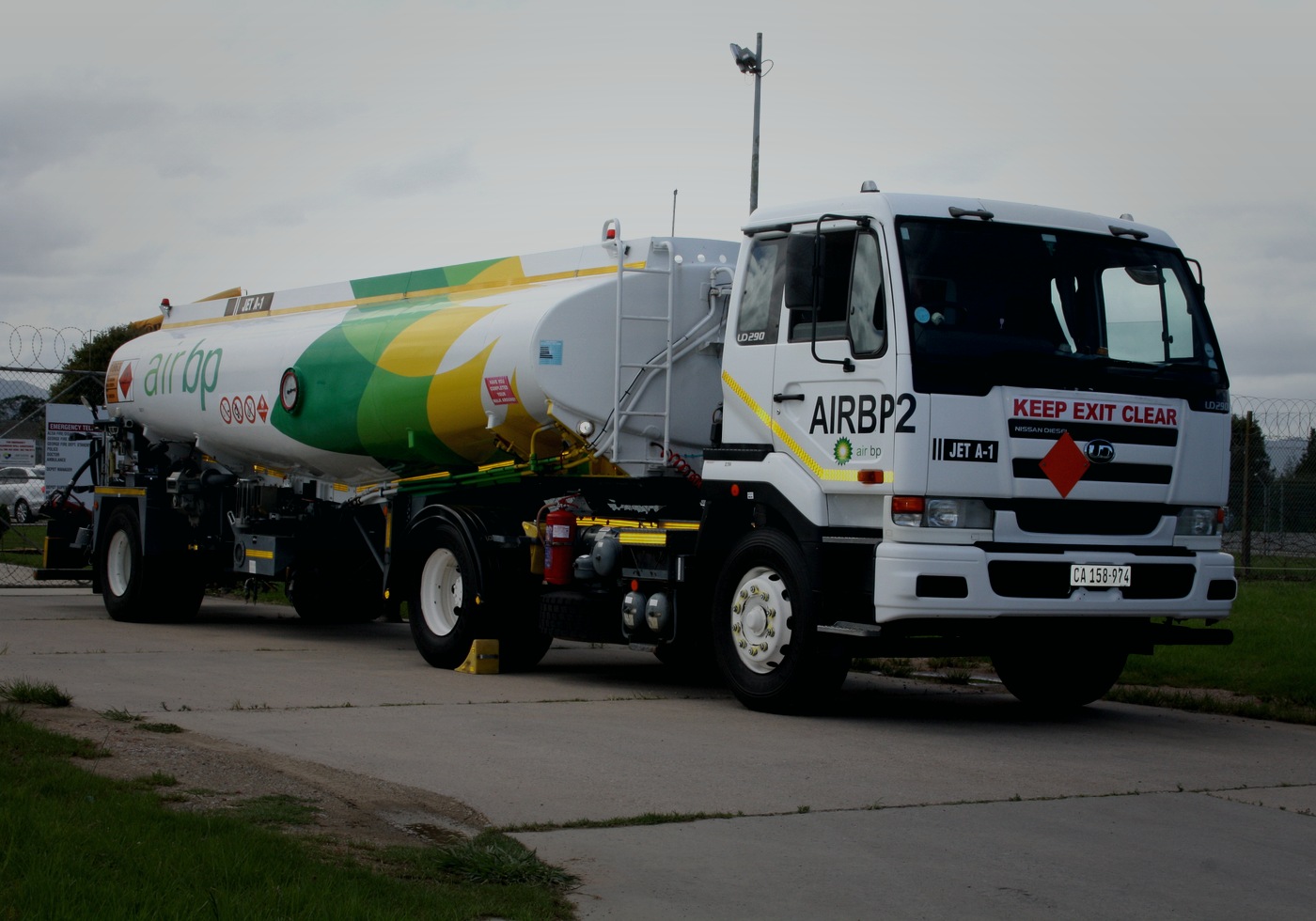
Jet A-1 should be treated as kerosene-type aviation turbine fuel. Its review is not a diesel review: freezing point, flash point, cleanliness, water control and operational release are decisive.
The applicable specification commonly refers to frameworks such as DEF STAN 91-091, ASTM D1655 or joint aviation fuel requirements. Lot acceptance needs traceable documents, not only a commercial mention.
In aviation, logistics are part of quality. A batch may meet refinery parameters and still require recertification, filtration or controls before it enters the airport fuel system.
The refinery separates a fraction suitable for turbine fuel.
Sulphur, stability, aromatics and specified properties are adjusted.
Conductivity, antioxidant or other additives only where standard and contract allow them.
Water, particulates, density, freezing point, flash point and release controls.
Dedicated tank, hydrant or refueller and records through aircraft delivery.
Freezing point is central because the fuel operates at low temperatures at altitude. Jet A-1 differs from Jet A through tighter cold-flow expectations in international practice.
Flash point, density, distillation, thermal stability, sulphur, conductivity where applicable, particulates and water should also be verified. Water control is not cosmetic; it can create ice, corrosion or filter blockage.
The certificate should fit the aviation chain: COA, release certificate, recertification after tank movement and filtration or drain records where relevant.
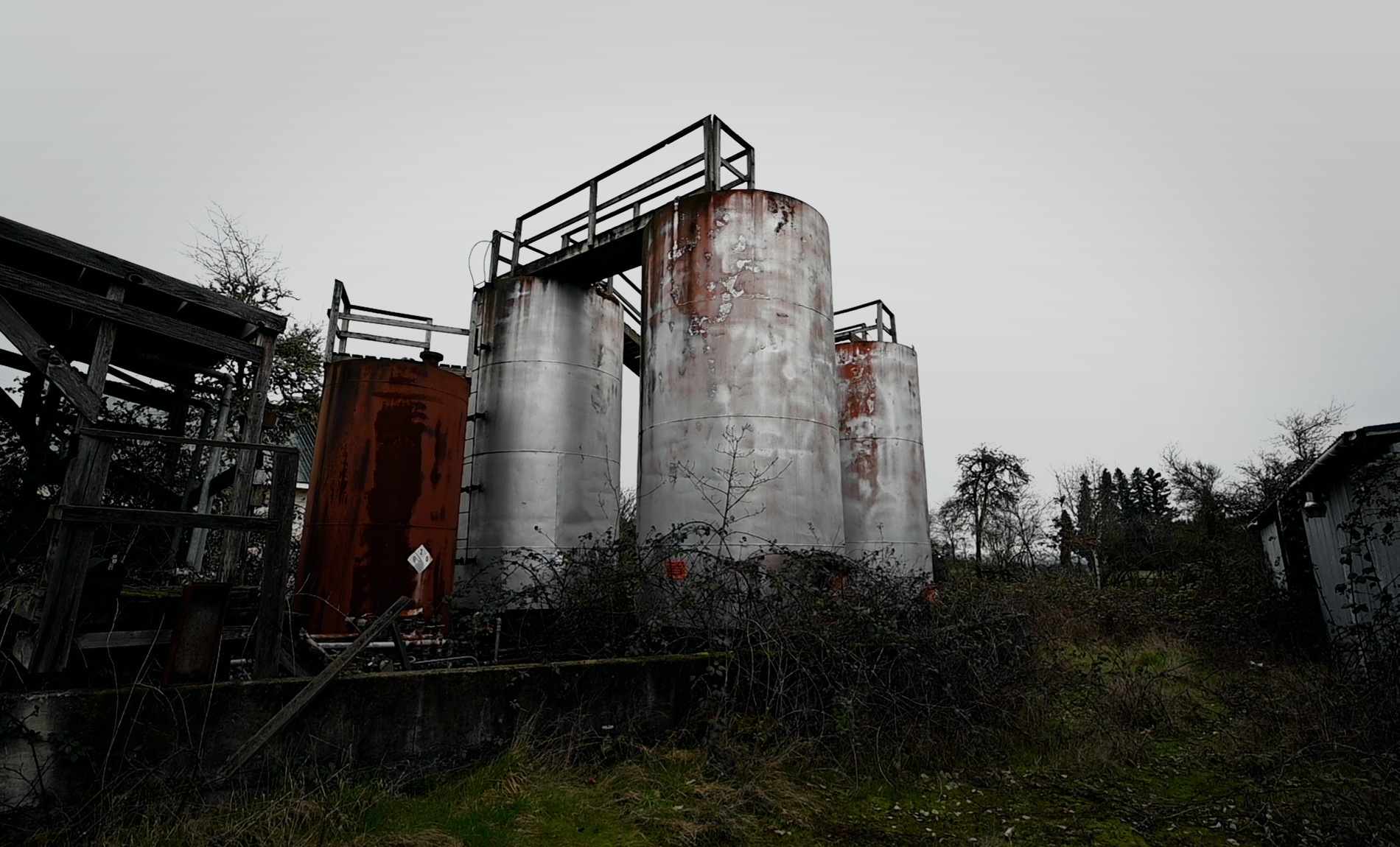
Jet A-1 needs strict segregation, dedicated or fully controlled tanks, regular water draining and filtration. Airport systems add operating requirements that an industrial-fuel delivery does not cover.
Particulates, free water, foreign products or microbial growth can make an apparently conforming lot unacceptable for aviation until investigated and released.
Traceability should cover refinery, terminal, tank, transport to airport and delivery point. KaizenGTC facilitates commercial file review; technical release belongs to competent laboratories, operators and authorities.
| Element | Verification |
|---|---|
| Freezing point | Critical for altitude operation; must meet the applicable specification. |
| Flash point | Safety control for storage and handling. |
| Water and particulates | Controlled through draining, filtration and documented testing. |
| Density and distillation | Confirm kerosene behaviour and quantity calculations. |
| Release certificate | Links COA, tank, recertification and airport chain. |
Useful Jet A-1 context is not a generic consumer list, but the network of refineries, terminals and airport hubs able to handle aviation fuel under recognised procedures.
| Market | Role | Context |
|---|---|---|
| International airport hubs | AVIATION DEMAND | Demand follows air traffic, airport storage and fuel-farm operators. |
| Refineries producing kerosene | SUPPLY | Availability depends on cut, treatment and aviation certification. |
| Terminals connected to airports | CRITICAL LOGISTICS | Filtration, segregation and recertification condition delivery. |
Sources: JIG listing - DEF STAN 91-091 jet fuel specification; ASTM D1655 aviation turbine fuels specification; Joint Inspection Group - aviation fuel supply standards; U.S. EIA - Refining crude oil: the refining process; U.S. EIA - Oil and petroleum products explained
Applicable specification, COA and lot release or recertification certificate.
SDS, quantity certificate, tank, filtration/drain report and custody record.
Airport route, terminal operator, transfer point and acceptance conditions.
The fuel circulates at very low temperatures in flight; non-compliance can affect flow and safety.
No. It is kerosene-type aviation fuel with its own specifications and handling chain.
DEF STAN 91-091, ASTM D1655 and joint aviation fuel requirements are common references, depending on contract and jurisdiction.
Through tank draining, filter/separators, visual or instrument tests and operating records.
COA, release or recertification certificate, SDS, quantity, tank, inspection and custody.
No. KaizenGTC facilitates trade and document review; technical release belongs to competent operators, laboratories and authorities.