
Specification
Fuel-oil specification, viscosity, sulphur, density, handling temperature and intended use.
D6 fuel oil reviewed through viscosity, sulphur, heated handling and end-use compatibility.
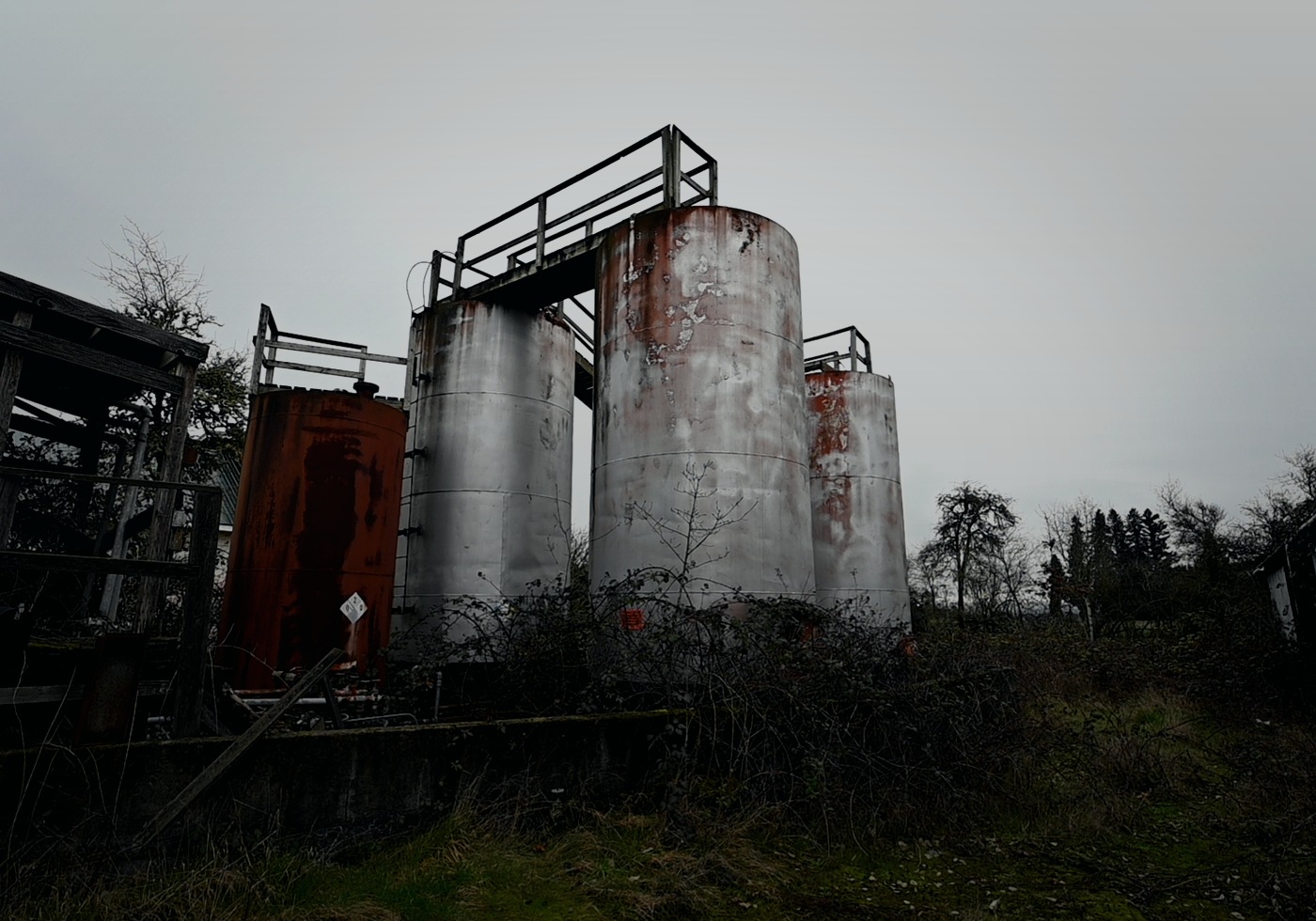
D6 is used in physical trade as a commercial label for heavy residual fuel oil or heavy blends, not as a stronger version of D2. It is not, by itself, a universal ASTM designation: if ASTM D396 is invoked contractually, the applicable grade, for example Grade No. 6, and the edition must be explicitly identified.
Specification, viscosity, sulphur, handling temperature and end use remain contract-specific; in residual-fuel operations, density, water, sediment and pumping temperature also decide whether the lot can be discharged, stored and burned safely.
Commercial review has to confirm the receiving equipment. An industrial boiler, power plant or permitted marine consumer may require different limits and handling.
Heavy refinery streams are conditioned into a contractual grade.
The blend is controlled for reference temperature and pumping system.
Sulphur, density, water, sediment, ash and heating value are measured where relevant.
The lot is held at a temperature compatible with transfer and storage.
Discharge requires pumps, lines and burners suitable for heavy fuel oil.
Viscosity is the technical centre of D6: the test temperature and practical pumping temperature must be named. Without that relationship, logistics remain incomplete.
Sulphur should be reviewed against contract, environmental regulation and final use. In marine or industrial applications, applicable limits vary by zone, installation and emissions rule.
Density, flash point, water and sediment, ash, metals and heating value also matter. A useful COA does not merely say "D6"; it shows whether the lot can be handled and burned by the intended facility.

D6 commonly needs heat for transfer, storage and atomisation. The terminal should confirm heated tanks, compatible lines, steam or thermal tracing and the discharge procedure.
Commercial risk appears when it is sold as generic fuel without checking whether the buyer can receive heavy fuel oil. Temperature, pumps, filters, injection viscosity and tank cleanliness should be documented.
Custody must connect COA, tank, vessel or truck, quantity and delivery point. Water, sediment or blend incompatibility can turn a low-priced cargo into an expensive rejection.
| Element | Verification |
|---|---|
| Viscosity | State method, reference temperature and operational pumping range. |
| Sulphur | Confirm contractual, environmental and end-use limit. |
| Density and heating value | Support energy yield and quantity calculations. |
| Water, sediment and ash | Affect combustion, filters, tanks and maintenance. |
| Handling temperature | Must align with terminal, transport and receiving equipment. |
D6 belongs to the residual-fuel market, where value depends on specification, emissions regime and heated-handling capacity. It should not be read as road-diesel demand.
| Market | Role | Context |
|---|---|---|
| Industrial plants and generation | THERMAL DEMAND | Buyers depend on viscosity, sulphur and heated-handling capability. |
| Residual marine market | BUNKERING / REGULATION | Acceptance depends on sulphur limits, operating zone and fuel compatibility. |
| Fuel-oil refineries and terminals | SUPPLY / STORAGE | Availability comes from residual streams, blends and specialised tanks. |
Sources: U.S. EIA - Oil and petroleum products explained; U.S. EIA - Refining crude oil: the refining process; ASTM D396 fuel oils specification; IMO - Sulphur 2020 fuel oil limits
Fuel-oil specification, viscosity, sulphur, density, handling temperature and intended use.
COA, SDS, quantity, inspection, tank record, water/sediment report and heating value.
Heated tank, discharge procedure, pumps, transfer temperature and custody chain.
No. In physical trade D6 is commonly used as a commercial label for heavy residual fuel oil; it is not a universal ASTM designation by itself. If the contract cites ASTM D396, the applicable grade and edition must be stated.
Heavy fuel-oil viscosity can prevent pumping, atomisation or discharge when temperature is not adequate.
Viscosity, sulphur, density, water/sediment, flash point, ash, metals and heating value.
Only where the fuel meets specification, emissions rules and receiving equipment requirements.
A COA with test methods, tank, date, viscosity temperature and contractual limits.
Treating D6 as a simple liquid fuel without confirming heating, pumping and burner compatibility.