
Specification
Composition, vapour pressure, sulphur, water, residues and odourant specification where applicable.
LPG reviewed through composition, vapour pressure, pressurised storage and delivery channel.
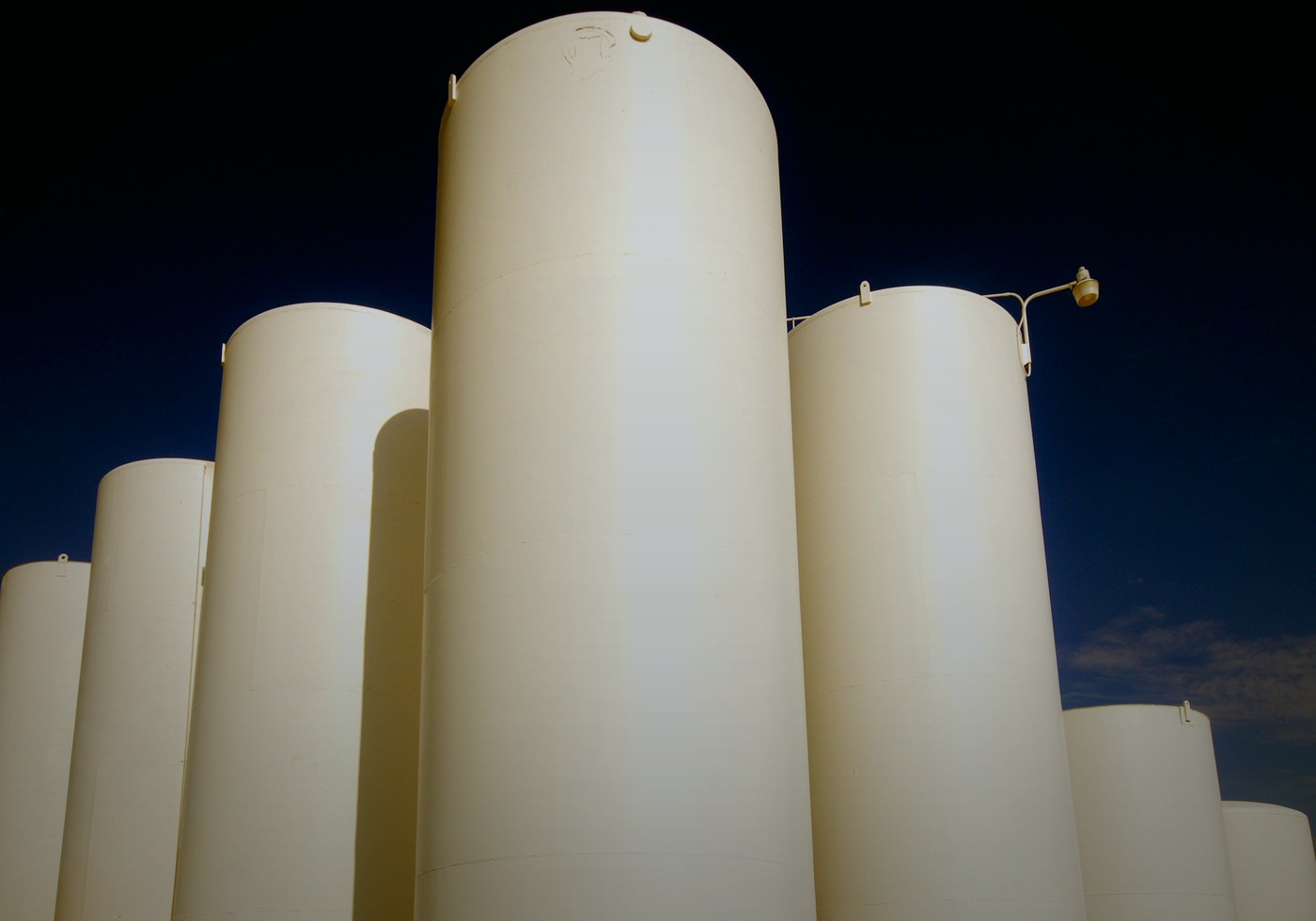
LPG is a family of liquefied petroleum gases, usually propane, butane or C3/C4 mixtures. It is kept liquid by moderate pressure, not by the cryogenic regime used for LNG.
Composition changes commercial behaviour: vapour pressure, density, cold-weather performance, suitability for cylinders, autogas or industrial bulk supply and safety requirements.
The review should confirm whether the offer is propane, butane, a commercial mix or a specific grade. Without composition and vapour pressure, the LPG name is insufficient.
Natural-gas or refinery streams supply light hydrocarbons.
Fractionation produces propane, butane or commercial mix.
Composition, vapour pressure, sulphur, water and residues are controlled.
Tanks, spheres or cylinders keep the product liquid.
Dispatch by LPG carrier, railcar, bulk truck or cylinder.
C3/C4 composition decides pressure, vaporisation and use. Butane-rich LPG behaves differently from propane-rich LPG, especially at low ambient temperature.
Vapour pressure must fit the tank, cylinder, transport mode and local regulation. Sulphur, water, residues, corrosion and odourant are also checked where required.
The COA should state method, sample, date, tank and composition. For LPG, a cylinder photograph or volume promise is not enough.
LPG logistics use pressure vessels: spheres, horizontal tanks, railcars, road tankers, cylinders or specialised ships. Each channel needs valves, pressure relief and safety procedures.
The buyer should review connection compatibility, unloading capacity, dangerous-goods permits, mass/volume and temperature. Cylinders add tare, periodic inspection and container traceability.
LPG is not managed as LNG. It does not need cryogenic tanks, but pressure, leak detection, ventilation, classified areas and emergency procedures are essential.
| Element | Verification |
|---|---|
| C3/C4 composition | Defines pressure, vaporisation, heating value and end-use suitability. |
| Vapour pressure | Must fit container, transport and regulation. |
| Sulphur and corrosion | Affect safety, equipment and compliance. |
| Water and residues | May cause blockage, corrosion or vaporisation problems. |
| Odourant | Required in many end-user distribution applications. |
LPG context is organised by channels: residential/commercial, autogas, industry, petrochemicals and markets without natural-gas grids. Useful geography is pressurised terminals and bulk or cylinder distribution.
| Market | Role | Context |
|---|---|---|
| Cylinder-distribution regions | RESIDENTIAL / COMMERCIAL DEMAND | Access depends on filling, safety and distribution network. |
| Petrochemical centres | FEEDSTOCK | Propane and butane can feed cracking, alkylation or other processes. |
| Coastal and inland LPG terminals | LOGISTICS | Ships, spheres, railcars and trucks connect supply to users. |
Sources: U.S. EIA - Transporting and storing hydrocarbon gas liquids; U.S. EIA - Hydrocarbon gas liquids explained
Composition, vapour pressure, sulphur, water, residues and odourant specification where applicable.
COA, SDS, quantity certificate, tank/cylinder record and independent inspection.
Permits, transport class, valves, unloading, custody and receiver compatibility.
No. LPG is pressurised propane/butane; LNG is mostly methane liquefied by cryogenic cooling.
It changes vapour pressure, vaporisation, cold-weather performance and final use.
By LPG carriers, railcars, pressurised road tankers, bulk tanks or cylinders, depending on volume and channel.
Composition, temperature and specification; it must be compatible with vessel and regulation.
Composition COA, SDS, quantity, tank or cylinder record, inspection and dangerous-goods transport documents.
Yes when the mixture, regulation, station and vehicle are compatible with automotive LPG.