
Channel
Declare malting, feed or food barley; do not mix quality categories.
Barley separated between malting and feed from the first certificate.
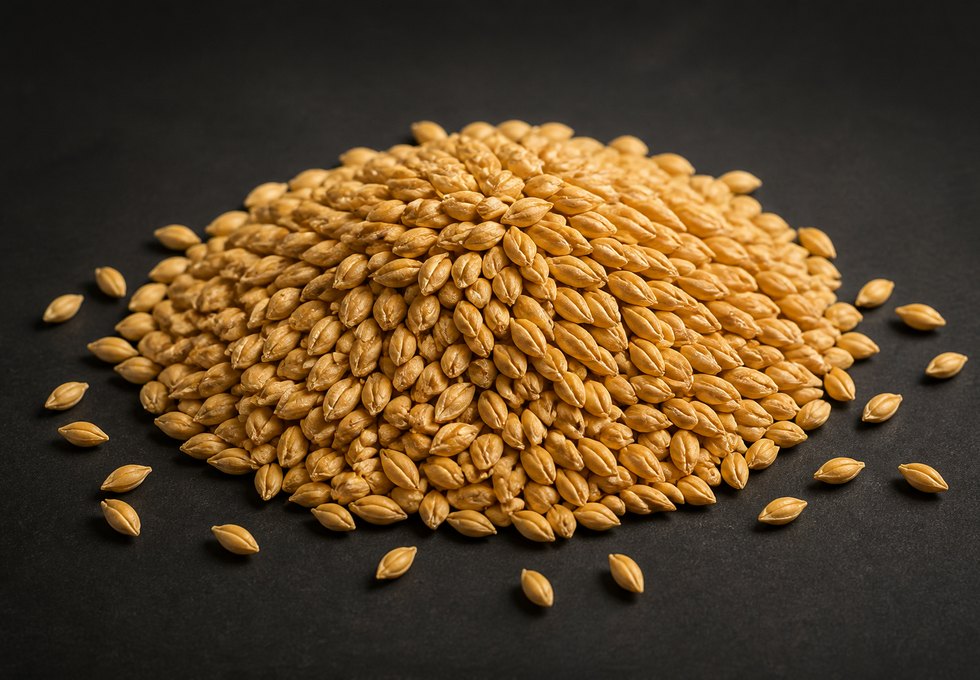
Malting barley and feed barley are not bought under the same logic. In malting, germination, variety, protein, plumpness and dormancy can decide whether the lot enters the process or is discounted to feed.
A lot with protein, screenings or damage outside specification may still have feed use but fail to support malting barley value.
Documentation should separate intended use, variety, crop year, moisture, germination and storage conditions that protect viability.
Avoid sprouting and damage that affect germination or feed condition.
Separate fines, impurities and small kernels.
Maintain identity where required by the malt buyer.
Confirm viability, protein, moisture and plumpness.
Protect germination with suitable moisture, temperature and ventilation.
Germination is central to malting because the kernel must respond to the malting process. Protein, plumpness and uniformity influence extract and performance.
Feed barley is read more through condition, moisture, weight, impurities, mycotoxins and availability. It should not be described as malting barley without supporting tests.
Dormancy and variety may be relevant by region and buyer and should be treated as contractual requirements rather than universal guarantees.
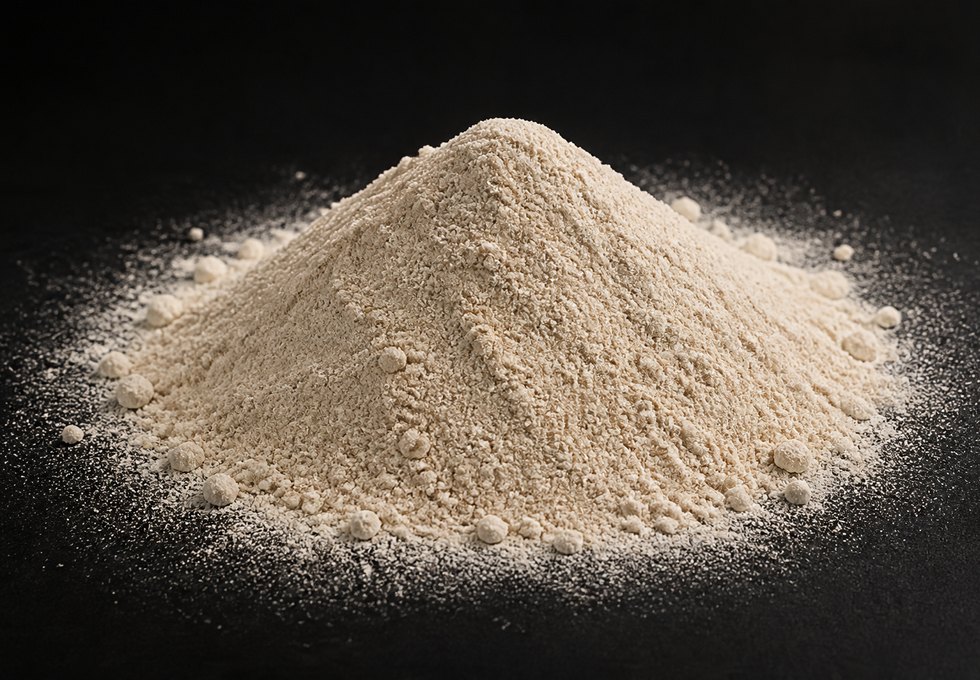
Moisture, heating, insects, varietal mixing and loss of germination can change the commercial channel of the lot.
Mycotoxin and residue limits depend on food, feed or local regulation. The contract should state the applicable reference.
KaizenGTC facilitates file review; it does not certify germination or operate malting facilities.
| Element | Verification |
|---|---|
| Germination | Critical for malting; must come from lot testing. |
| Protein | Acceptable range depends on maltster, feed or food use. |
| Kernel size / screenings | Plumpness and fines affect malting, yield and discounts. |
| Variety | May be a malt-buyer requirement. |
| Mycotoxins | Reviewed by destination and contract. |
USDA PSD 2025/26 and FAOSTAT 2024 provide production and trade context. Malting demand should be read separately from feed use.
| Market | Role | Context / period |
|---|---|---|
| European Union, Australia, Canada and Black Sea | PRODUCTION / EXPORT | Relevant origins with crop-year differences in malting and feed barley. |
| China, Middle East and North Africa | IMPORT / FEED OR MALT | Imports may respond to feed, beer or supply-security demand by period. |
| Maltsters and brewers | INDUSTRIAL DEMAND | Require tighter germination, variety and plumpness controls than feed. |
Sources: USDA FAS Production, Supply and Distribution · Canadian Grain Commission Official Grain Grading Guide · USDA AMS grain standards · FAOSTAT crops and livestock products · Codex Alimentarius food standards
Declare malting, feed or food barley; do not mix quality categories.
Germination, protein, moisture, plumpness, screenings, variety and mycotoxins where applicable.
Origin, crop year, storage history, phytosanitary certificate, fumigation where applicable and shipment documents.
Malting barley must preserve germination, variety, protein and kernel size for malting; feed barley follows a different nutritional and condition logic.
Malting requires the grain to germinate under controlled conditions; low germination can push the lot into feed.
No. In malting, protein ranges that are too high or too low can be a problem; the target depends on the buyer.
Small kernels or material separated by screening, relevant for yield, plumpness and discounts.
Only if the lot meets malting specification and has coherent test evidence; the trade name is not enough.