
Identity
Declare pseudocereal, origin, crop year, type and commercial form.
Buckwheat treated as a pseudocereal, not botanical wheat.
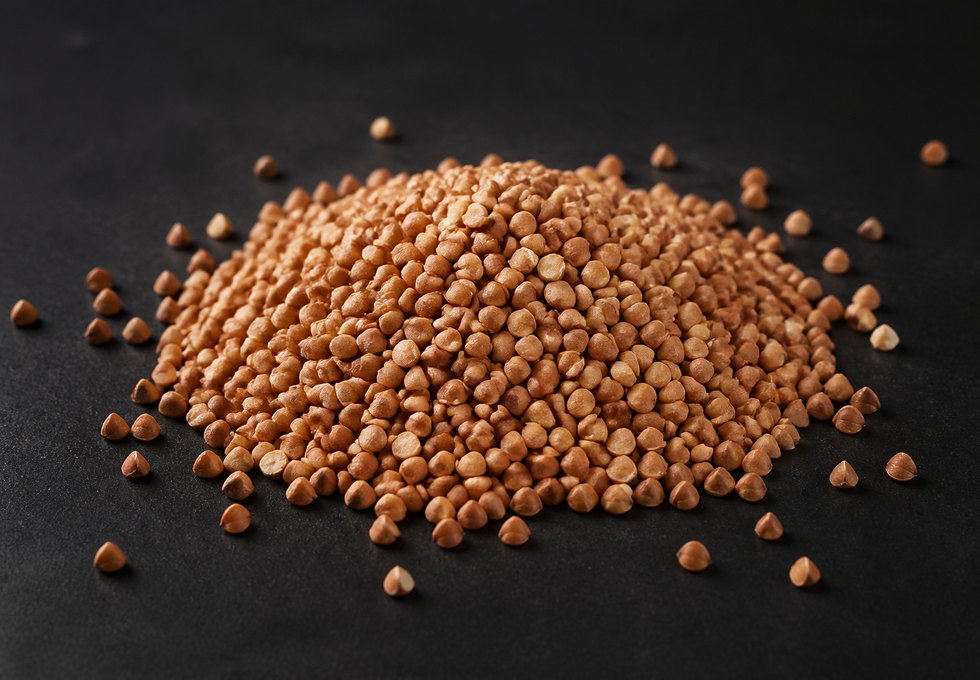
Buckwheat is a pseudocereal. It is not botanically wheat and should not be sold under bread-wheat gluten logic. Its commercial reading is built around grain, groats, flour, hulls, purity and food use.
Cleaning and dehulling matter because the buyer may need whole grain, groats or flour. Hull content, foreign seeds or broken kernels affect yield.
Where used in gluten-free products, documentation should address cross-contact and facility requirements where the buyer requires them.
Identify origin, crop year, type and grain condition.
Separate impurities, foreign seeds, dust and light material.
Control size, colour, integrity and moisture.
Produce groats where the buyer requires dehulled kernels.
Mill into flour or prepare grain/groats for food-grade dispatch.
Lot purity matters more than terminology. Buckwheat with impurities or foreign seeds can fail food use even where the trade name is correct.
Dehulling defines groats and changes yield. Hulls can be a by-product, but they are not the main food product.
Bread-wheat gluten metrics should not be used except to explain that they do not apply as wheat.
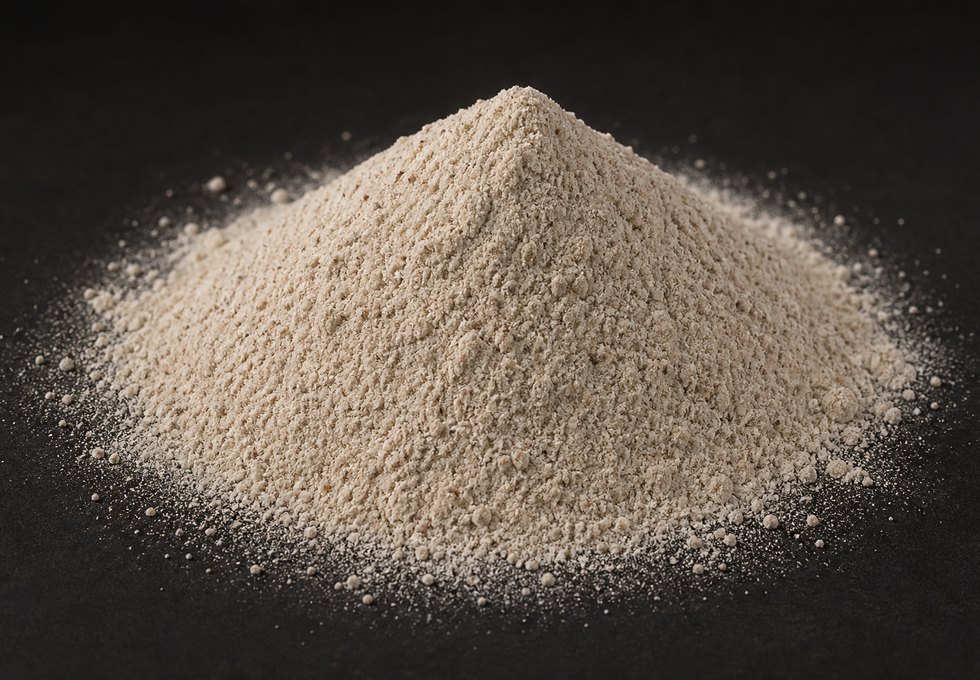
Moisture, odour, insects, breakage and cross-contact can affect acceptance. In gluten-free chains, the contract should require specific statements and controls.
Variety, origin and processing can have value for buyers of groats, flour or regional foods.
KaizenGTC facilitates document review; it does not certify gluten-free status or process buckwheat.
| Element | Verification |
|---|---|
| Whole grain | Raw material for cleaning, dehulling or later milling. |
| Groats | Dehulled kernels for food or processing. |
| Flour | Milled product; should document process and food use. |
| Hulls | May be a by-product; not the same as groats. |
| Gluten | Not evaluated like bread wheat; cross-contact depends on facility. |
FAOSTAT 2024 provides buckwheat production context. The market combines regional production, food niches and demand for groats or flour.
| Market | Role | Context / period |
|---|---|---|
| China, Russia, Ukraine and other producers | PRODUCTION | Production context according to FAOSTAT 2024 series. |
| Europe and Asia | REGIONAL CONSUMPTION | Demand linked to traditional foods, groats and flour. |
| Gluten-free and natural-food markets | FOOD NICHE | Require segregation controls and specific statements. |
Sources: FAOSTAT crops and livestock products · Canadian Grain Commission Official Grain Grading Guide · Codex Alimentarius food standards · UN Comtrade Database
Declare pseudocereal, origin, crop year, type and commercial form.
Moisture, purity, foreign matter, broken kernels, hull content and odour.
Dehulling, milling, food safety, phytosanitary certificate, origin and packing.
No. It is a pseudocereal and is not botanically wheat.
They are dehulled buckwheat kernels used as food or processing material.
Not like bread wheat. Gluten-free or cross-contact statements are reviewed only where the contract requires them.
It defines yield, commercial form and suitability for groats or flour.
Confusing grain with groats, flour or hulls, or failing to declare lot purity and origin.