
Identity
Species/type, origin, colour, crop year and intended use.
Millet treated as a small-seeded cereal group, not one uniform species.
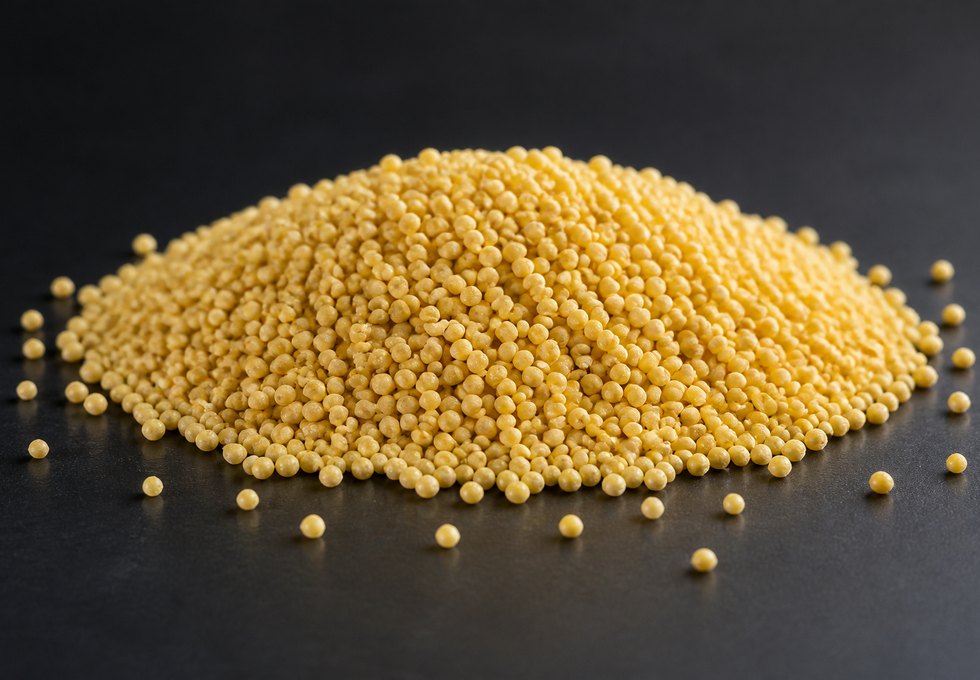
Millet is a commercial category that may cover pearl millet, foxtail millet, proso millet and other small-seeded cereals depending on origin and contract. Species or type should be declared when it affects use, price or regulation.
Its role in semi-arid regions and food security does not replace lot review. Moisture, cleanliness, foreign seeds, infestation, odour and packing remain decisive.
Comparison with sorghum or wheat should not hide differences in grain size, local processing and food destination.
Identify species, colour, origin and food or feed route.
Remove dust, foreign seeds, stones and fine material.
Stabilise moisture before packing or storage.
Separate by size, colour, damage, infestation and purity.
Choose bags, container or bulk by market and shelf-life risk.
The word millet without species or type may be insufficient for an international buyer. The contract should state identity, cleaning level and intended use.
Because the grain is small, impurity and foreign-seed control are critical. Infestation and moisture can affect shelf life on long routes.
For human food, colour, odour, purity and packing are often more demanding than for feed.
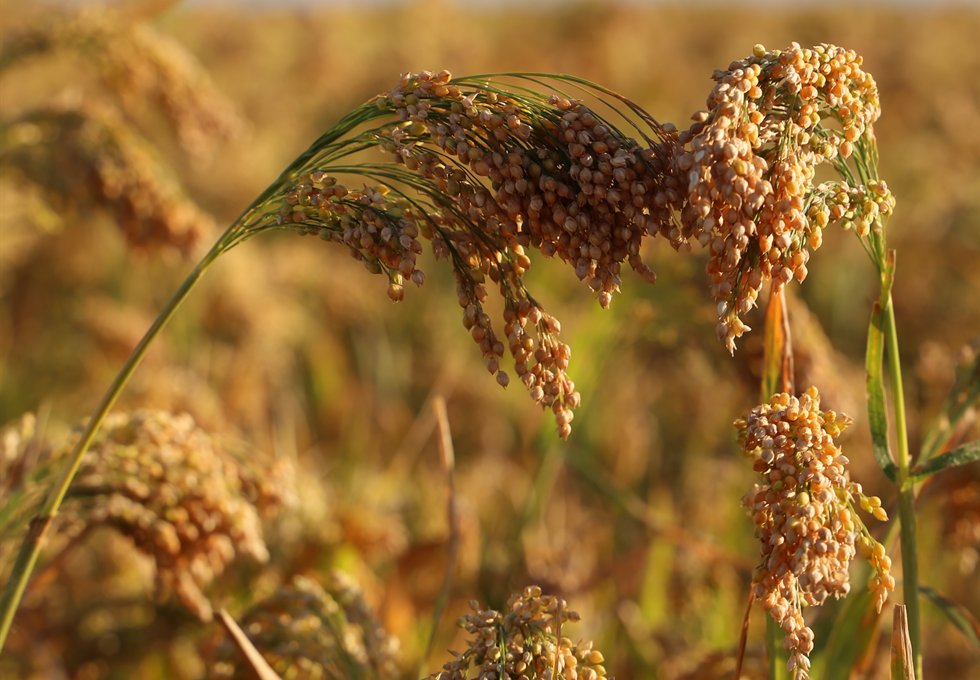
Millet may move in bags, containers or regional bulk. Choice depends on market, cleanliness, value and infestation risk.
Food-safety requirements are destination-specific; universal residue or contaminant thresholds should not be promised.
KaizenGTC facilitates commercial and document coordination without claiming production or guaranteed availability.
| Element | Verification |
|---|---|
| Species / type | Pearl, proso, foxtail or another commercial type where relevant. |
| Moisture | Basis for storage and shelf life. |
| Cleanliness | Foreign matter and other seeds can change acceptance. |
| Infestation | Central risk in small grain and food markets. |
| Use | Human food, feed or regional processing. |
FAOSTAT 2024 and FAO Millets provide production and food-security context. For millet, global trade rankings should not be forced where data are less standardised.
| Market | Role | Context / period |
|---|---|---|
| India and South Asia | PRODUCTION / CONSUMPTION | Important production and regional-food context. |
| West Africa and semi-arid zones | FOOD SECURITY | The crop is linked to resilience in dry systems. |
| Food and ethnic niches | SPECIALISED DEMAND | Buy by species, cleanliness, packing and origin. |
Sources: FAOSTAT crops and livestock products · FAO International Year of Millets · Codex Alimentarius food standards · UN Comtrade Database
Species/type, origin, colour, crop year and intended use.
Moisture, purity, impurities, infestation, odour, size and damage.
Phytosanitary certificate, fumigation where applicable, packing list, weight and shipping documents.
Not necessarily. It can cover several cultivated species or types; the offer should declare this where commercially relevant.
Many millet species are adapted to dry systems and support regional food security.
Human food usually requires tighter cleaning, acceptable odour, purity, packing and documented safety.
Where it affects price, use or buyer requirement, species or commercial type should be included.
Impurities, infestation, moisture and species mixing can affect acceptance.