
Type
Red, white, feed, food or industrial sorghum, with origin and crop year.
Sorghum read as a dryland grain with feed, food and industrial uses.
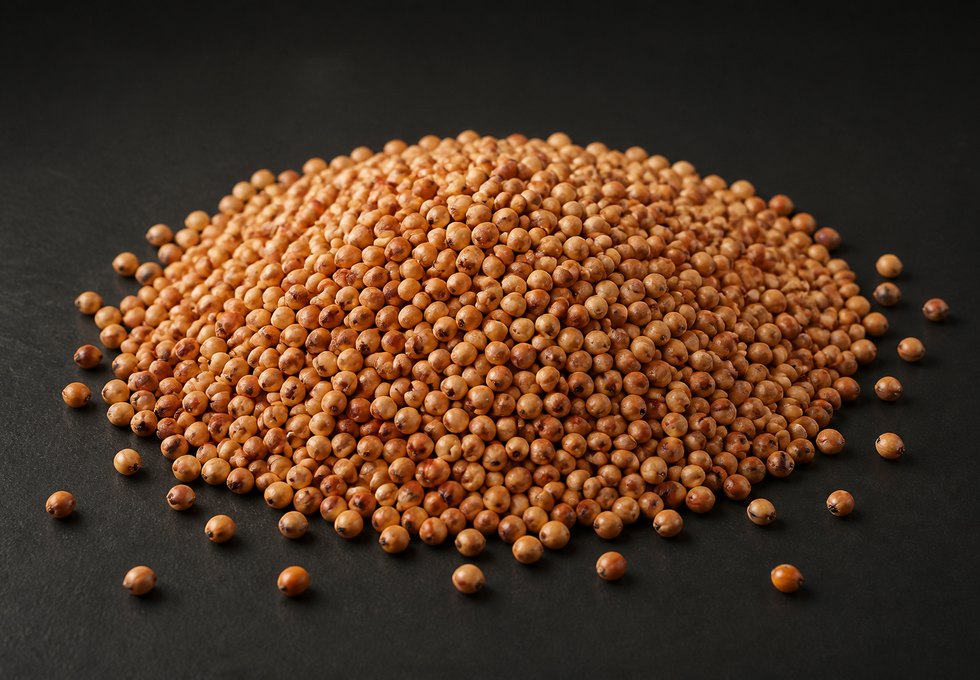
Sorghum competes in some feed and industrial channels, but its commercial identity includes dry-system adaptation, colour, type, possible tannin content and food or feed requirements.
Red, white, food-grade or feed sorghum may require different readings. Tannins, moisture, test weight, damaged kernels, foreign material and mycotoxins should connect to destination.
Its role in dryland farming does not remove the need for lot certificates and food-safety evidence.
Confirm type, colour, crop year and initial moisture.
Adjust moisture where the lot requires it for storage.
Remove impurities, dust and foreign material.
Measure test weight, damage, tannins where relevant and contaminants.
Assign feed, human food, ethanol or industrial use according to specification.
Tannin content can matter in some types and destinations because it affects nutritional or food use. It should not be stated as a universal requirement where the contract does not need it.
Feed sorghum prioritises condition, moisture, mycotoxins, impurities and nutritional value; white food sorghum may require tighter colour, cleanliness and purity.
Sorghum for ethanol or other industrial uses is reviewed by process yield and contract, not by a simple analogy with corn.
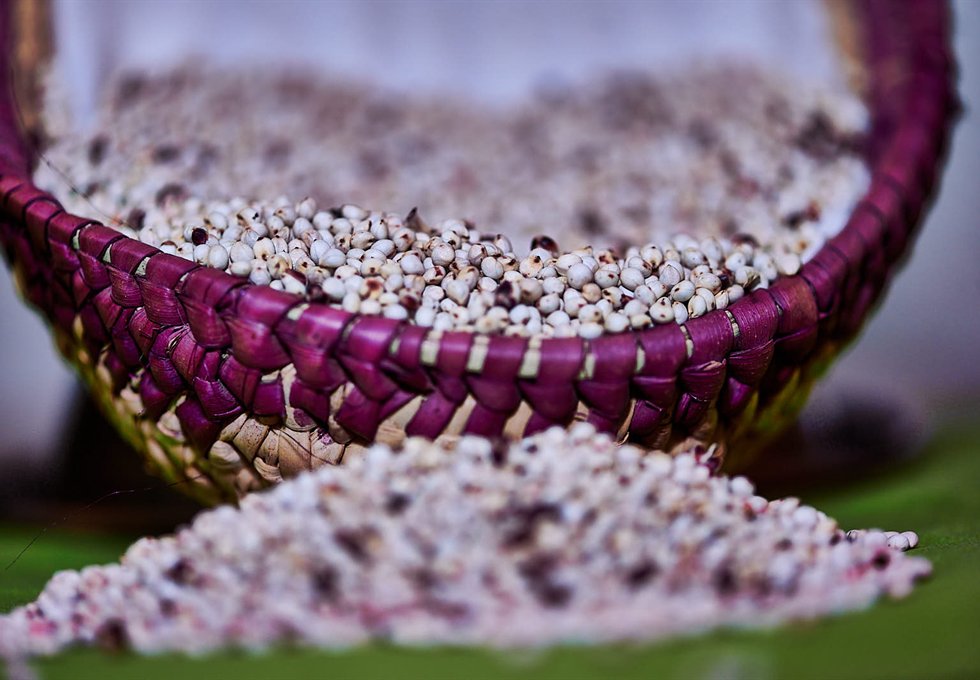
Moisture, dust, insects, mould and type mixing can affect acceptance. Segregation by colour, food/feed use and tannins protects value.
Mycotoxins or contaminants are evaluated by destination and applicable regulation. There is no single global reading for all sorghum.
KaizenGTC coordinates document review and commercial access; it does not produce sorghum or guarantee stock.
| Element | Verification |
|---|---|
| Type / colour | Red, white, food or feed may have different markets. |
| Tannins | Relevant where type, use or buyer requires it. |
| Moisture | Control for storage, mould and transit. |
| Test weight | Density and physical grain condition. |
| Damage / impurities | Affect grade, yield and acceptance. |
USDA PSD 2025/26 and FAOSTAT 2024 provide sorghum and coarse-grain context. Comparison with corn should separate production, export, import and use.
| Market | Role | Context / period |
|---|---|---|
| United States, Argentina and Australia | PRODUCTION / EXPORT | Relevant origins in trade, with crop-year variation. |
| China, Mexico and regional feed markets | IMPORT / USE | Demand may depend on feed, relative price and industry. |
| Semi-arid Africa and Asia | FOOD / RESILIENCE | Regional production and consumption context in dry systems. |
Sources: USDA FAS Production, Supply and Distribution · USDA ERS corn and other feed grains · USDA AMS grain standards · FAOSTAT crops and livestock products · Codex Alimentarius food standards
Red, white, feed, food or industrial sorghum, with origin and crop year.
Moisture, test weight, impurities, damaged kernels, tannins where applicable and mycotoxins.
Phytosanitary certificate, origin, fumigation where applicable, bill of lading and destination segregation.
It may compete in feed, but it has its own identity, markets, types, possible tannins and agronomic behaviour.
In some sorghum types it affects nutritional or food use and should be declared where the contract requires it.
No. It can also serve food and industrial uses, depending on type, country and specification.
Sorghum is relevant in dryland and semi-arid systems because of adaptation, but the lot still needs technical documentation.
No. They should be reviewed by destination, regulation and contract.