
Commercial use
State feed, food, starch, ethanol, industrial, colour and GMO/non-GMO status where applicable.
Corn read by commercial use, moisture and grain condition.
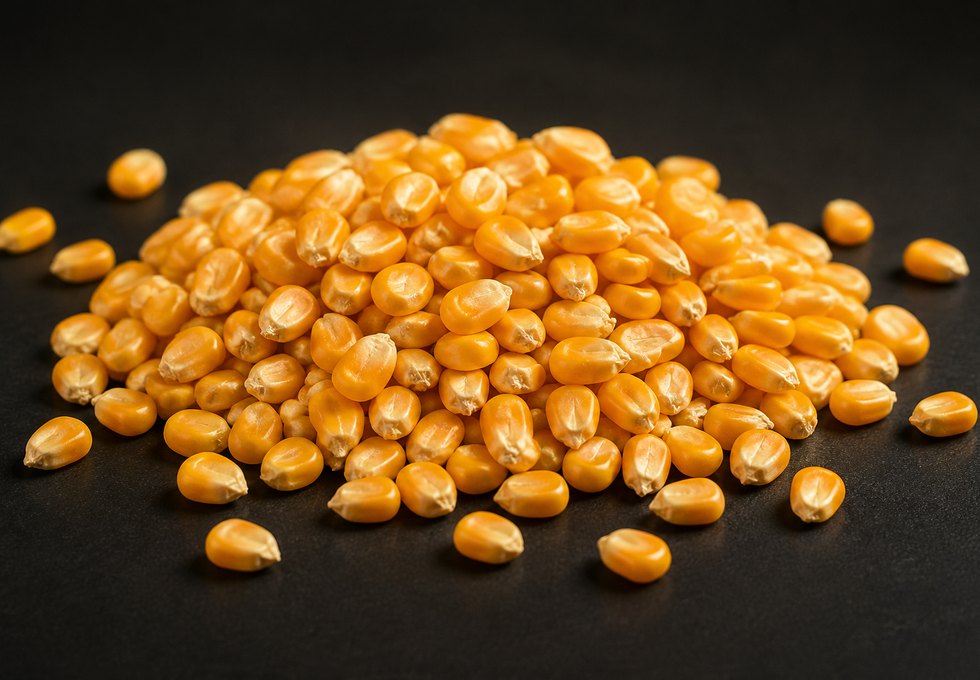
Corn can move into feed, human food, starch, ethanol or industrial processing. The offer should state type, colour, origin, crop year, moisture and whether the contract requires a GMO or non-GMO declaration.
Yellow feed corn is not reviewed like white food corn or starch corn. Moisture, broken kernels, foreign material, heat damage and mycotoxins can change acceptance and discount.
Post-harvest condition is central: drying, cleaning, grading and segregation protect grain value before storage or dispatch.
Identify colour, hybrid or commercial type and initial moisture.
Reduce moisture where needed to prevent heating and mould.
Remove impurities, fines and foreign material before grading or storage.
Measure test weight, broken kernels, damaged kernels and mycotoxin limits.
Separate feed, food, starch, ethanol or non-GMO route according to contract.
Feed may prioritise energy, condition, moisture and mycotoxin levels; human food and wet or dry milling generally require tighter controls for cleanliness, colour, odour and impurities.
Aflatoxins and other mycotoxins are destination-specific. The certificate should state method, lot and applicable contractual limit where required.
GMO or non-GMO status should not be decorative language: where it matters, it requires contractual declaration, segregation and coherent documents.
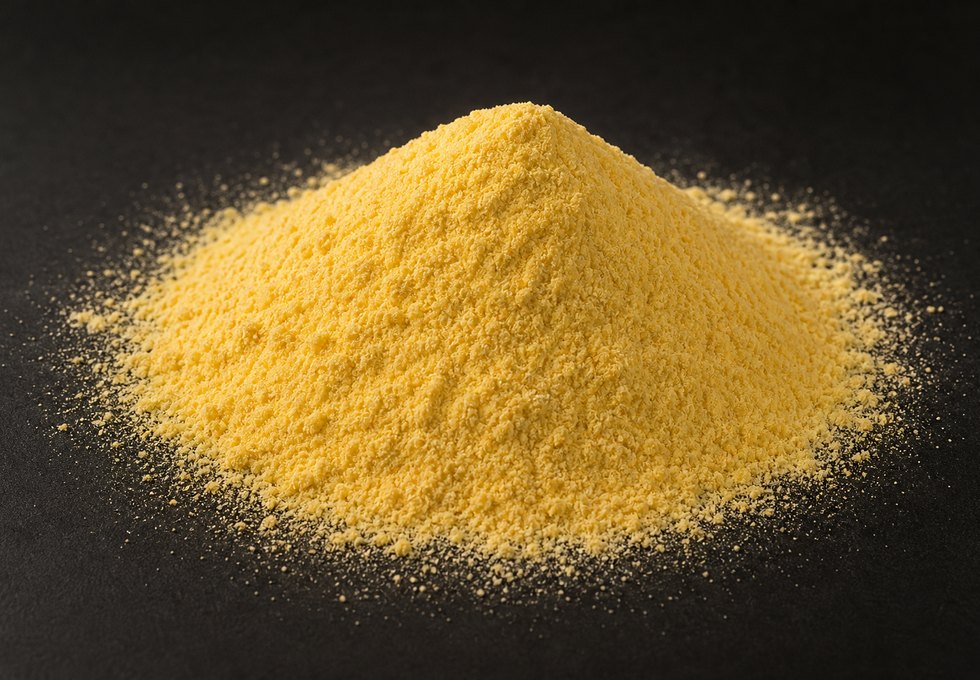
High-moisture corn can heat, mould and deteriorate in transit. Aeration, temperature and storage time should match the actual lot condition.
Segregation prevents mixing colour, use, GMO status or quality condition. In food-grade or non-GMO routes, logistics mixing can destroy buyer acceptance.
KaizenGTC reviews document consistency and facilitates the transaction; it does not certify quality or guarantee physical availability.
| Element | Verification |
|---|---|
| Moisture | Determines drying need, safe storage and mould risk. |
| Broken corn / foreign material | Affects grade, yield and commercial discount. |
| Damage and test weight | Measure physical condition, density and deterioration. |
| Mycotoxins | Aflatoxins and destination-specific limits are reviewed by contract. |
| GMO / non-GMO | Relevant only where contract or destination requires segregation and declaration. |
USDA PSD 2025/26 provides corn and coarse-grain context. Commercial reading separates production, export, import and industrial or feed use.
| Market | Role | Context / period |
|---|---|---|
| United States, Brazil and Argentina | PRODUCTION / EXPORT | Key origins in corn trade; export role is not the same as domestic consumption. |
| Mexico, Japan, Korea, China and European Union | IMPORT / USE | Import markets combine feed, food and industry depending on period. |
| Ethanol, starch and feedlots | INDUSTRIAL DEMAND | Destination changes specification, logistics and documents. |
Sources: USDA FAS Production, Supply and Distribution · USDA ERS corn and other feed grains · USDA AMS grain standards · FAOSTAT crops and livestock products · Codex Alimentarius food standards
State feed, food, starch, ethanol, industrial, colour and GMO/non-GMO status where applicable.
Moisture, test weight, broken corn, foreign material, damage, mycotoxins and grade certificate.
Phytosanitary certificate, origin, fumigation where applicable, bill of lading and segregation evidence.
Moisture, condition, expected energy, broken kernels, foreign material, damage and mycotoxins are often more relevant than a generic description.
It determines drying, safe storage, heating risk and possible rejection for mould or deterioration.
When the contract, destination country or buyer requires GMO or non-GMO declaration, segregation and supporting documents.
No. They may compete in feed, but their quality profile, market use and documentation are different.
No. Limits depend on destination, use and applicable regulation and should be fixed in the contract.