
Specification
Origin, crop year, moisture, protein, oil, foreign material, damage, GMO status and intended use.
Oilseed and protein crop documented by lot, crush destination and quality controls.
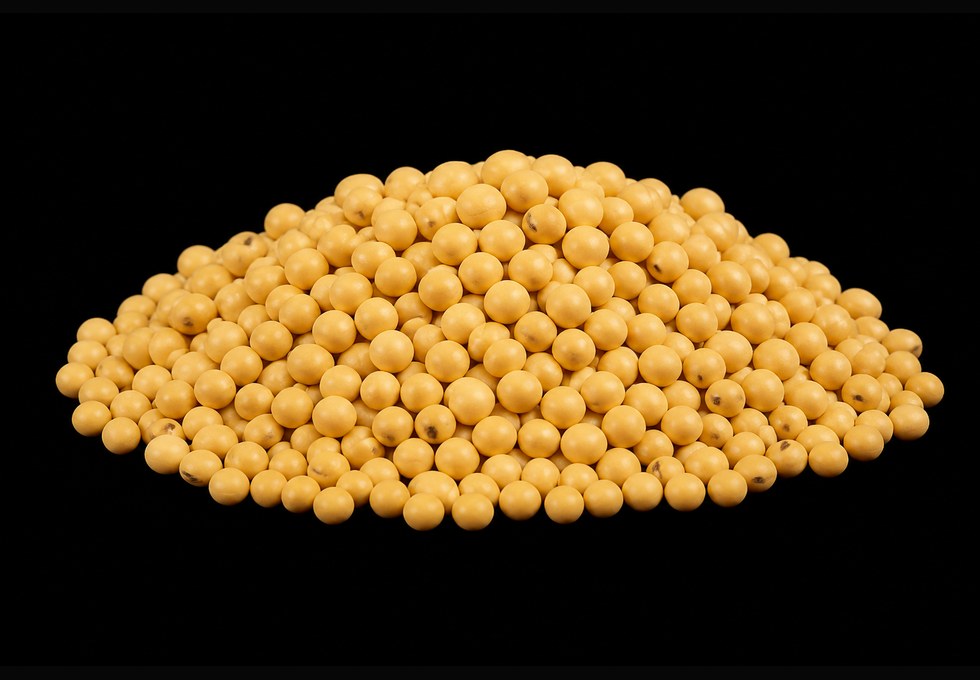
Soybeans trade as an oilseed, but their commercial value is also read through the meal and oil streams they can generate.
The bean is not soybean meal and it is not soybean oil; each downstream product has its own specification, logistics and document set.
A physical transaction turns on origin, crop year, lot condition, intended use, GMO status where relevant and traceability across certificate, contract and shipment.
Moisture, temperature and physical condition are stabilised before storage.
Foreign material, dust, damaged seed and broken material are removed.
The seed is prepared to improve dehulling and flaking efficiency.
Processing separates crude oil and protein meal according to the crusher configuration.
Documents must connect lot, origin, quality and final destination.
Protein and oil guide crush value, while moisture, heat damage, splits and foreign material can change acceptance or price adjustments.
GMO or non-GMO status is not assumed from a country or trade name; it needs contract language, segregation, testing or an accepted declaration.
Mycotoxins, residues and other contaminants are handled according to origin, storage, destination regulation and intended use, without treating a single limit as universal.
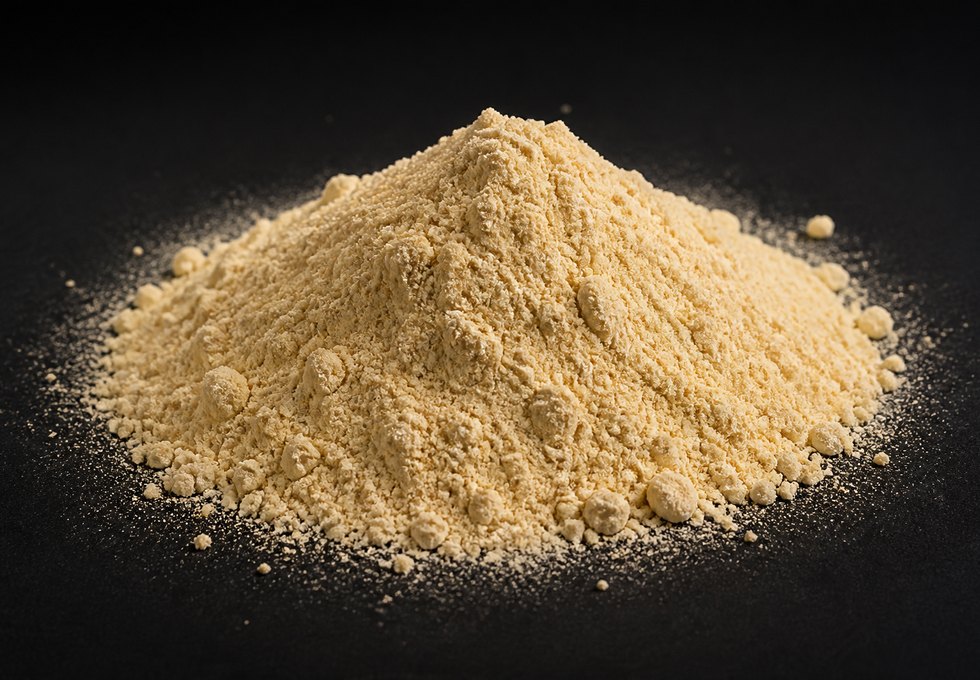
Stored soybeans require moisture control, aeration, cleanliness, temperature monitoring and pest management to limit heating, deterioration or loss of condition.
Segregation by origin, crop year, quality and GMO status keeps the commercial file coherent through elevation, transport and shipment.
KaizenGTC acts as a trade facilitator; final acceptance depends on contract terms, lot certificate, applicable laboratory and buyer requirements.
| Element | Verification |
|---|---|
| Protein | Check analytical method, moisture basis and match to the contracted lot. |
| Oil | Confirm declared content when crushing is the main destination. |
| Moisture | Align contractual limit with storage and transport safety. |
| Damage / foreign material | Separate heat damage, splits, impurities and other seed according to agreed criteria. |
| GMO status | Require declaration, test or segregated chain when the destination requires it. |
USDA FAS PSD and the September 2026 Oilseeds: World Markets and Trade circular treat soybeans as a major global oilseed for production, crush, meal and oil.
| Market | Role | Context / period |
|---|---|---|
| Brazil, United States and Argentina | PRODUCTION / EXPORT | USDA FAS 2026/27 reference for origin and exportable soybean supply. |
| China | IMPORT / CRUSH | USDA FAS 2026/27 reference for import demand and processing. |
| European Union and Southeast Asia | FEED / PROCESSING | 2026/27 context for vegetable protein and feed-chain use. |
Sources: USDA FAS Oilseeds: World Markets and Trade, September 2026; USDA FAS PSD Online; Codex Standard for Named Vegetable Oils
Origin, crop year, moisture, protein, oil, foreign material, damage, GMO status and intended use.
COA or inspection, phytosanitary certificate, fumigation where relevant, origin, weight, lot and shipping documents.
Consistency across contract, laboratory, warehouse, transport and delivery condition.
Protein, oil, moisture, damage, foreign material and physical condition determine yield and lot acceptability for crushing.
No. Soybeans are the raw material; meal and oil are derived products with different specifications and logistics.
It matters when the contract, destination, regulation or buyer requires segregation, declaration or specific testing.
Moisture, heating, pests, mould, mycotoxins and lot mixing can affect acceptance and commercial value.
COA or inspection, phytosanitary certificate, origin, fumigation where applicable, weight, logistics documents and lot reference should align.