
Specification
Crude, refined, RBD or agreed form; FFA, peroxide value, moisture, impurities, colour and fatty-acid profile.
Canola vegetable oil documented by refining status, technical profile and food-oil logistics.
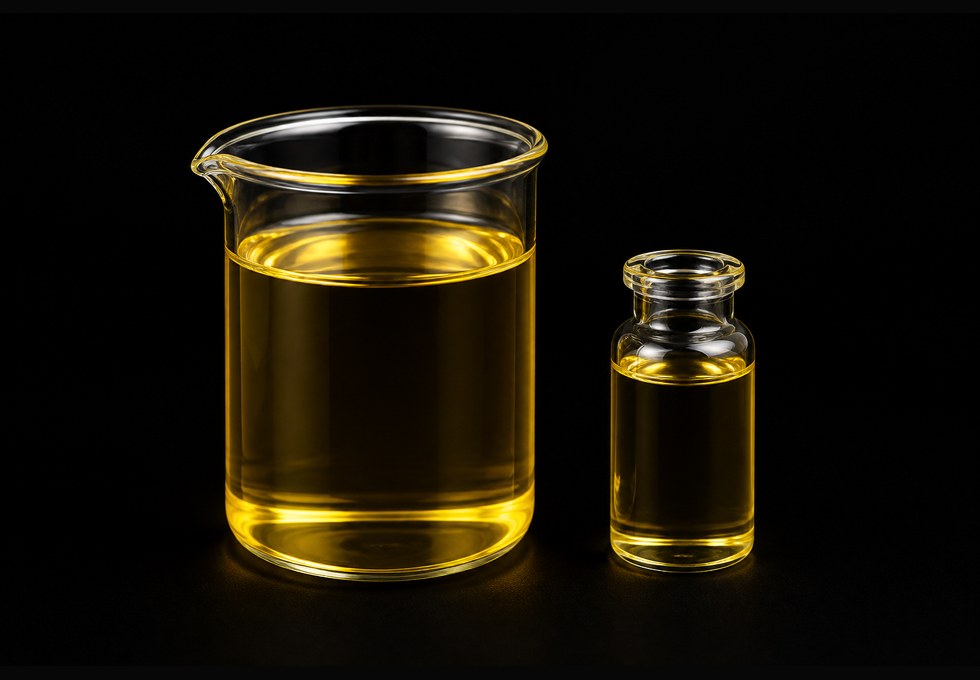
Canola oil trades by commercial form and chemical condition, not by seed parameters used to buy grain.
Crude, refined and RBD forms can serve different destinations. The contract should state refining status, origin, fatty-acid profile and food or industrial requirements.
Codex gives context for named vegetable oils, while the purchase specification remains contractual and may require tighter limits.
Cleaning, conditioning, flaking and cooking before extraction.
Crude oil is obtained and meal is separated.
Phospholipids are reduced according to the required process.
Acidity, colour, impurities and unwanted components are controlled.
Sensory condition, filtration, clean tank and final documents are aligned.
Free fatty acids (FFA), peroxide value, moisture/volatile matter, impurities, colour and odour describe oil condition and fitness for use.
The fatty-acid profile can matter for identity, nutrition, formulation or buyer compliance, but it does not replace the other quality tests.
Crude, degummed, refined, bleached and deodorised are not automatically equivalent commercial states; each term should match the COA and declared process.
Canola oil should move in tanks, flexitanks, IBCs or drums compatible with food use and an acceptable previous-cargo history.
Water, oxygen, excessive temperature, residual odours and poor cleaning can deteriorate the oil or trigger documentary rejection.
KaizenGTC facilitates file review and commercial coordination; it does not operate refineries or tanks, nor certify final lot quality.
| Element | Verification |
|---|---|
| FFA | Confirm method, unit and limit according to crude, refined or RBD form. |
| Peroxide value | Assess oxidation and expected shelf life. |
| Moisture / impurities | Control stability, sediment and deterioration risk. |
| Colour / odour | Align sensory condition with food or industrial destination. |
| Fatty-acid profile | Verify identity and formulation requirements where relevant. |
USDA FAS reports rapeseed/canola oil within major vegetable oils; 2026/27 should be read by separating seed, crushing, oil and meal.
| Market | Role | Context / period |
|---|---|---|
| Canada | PRODUCTION / EXPORT | 2026/27 context for the canola chain and associated oil. |
| European Union | CONSUMPTION / PROCESSING | 2026/27 market for food, biodiesel and refining. |
| China, Japan and United States | IMPORT / END USE | Destinations where oil form and technical documents affect acceptance. |
Sources: USDA FAS Oilseeds: World Markets and Trade, September 2026; USDA FAS PSD Online; Codex Standard for Named Vegetable Oils
Crude, refined, RBD or agreed form; FFA, peroxide value, moisture, impurities, colour and fatty-acid profile.
COA, refining status, origin, food declaration where relevant and shipping documents.
Tank/flexitank history, cleaning, seals, compatibility and temperature control.
Crude oil retains components that refining can remove; refined oil may pass through degumming, neutralisation, bleaching or deodorising depending on process.
RBD means refined, bleached and deodorised, and it should be supported by process description and COA.
FFA indicates acidity or hydrolysis, while peroxide value indicates oxidative condition; both influence acceptance.
No. The oil needs its own chemical specification, refining form and logistics documents.
Cleanliness, previous cargo, water, seals, temperature, tank material and compatibility with food use.