
Specification
Conventional, high-oleic, crude, refined or RBD; FFA, peroxide value, moisture, colour and odour.
Vegetable oil documented by oleic profile, refining status, oxidative stability and food use.
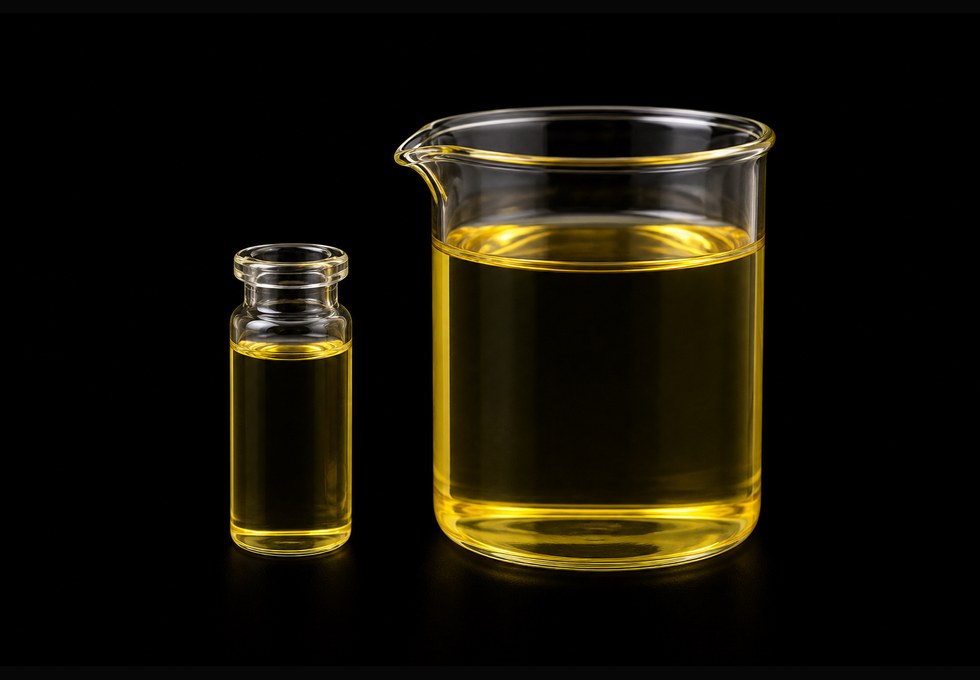
Sunflower oil should be identified by fatty-acid profile and refining status, especially when high-oleic quality is declared.
Conventional linoleic oil and high-oleic oil are not equivalent for frying, formulation, stability or labelling.
The transaction should separate sunflower seed from the resulting oil: the oil needs its own COA, food logistics and chemical parameters.
Cleaning, optional dehulling and conditioning.
Crude oil and cake or meal are obtained.
Phospholipids and acidity are adjusted according to process.
Colour, odour and unwanted components are controlled.
Tank, flexitank, IBC or packaging is matched to destination.
High-oleic profile needs analysis or accepted documentation; it is not inferred from a generic trade name.
Peroxide value, FFA, colour, odour, moisture and impurities help assess freshness, refining and fitness for use.
For frying or food manufacturing, oxidative stability, tank history and absence of contamination are as important as price.
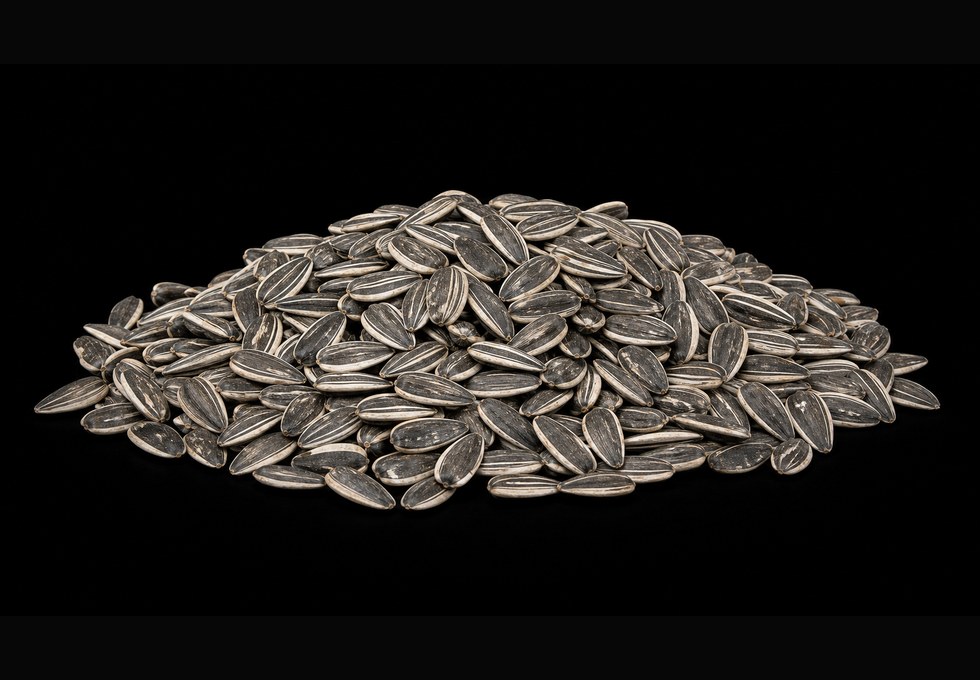
Sunflower oil can move into cooking, frying, food manufacturing or industrial uses. Each destination may require different odour, colour, stability or format.
Tanks should be clean, dry and compatible; flexitanks and IBCs require review of material, seals and heat exposure.
Acceptance is decided by oil specification, not by isolated seed quality or a generic commercial description.
| Element | Verification |
|---|---|
| Oleic profile | Distinguish conventional, high-oleic or another supported composition. |
| Peroxide value | Control initial oxidation and storage condition. |
| FFA | Measure acidity according to crude or refined form. |
| Moisture / impurities | Avoid sediment, water and deterioration. |
| Colour / odour | Validate sensory fitness for food use. |
USDA FAS separates sunflowerseed and sunflowerseed oil in oilseed tables; 2026/27 should be read by product, not as one metric.
| Market | Role | Context / period |
|---|---|---|
| Black Sea region and European Union | PRODUCTION / CRUSH | 2026/27 context for sunflower oil derived from seed. |
| India, European Union and Middle East | IMPORT / CONSUMPTION | Relevant markets for edible and refined oil. |
| Argentina | EXPORT | Significant origin for sunflower oil and seed depending on crop availability. |
Sources: USDA FAS Oilseeds: World Markets and Trade, September 2026; USDA FAS PSD Online; Codex Standard for Named Vegetable Oils
Conventional, high-oleic, crude, refined or RBD; FFA, peroxide value, moisture, colour and odour.
Fatty-acid profile where applicable, refining status, origin and food documents.
Tank/flexitank history, cleaning, seals, temperature and oxidation protection.
It has a higher oleic acid profile and should be supported by analysis or accepted documentation.
Not necessarily. Oxidative stability and fatty-acid profile can differ and should match the use.
It indicates the initial oxidative condition of the oil and its storage or use fitness.
It indicates processing to adjust acidity, colour, odour and impurities; the exact stages should be documented.
None. Bulk, flexitank, IBC, drum or packaged formats depend on volume, destination and food requirement.