
Specification
Form, count, moisture, damage, foreign material, aflatoxins, origin, crop year and food destination.
Food and oilseed product requiring careful control of moisture, count and food safety.
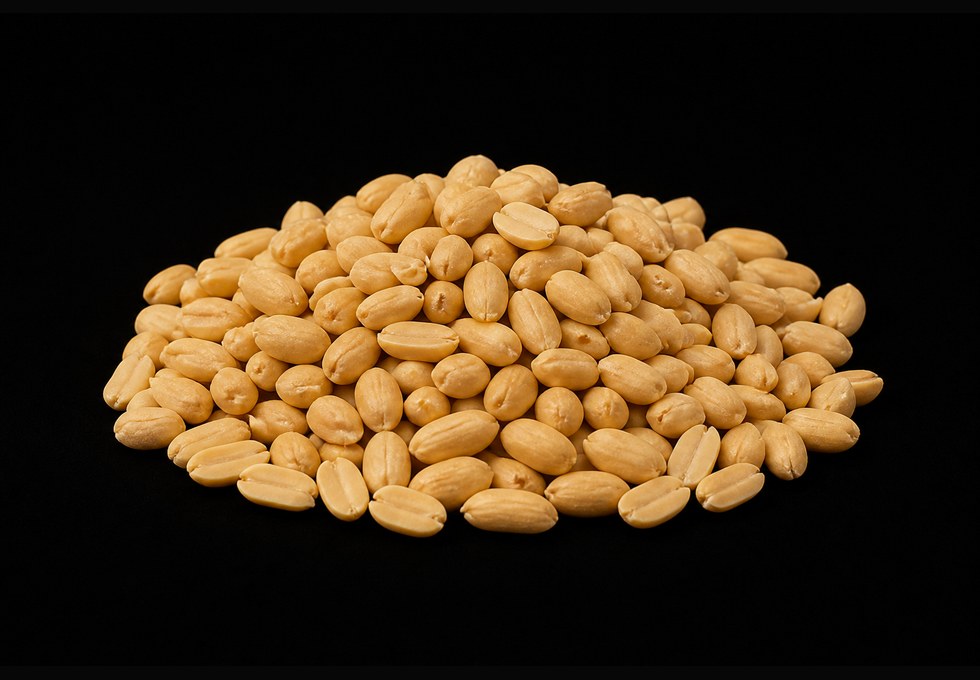
Peanuts should not be bought as a generic oilseed; food destination, commercial form and aflatoxin control are central.
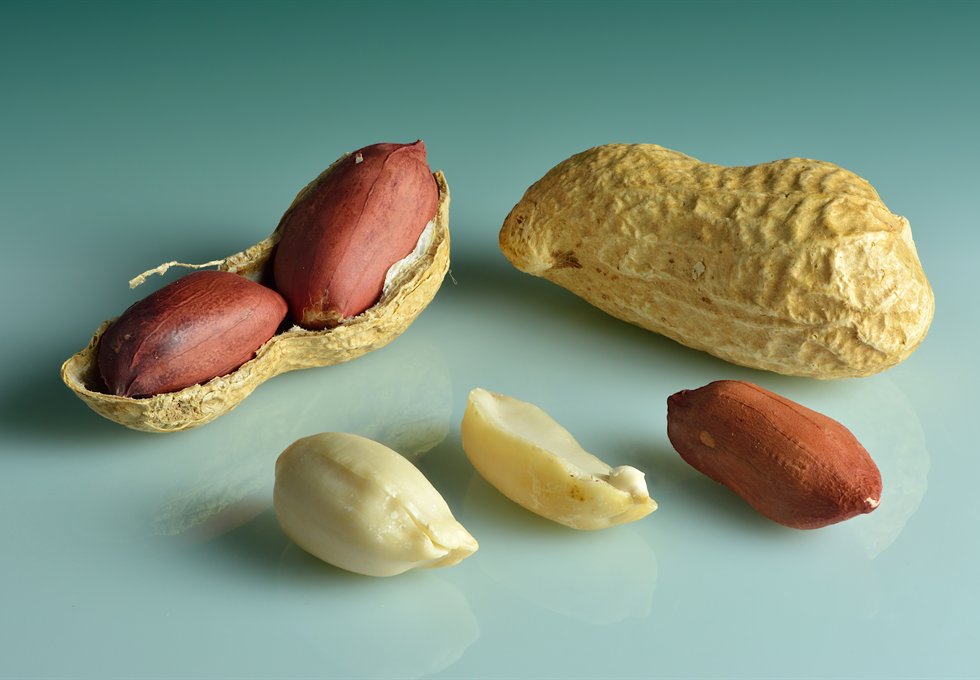
They may trade in-shell, as kernels, blanched or in other specific forms, each with its own count, damage, cleanliness and packing requirements.
The oil route exists, but many transactions prioritise direct consumption, ingredients, confectionery or food manufacturing with tighter tolerances.
Reduce moisture while preserving condition and limiting mould.
Remove soil, stones, vegetable matter and foreign bodies.
Separate hulls when the contract requires kernels.
Sort by count, damage, colour, skin and visual condition.
Test aflatoxins and contaminants according to origin, destination and contract.
Aflatoxins require careful technical handling: there is no single global threshold for every destination, so the contract and applicable regulation must be identified.
Moisture, damage, infestation, foreign material, splits and skin or blanched condition affect acceptance, shelf life and price.
Count matters in kernels and direct-consumption peanuts; for oil, the emphasis may shift toward yield, condition and absence of contaminants.
Storage requires a dry environment, controlled temperature, cleanliness, pest management and mould prevention. Moisture is critical to limit deterioration and aflatoxin risk.
Human-consumption lots should be protected from cross-contamination, odour, infestation and mixing with lower-suitability qualities.
KaizenGTC can organise the commercial document review, but food safety, destination limits and analysis must be supported by applicable laboratories and authorities.
| Element | Verification |
|---|---|
| Aflatoxins | Define method, laboratory, contractual limit and destination regulation. |
| Moisture | Control drying, stability and mould risk. |
| Count / size | Apply according to in-shell, kernels, blanched form or food destination. |
| Damage / infestation | Check damaged kernels, insects, splits and visual condition. |
| Foreign material | Remove soil, stones, loose shells and foreign bodies. |
USDA FAS includes peanut in the major oilseed complex; commercial reading for 2026/27 should separate peanut production, food trade and oil use.
| Market | Role | Context / period |
|---|---|---|
| China, India and United States | PRODUCTION / PROCESSING | 2026/27 context for supply, domestic use and processing. |
| European Union | IMPORT / FOOD | Relevant market for food-safety, aflatoxin and documentation requirements. |
| Argentina and Brazil | REGIONAL EXPORT | Relevant origins for kernels, prepared peanuts and food chains. |
Sources: USDA FAS Oilseeds: World Markets and Trade, September 2026; USDA FAS PSD Online; Codex Standard for Named Vegetable Oils
Form, count, moisture, damage, foreign material, aflatoxins, origin, crop year and food destination.
COA, aflatoxin test, phytosanitary certificate, fumigation if applicable and destination-required documents.
Packing, segregation, moisture control, absence of pests and protection against cross-contamination.
They can affect food safety and regulatory acceptance; the applicable limit depends on destination, contract and analytical method.
Yield, count, visual inspection, packing, damage risk and buyer documentation all change.
No. Many transactions prioritise direct consumption, ingredients, snacks or confectionery; oil is one possible destination.
Moisture, temperature, pests, mould, odours, cleanliness and separation between qualities or destinations.
Alongside the contract, aflatoxin analysis and quality/food-safety certificates are decisive for food destinations.