
Identity
Trade name, whole-ground or defatted seed, process and intended application.
Milled flax ingredient reviewed by commercial form, residual oil, oxidative stability and lot documentation.
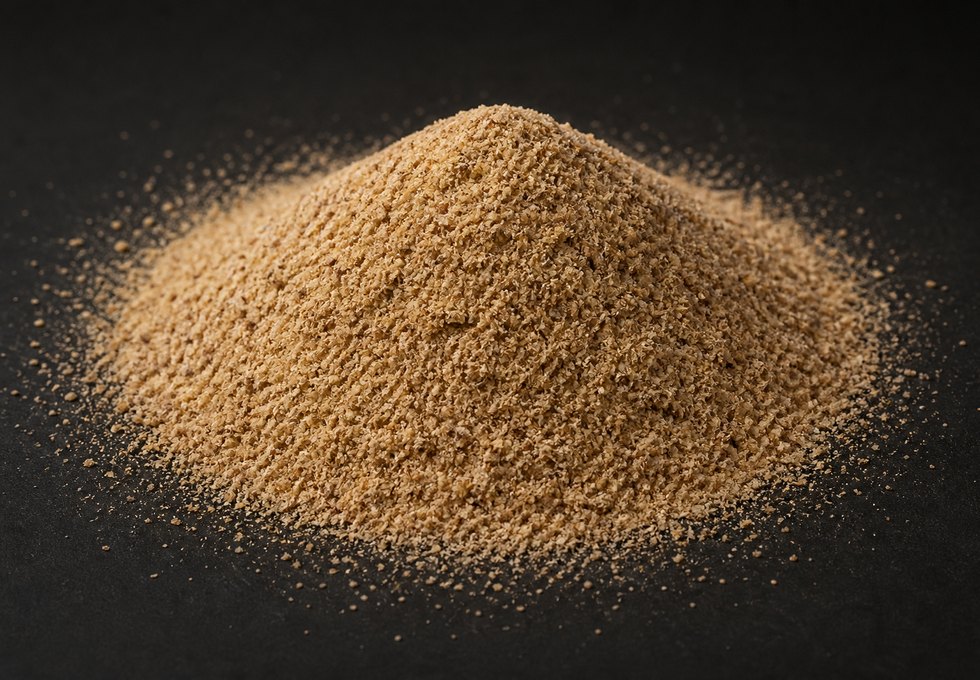
Flaxseed flour should state whether it comes from whole milled seed, a partially defatted ingredient or a process that justifies the flour name.
Flaxseed or linseed is the raw material. Flaxseed flour is a milled food ingredient; post-extraction cake or meal follows a different commercial logic unless the contract supports a food-grade flour specification.
The buyer needs the cleaning, milling, classification, fat content, shelf life and handling route. Lipid fragility makes odour, rancidity and packaging central commercial checks.
Impurities, damaged seed and foreign material are separated before processing.
Moisture or temperature may be adjusted when the mill and commercial form require it.
Seed is reduced to a defined particle profile while avoiding excessive heat.
When oil extraction comes first, the resulting material must be documented before it is called flour.
Particle size, moisture, oxygen, light and lot identity are controlled to protect shelf life.
Whole-ground flour retains more natural fat and needs closer attention to rancidity, odour, light, oxygen and temperature. Defatted flour changes composition, texture and shelf life.
Moisture, fat, protein, fibre, particle size, microbiology and foreign material should be tied to the lot. A single limit does not replace process description.
Cyanogenic-compound discussion should remain contextual: processing, formulation, destination and applicable rule determine the review, without publishing unverified universal limits.
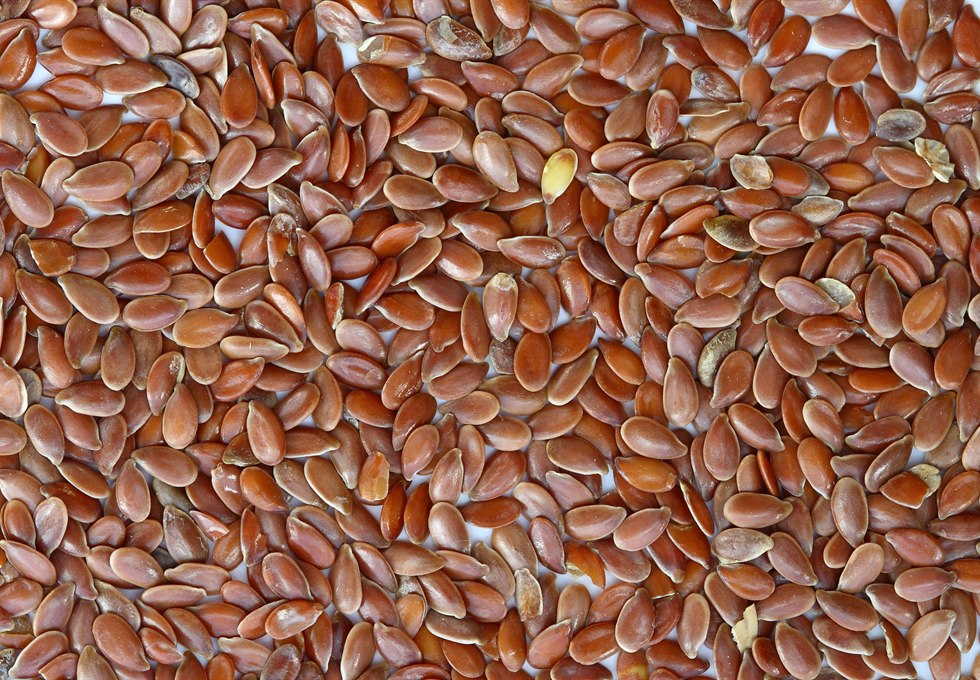
Storage should be dry, cool, clean and protected from odour, pests, direct light and heat. Packaging and shelf life matter more than for lower-fat cereal flours.
A useful file includes COA, declared form, fat content, moisture, particle size, microbiology, allergen or cross-contact statement, shelf life, lot and packing.
KaizenGTC can help compare offer, documents and destination; final acceptance belongs in the contract, applicable regulation and agreed analysis.
| Element | Verification |
|---|---|
| Commercial form | Separate whole-ground seed, partially defatted flour, defatted flour and extraction cake. |
| Residual oil | Review declared fat, odour, shelf life and oxidation risk. |
| Particle size | Align particle profile with bakery, dry mixes or industrial application. |
| Moisture and microbiology | Confirm lot limits and dry-storage conditions. |
| Cyanogenic compounds | Handle only with applicable source and process context. |
Seed data helps read raw-material availability, but it does not prove food-flour supply and should not be confused with extraction cake.
| Commercial reading | Prudent use | Source / period |
|---|---|---|
| Flaxseed and oilseeds | Raw material | FAOSTAT provides crop context; it should be separated from processed flour availability. |
| Food ingredients | Industrial use | Buying decisions turn on form, oxidation, particle size, packing and shelf life. |
| External trade | Classification | UN Comtrade can guide flows, with caution around aggregated codes and contract descriptions. |
Sources: Codex General Principles of Food Hygiene · FAOSTAT oilseed context · UN Comtrade Plus
Trade name, whole-ground or defatted seed, process and intended application.
Fat, moisture, particle size, microbiology, odour, shelf life and foreign material.
Barrier pack when relevant, lot, pallets, temperature, light, odour and remaining shelf life.
Not always. Flax meal may refer to milled flaxseed or post-extraction material; the specification should explain process and composition.
Whole flour retains more natural oil; defatted flour reduces relative fat and changes shelf life, texture and functionality.
Flax lipids can oxidise and affect odour, flavour, shelf life and lot acceptance.
Yes, when destination, formulation or regulation requires it; the review needs applicable source and processing context.
COA, process, fat, moisture, particle size, microbiology, shelf life, packing, lot and cross-contact declaration.