
Identity
Whole, dehulled, split chickpea, chana dal, roasted where relevant and accepted trade name.
Pulse flour for batters, snacks, blended bakery and plant-based formulations.
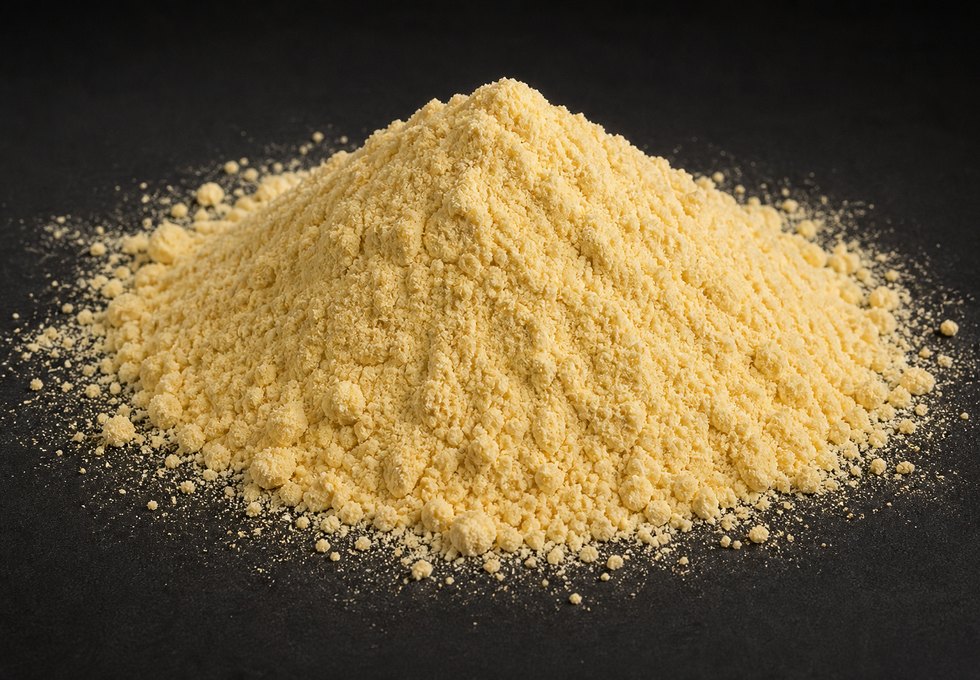
Chickpea flour is a pulse flour: it comes from a legume and is read through protein, flavour, colour, absorption and dehulling or splitting route.
Chickpea flour, gram flour and besan can overlap in some markets, but they are not universally identical. Chickpea type, chana dal use, roasting and dehulling degree change product and application.
Buyers should request local name, raw material, process, particle size, colour, microbiology, moisture and allergen/cross-contact status rather than assuming automatic equivalence.
Dust, stones, other seeds and damaged material are removed.
Depending on product, skin is separated to improve colour, texture or milling.
Whole chickpeas or dal may be split before milling.
Particle size is adjusted for batters, snacks, bakery or protein blends.
Moisture, microbiology, flavour, lot and shelf life are controlled.
Chickpea protein contributes structure and absorption, but it also brings a distinctive flavour that can be desired or limiting depending on destination.
Colour, particle size, moisture, fat, flavour and microbiology should be tied to batters, fried snacks, bakery blends or plant-based formulations.
Unsupported health claims should be avoided. Any gluten-free or allergen-free positioning depends on plant controls and documentation.
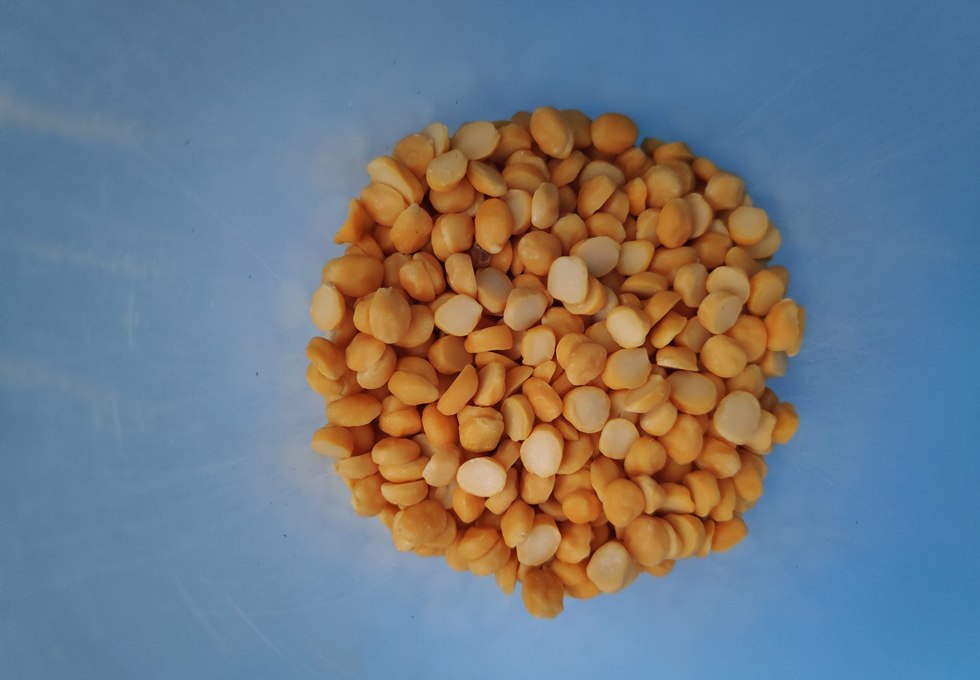
Besan is often associated with chana dal flour in several markets, while chickpea flour may be made from whole chickpeas or other routes. The contract should define the real raw material.
Relevant contaminants include foreign material, moisture, pests, residues and microbiology; the pulse profile requires dry storage and odour control.
KaizenGTC can help translate local terms into a sheet that buyer and seller understand, without independently guaranteeing availability or origin.
| Element | Verification |
|---|---|
| Raw material | Identify whole, dehulled, split chickpea, chana dal or another base. |
| Terminology | Clarify whether gram flour, besan and chickpea flour are accepted as equivalents in the contract. |
| Protein / moisture | Tie values to COA and exact lot. |
| Colour and flavour | Confirm expected profile for batter, snack or plant blend. |
| Particle size | Set it for viscosity, coating, frying or blended bakery. |
Chickpea trade as a pulse provides context, but flour depends on local process, culinary demand and manufacturer requirements.
| Commercial reading | Prudent use | Source / period |
|---|---|---|
| Chickpea / pulses | Raw material | FAO analyses the global economy of pulses as institutional context. |
| Agricultural production | Availability | FAOSTAT provides crop data by year and country where the category applies. |
| Processed flour | Ingredient | Buying is validated by sheet, lot, application and documents, not by a generic ranking. |
Sources: FAO Global Economy of Pulses · FAOSTAT · Codex General Principles of Food Hygiene
Whole, dehulled, split chickpea, chana dal, roasted where relevant and accepted trade name.
Protein, moisture, particle size, colour, flavour, microbiology, foreign material and lot.
Batter, snack, blended bakery, plant-based blend or declared traditional application.
Not always. They can overlap, but variety, chana dal, dehulling, roasting and market usage can change the product.
It affects viscosity, coating, frying, texture, hydration and blending with other flours.
It contributes absorption and structure in batters, snacks and plant-based formulations, but it should be documented by lot.
No. It is a pulse flour, with risks and behaviour different from wheat, rice or maize.
Only if the process, plant and documentation support cross-contact management.