
Specification
Oilseed or confectionery use, origin, crop year, oil, moisture, impurities, damage and oleic profile if applicable.
Sunflower seed documented by use, oil content, physical condition and commercial destination.
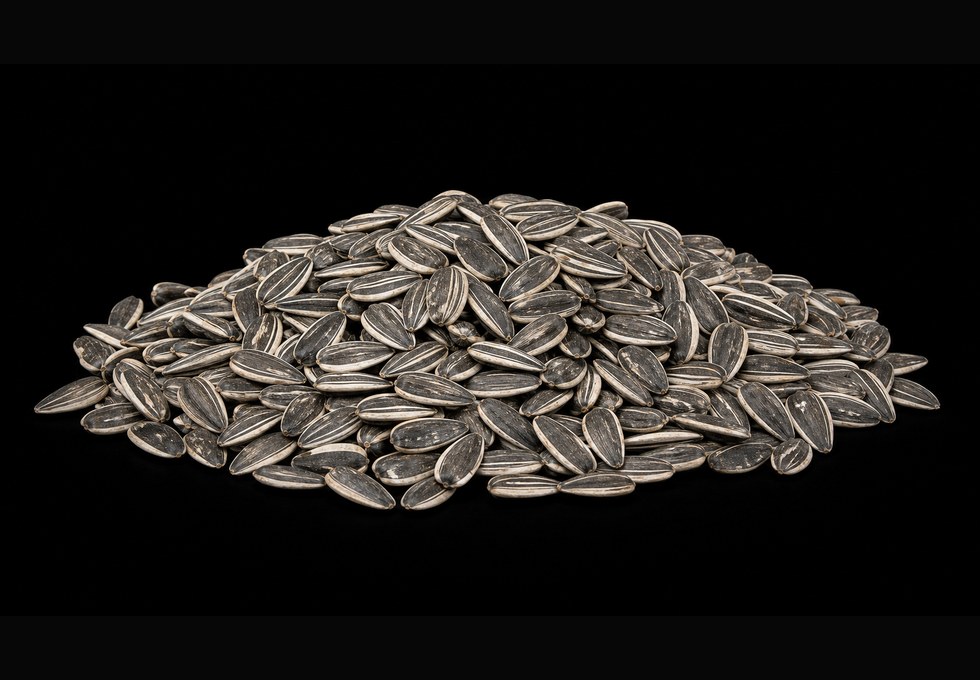
Sunflower seed can move to oil production or direct food use; each channel changes size, tolerances, process and documentation.
For an international oilseed transaction, the main reading is often oil, meal or cake, but some origins also offer confectionery quality with different requirements.
The specification should state use, variety or oleic profile where relevant, seed condition, moisture, impurities and damage tolerances.
Separate oilseed or confectionery destination by size, use and condition.
Remove impurities, broken seed, dust and vegetable matter.
Apply according to process, expected yield and meal or kernel use.
Prepare seed for pressing, solvent extraction or a combined route.
Connect lot with oil potential, moisture, origin and destination requirements.
Oil content and moisture drive value and handling; impurities, damage and broken seed affect cleaning, storage and extraction.
High-oleic sunflower should not be treated as automatically equivalent to conventional sunflower. The declaration needs varietal, analytical or documentary support accepted by the buyer.
For confectionery quality, size, integrity, colour and visual condition may carry more weight than in the industrial crush route.
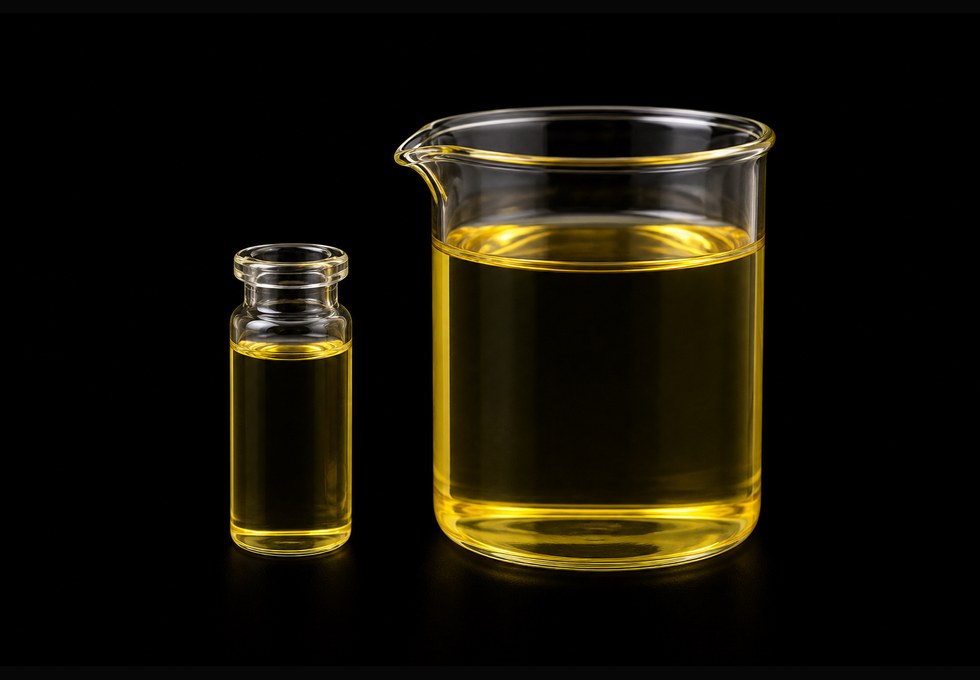
Seed should be kept dry, clean, ventilated and protected against pests. Hulls and light material can complicate density, loading and cleaning.
Segregation matters when high-oleic status, a specific origin, confectionery condition or food use with additional safety requirements is declared.
Commercial acceptance should rest on lot and contract; a generic sunflower description is not enough to settle use, yield and destination.
| Element | Verification |
|---|---|
| Oil content | Confirm analytical value when the destination is crush or oil. |
| Moisture | Align with storage, transport and deterioration risk. |
| Impurities | Measure foreign material, loose hulls and vegetable matter. |
| Damage / broken seed | Check impact on cleaning, visual quality and yield. |
| High-oleic status | Require supported declaration when sold as high-oleic. |
USDA FAS includes sunflowerseed in the global oilseed complex; 2026/27 campaigns should be read by separating seed, oil and meal.
| Market | Role | Context / period |
|---|---|---|
| Black Sea region and European Union | PRODUCTION / CRUSH | 2026/27 context for sunflower seed and regional processing. |
| Turkiye, European Union and Middle East | IMPORT / CONSUMPTION | Relevant markets for seed, oil or derivatives depending on contractual form. |
| Argentina | PRODUCTION / EXPORT | Relevant origin for availability and sunflower crop-year reading. |
Sources: USDA FAS Oilseeds: World Markets and Trade, September 2026; USDA FAS PSD Online; Codex Standard for Named Vegetable Oils
Oilseed or confectionery use, origin, crop year, oil, moisture, impurities, damage and oleic profile if applicable.
COA or inspection, phytosanitary certificate, origin, fumigation where relevant and shipping documents.
Separate lot for high-oleic, confectionery, food use or a specific destination requirement.
Oilseed sunflower is bought for oil and meal yield; confectionery lots may require stricter size, integrity and visual quality.
It is seed intended for oil with an elevated oleic profile; the condition should be documented and accepted by the contract.
Oil, moisture, cleanliness, damage, dehulling and physical condition influence yield and process.
No. Oil, confectionery, food manufacturing and feed require different documents and tolerances.
Moisture, pests, light material, heating, lot mixing and deterioration of condition.