
Specification
Crude PKO, RBD or fraction; FFA, peroxide value, moisture, impurities, fatty-acid profile and odour.
Oil from the palm kernel, distinct from mesocarp palm oil and used in food, oleochemicals and personal care.
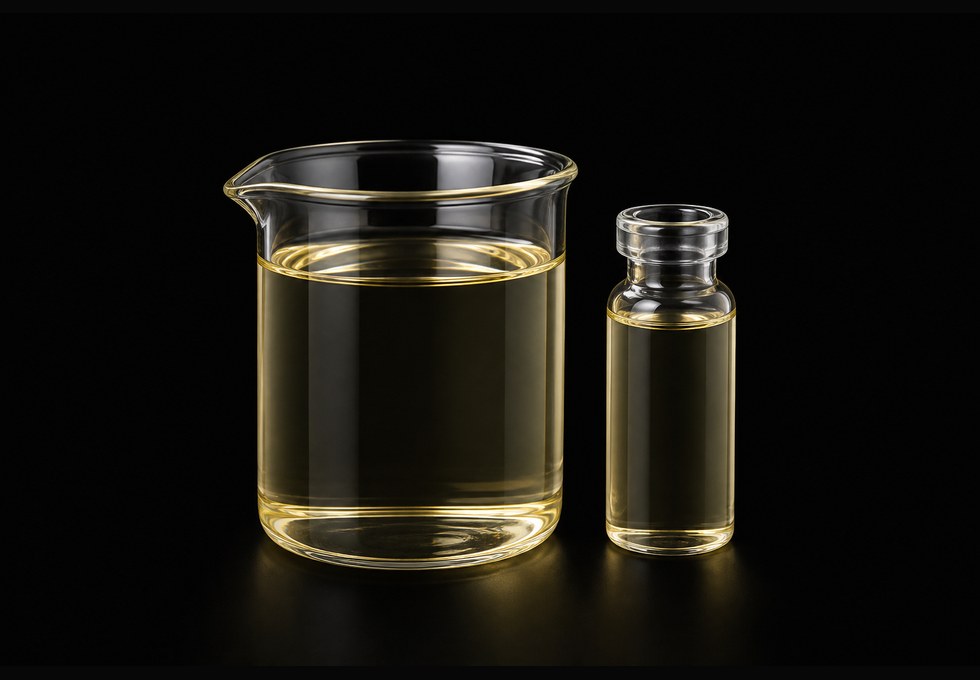
Palm kernel oil is obtained from the kernel or inner seed of the oil palm fruit; its lauric profile and applications differ from palm oil.
Confusing it with palm oil creates specification, logistics, price and end-use errors. PKO can be fractionated into palm kernel olein or stearin depending on destination.
The contract should state whether it is crude, refined, RBD, a specific fraction or an oleochemical derivative, with its own COA.
After mesocarp oil extraction, palm nuts are recovered.
Nuts are cracked and kernels are separated from shell and fibre.
Kernels are stabilised and prepared for extraction.
Crude palm kernel oil and palm kernel cake are obtained.
PKO can be refined or fractionated for food and industrial uses.
PKO is rich in medium-chain fatty acids and is valued in confectionery, speciality fats, soaps, personal care and oleochemicals.
FFA, peroxide value, moisture, impurities, colour, odour and fatty-acid profile help confirm condition and identity.
Palm kernel fractions are not the same as palm olein or palm stearin. The specification should name the correct oil.
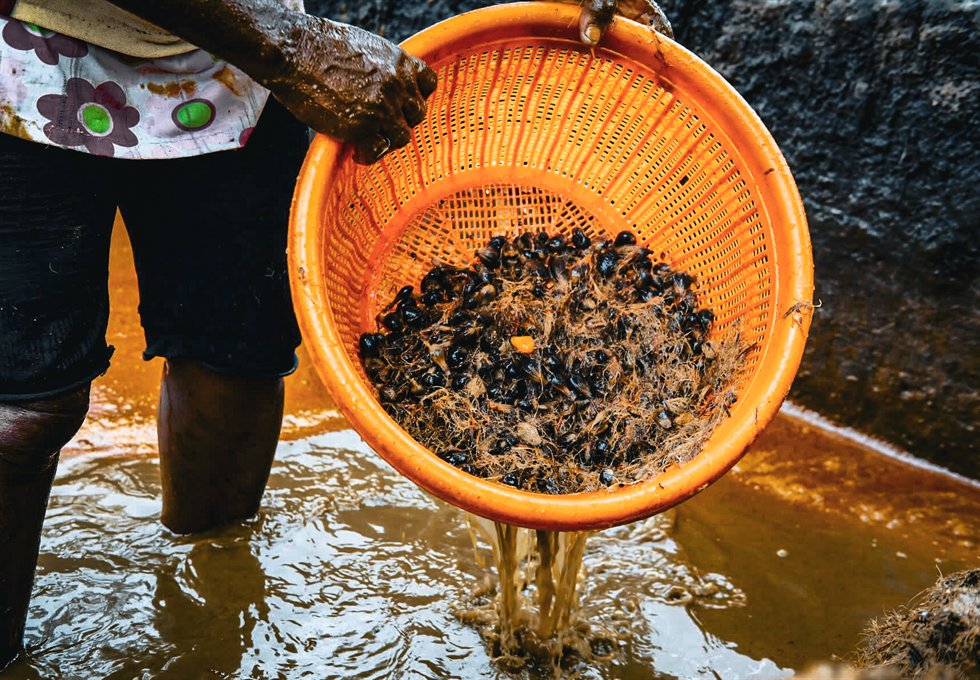
Palm oil comes from the mesocarp and PKO comes from the kernel. That difference explains changes in fatty-acid profile, melting behaviour, fractionation and applications.
Logistics should preserve cleanliness, water control, suitable temperature and absence of odours or cross-contamination.
KaizenGTC facilitates coordination and document review; it should not be presented as producer, refinery, certifier or inventory holder.
| Element | Verification |
|---|---|
| Source tissue | Confirm kernel/palm kernel, not mesocarp. |
| Fatty-acid profile | Verify lauric identity and intended application. |
| FFA / peroxide value | Measure acidity and oxidative condition. |
| Commercial form | Distinguish crude, RBD, palm kernel olein or palm kernel stearin. |
| Traceability | Document origin and certification only when declared. |
USDA FAS reports palm kernel and palm kernel oil within the oilseed and oil complex; 2026/27 reading should keep it separate from palm oil.
| Market | Role | Context / period |
|---|---|---|
| Indonesia and Malaysia | PRODUCTION / EXPORT | 2026/27 context for kernels, PKO and palm coproducts. |
| India, China and European Union | IMPORT / INDUSTRIAL USE | Markets with food, oleochemical and personal-care demand. |
| Soap and speciality-fat manufacturers | APPLICATION | Use driven by lauric profile, fraction and refining status. |
Sources: USDA FAS Oilseeds: World Markets and Trade, September 2026; USDA FAS PSD Online; Codex Standard for Named Vegetable Oils; RSPO
Crude PKO, RBD or fraction; FFA, peroxide value, moisture, impurities, fatty-acid profile and odour.
Palm kernel oil declaration, not palm oil, with coherent origin and process.
Clean tank/flexitank, seals, temperature, previous-cargo history and shipping documents.
PKO comes from the kernel and has a lauric profile; palm oil comes from the mesocarp and has a different profile and applications.
It is a composition rich in medium-chain fatty acids, relevant to confectionery, soaps, oleochemicals and speciality fats.
Yes. It can produce fractions such as palm kernel olein or stearin, which should be named specifically.
FFA, peroxide value, moisture, impurities, colour, odour, fatty-acid profile and refining form.
Crude PKO is the oil obtained after kernel extraction before full refining. Refined oil has undergone purification stages appropriate to its intended use, while fractionated PKO is separated into fractions such as palm kernel olein or stearin. The commercial form should be stated explicitly in the specification and COA.