
Specification
CPO, RBD, olein, stearin or another fraction; FFA, moisture, impurities, colour and odour.
Oil from the palm fruit mesocarp, documented by commercial form, quality and traceability.
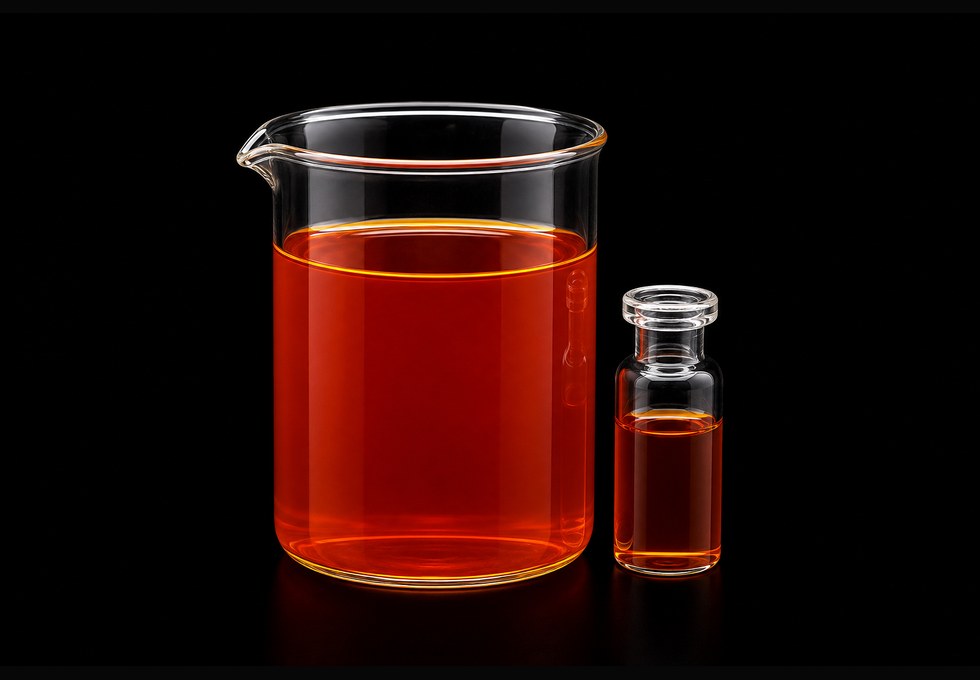
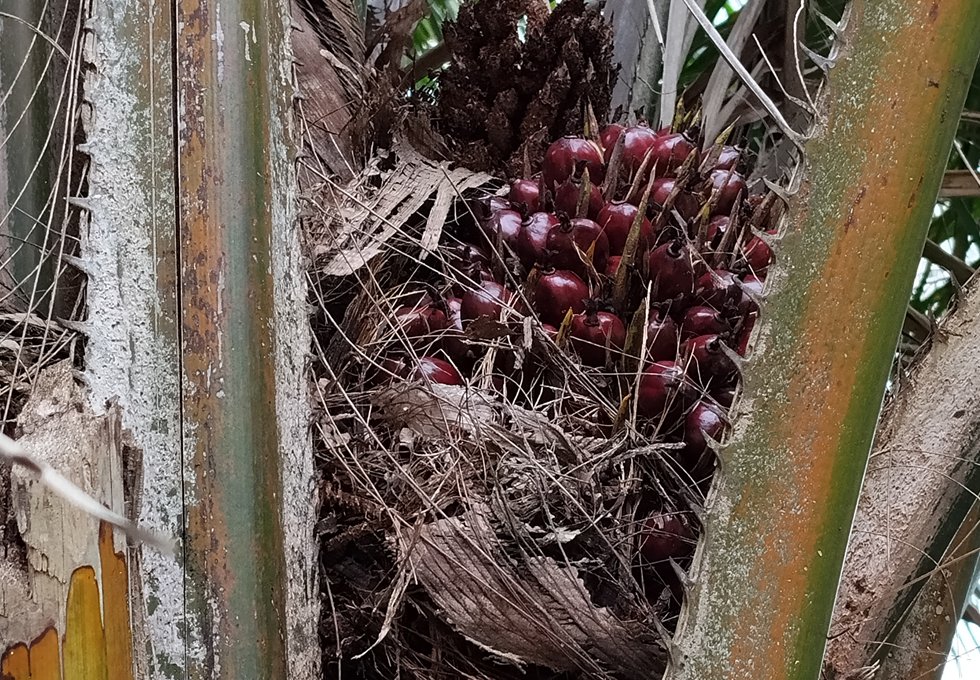
Palm oil is primarily derived from the fleshy mesocarp of Elaeis guineensis fruit; palm kernel oil is derived from the kernel.
The distinction is material: source tissue, fatty-acid profile, process, fractionation, applications and commercial documents differ.
The form may be CPO, refined oil, RBD, olein, stearin or another fraction; each needs its own COA and contractual description.
Quality depends on harvest, transport and time to milling.
Enzymes are inactivated and fruit detachment is facilitated.
Fruit is separated and mesocarp is prepared.
CPO is obtained and water and impurities are removed.
RBD, olein, stearin or other fractions can be produced.
FFA, moisture and impurities, colour, odour, oxidation and DOBI where relevant help assess palm oil condition.
Olein and stearin are palm oil fractions; they should not be described as seed qualities or confused with palm kernel oil.
Sustainability, traceability or certification should be stated factually and documented, without assuming every lot is certified.
Palm oil can require temperature control depending on fraction and physical state, but heating should be managed without degrading quality or oxidising the product.
The file may include COA, origin, oil form, tank history, traceability declaration and certification only when applicable and verifiable.
KaizenGTC facilitates commercial coordination between parties; it does not produce oil, operate plantations or certify sustainability on its own account.
| Element | Verification |
|---|---|
| Source tissue | Confirm mesocarp/fruit and avoid confusion with palm kernel oil. |
| FFA | Measure acidity and fruit/process condition. |
| Moisture / impurities | Control water, sediment and stability. |
| Commercial form | Distinguish CPO, RBD, olein, stearin or another fraction. |
| Traceability | Require origin documents and certification only when declared. |
USDA FAS reports palm oil within major vegetable oils; 2026/27 reading separates oil production, exports, consumption and stocks.
| Market | Role | Context / period |
|---|---|---|
| Indonesia and Malaysia | PRODUCTION / EXPORT | 2026/27 reference for global palm oil supply. |
| India, China and European Union | IMPORT / CONSUMPTION | Markets with their own quality, documentation and trade-policy requirements. |
| West Africa and Latin America | REGIONAL PRODUCTION | Origin context where traceability and logistics can vary by chain. |
Sources: USDA FAS Oilseeds: World Markets and Trade, September 2026; USDA FAS PSD Online; Codex Standard for Named Vegetable Oils; RSPO
CPO, RBD, olein, stearin or another fraction; FFA, moisture, impurities, colour and odour.
Origin, documented supplier, certification only if applicable, chain of custody and destination requirements.
Clean tank, previous-cargo history, temperature, seals, compatibility and shipping documents.
It is oil obtained from the palm fruit mesocarp before further refining and fractionation.
They are palm oil fractions obtained through fractionation, with different physical properties and uses.
No. Palm oil comes from the mesocarp; palm kernel oil comes from the kernel or seed inside the fruit.
It matters when the buyer or destination requires it and it should be supported by verifiable documents, not a generic claim.
Temperature, cleanliness, previous cargo, water, oxidation, seals and tank or flexitank compatibility.