
Assay and fineness
Assay certificate, fineness, impurity profile, gross/fine weight and laboratory.
Refined commercial silver reviewed by form, fineness, assay, industrial destination and custody.
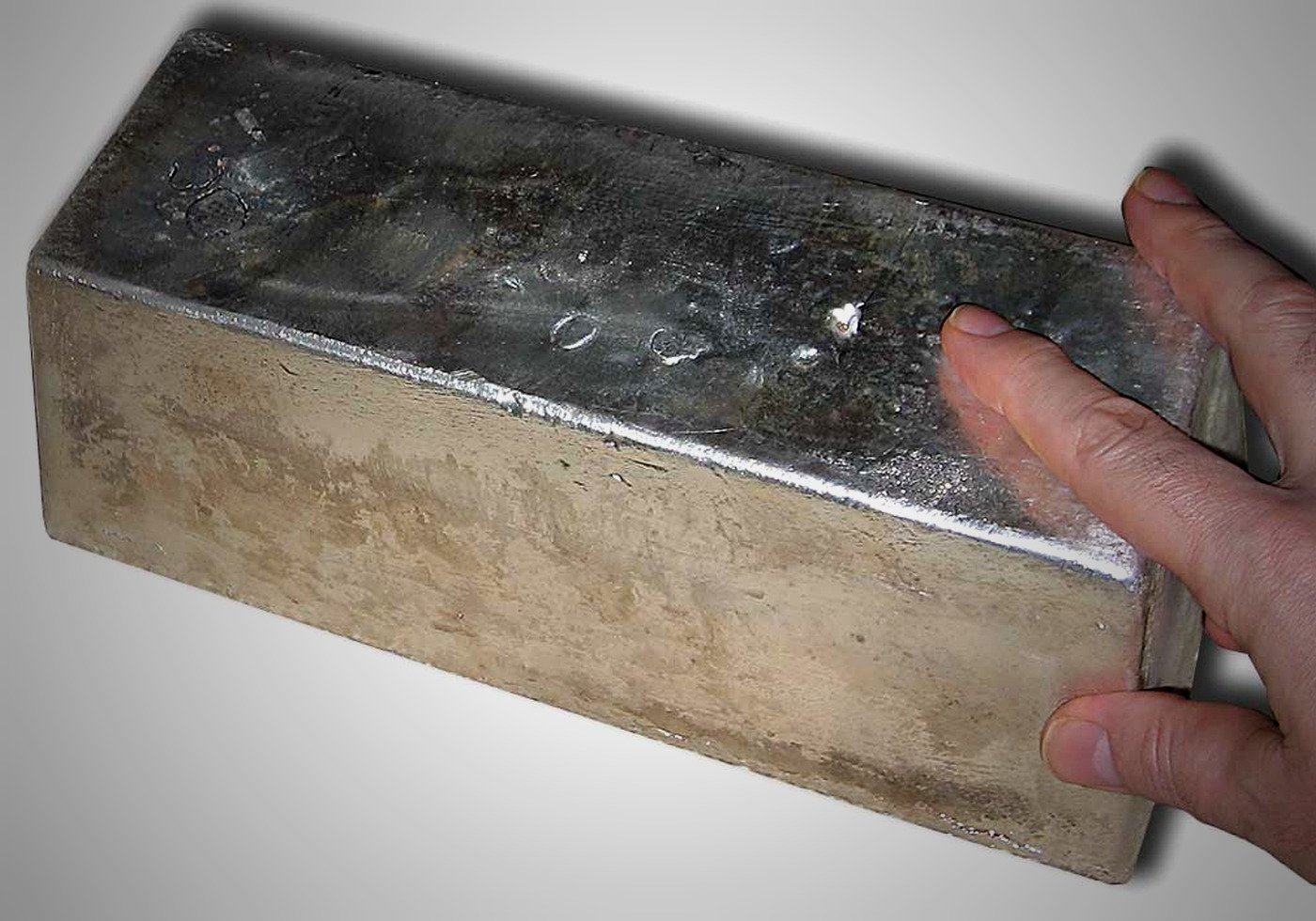
Silver may be refined bullion, a Good Delivery-eligible bar, grain for industry, jewellery feedstock or material for electrical and photovoltaic applications. The exact form defines the document set.
Commercial review should separate refined silver, dore/intermediate material, concentrate and industrial forms. Fineness, assay, weight, refinery, lot, packing and chain of custody do not mean the same thing for bullion bars as for grain or industrial feed.
LBMA Silver Good Delivery must be used precisely: it applies within a rules, list and bar/refinery requirement framework. Not every refined silver product qualifies and vague certification phrasing should not be used.
Ore, lead/zinc/copper by-product, dore or scrap enters concentration/refining.
Metallurgical processing separates silver and impurities according to feed and refinery.
A common route to reach required fineness and impurity profile.
Laboratory confirms fineness, impurities and fine weight for the lot.
Bar, grain, shot or another form is packed, marked and documented.
Refined silver is reviewed by fineness, impurities, weight, form, surface condition, refinery mark, lot or bar number and assay certificate. Requirements differ for bullion, electronics, photovoltaics, jewellery or chemicals.
Silver grain may suit manufacturing, but it is not automatically a vault-acceptable bullion bar. A marked bar also does not replace industrial impurity specifications when the destination is technical.
Documentation should connect lot, form, weight, certificate, packing, custody and delivery route. Final acceptance is contractual and destination-dependent.
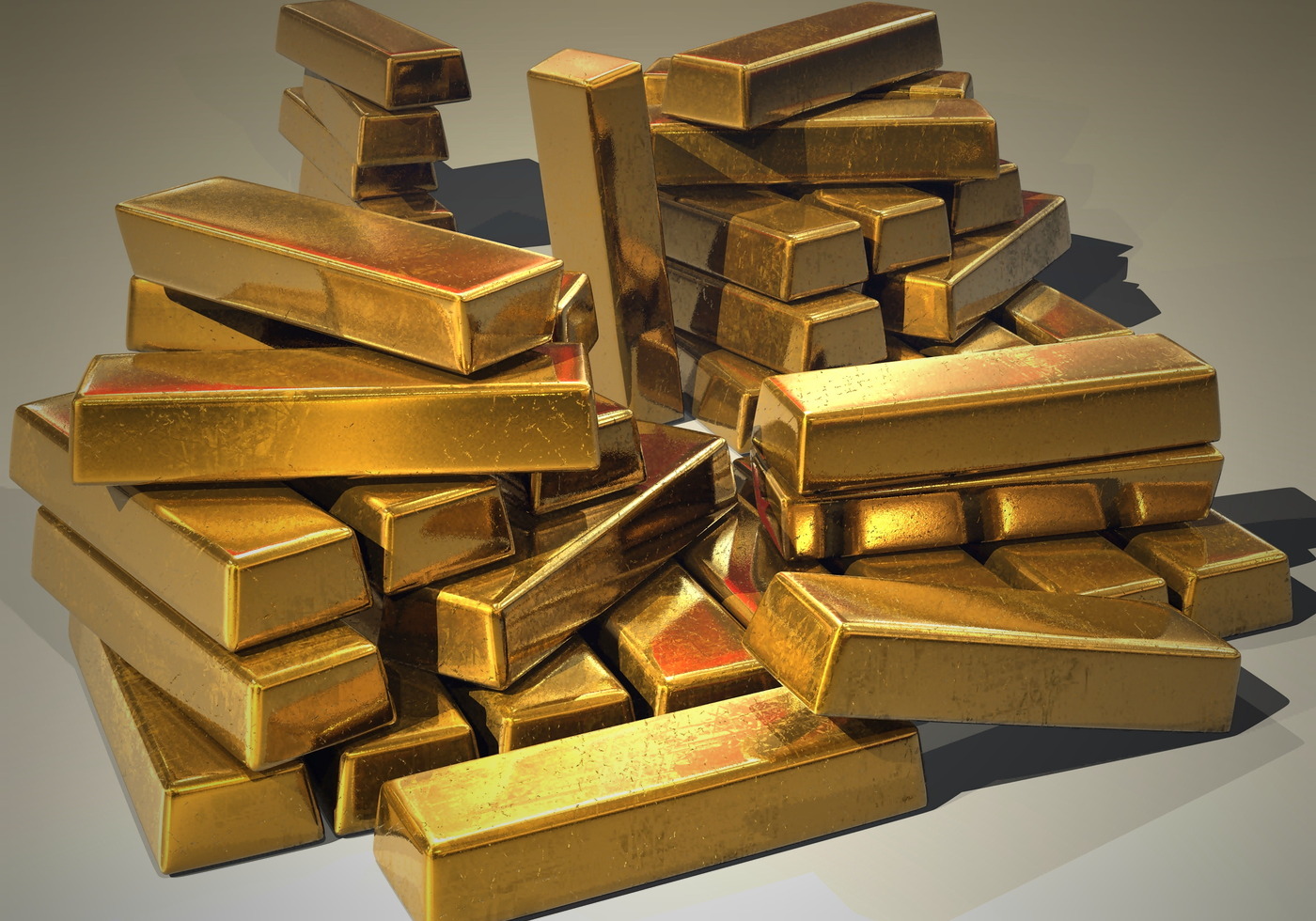
Silver should not be presented as only an investment product. Industrial use is material and can impose tighter impurity, packing and contamination tolerances.
Silver dore or concentrate can explain upstream origin, but they should not be merged with refined silver ready for commercial use.
| Form | Verification |
|---|---|
| Silver bullion bars | Refined bars; check fineness, weight, mark, number and custody. |
| Silver grain / shot | Manufacturing form; control fineness, impurities, packing and contamination. |
| Industrial silver | Product directed to electronics, PV, brazing, chemicals or other technical uses. |
| Silver dore | Semi-refined intermediate; requires assay and refining. |
| Concentrates | Upstream mineral material settled by grade, moisture and charges. |
Silver combines mine supply, refining, bullion and industrial demand. Photovoltaic, electrical, chemical, jewellery and investment applications should be separated when assessing a lot.
| Market | Role | Context |
|---|---|---|
| Mexico, China, Peru and other producers | MINE SUPPLY | Mine-production context in official sources. |
| Photovoltaics, electronics and brazing | INDUSTRIAL DEMAND | Industrial demand influences required form, fineness and impurity profile. |
| LBMA Silver Good Delivery | BULLION / VAULTING | Rules/lists relevant to specific bars and eligible refiners. |
Sources: USGS Silver · The Silver Institute · LBMA Silver Good Delivery List
Assay certificate, fineness, impurity profile, gross/fine weight and laboratory.
Bar list, lot number, refinery mark, packing list, photos and packing identification.
Vault receipt or warehouse documents, chain of custody, origin, export/import and industrial or bullion requirement.
Fineness states the proportion of silver in refined metal and should be verified by assay tied to the exact lot or bar.
Through laboratory analysis for fineness and impurities, with method and sample defined by contract, refinery or buyer.
It is an LBMA rules/list framework for specific bars and refiners; not every refined silver product qualifies.
Electronics, photovoltaics, brazing, chemicals and jewellery can require different form, impurities, packing and tolerances from bullion.
Not necessarily. It may be refined silver for manufacturing, but bullion acceptance depends on form, mark, custody and applicable rules.