
Assay and method
Au, Ag and impurities should be tied to sample, laboratory, date and protocol.
Semi-refined gold-bearing bars whose commercial reading depends on composition, sampling, assay, chain of custody and refining route.

Gold doré is a semi-refined bar normally produced near a mine or metallurgical plant. It contains gold, silver and other metals in variable proportions, so it should not be presented as fine gold, investment bullion or Good Delivery material unless an accredited refinery has refined and certified it.
Composition depends on the deposit, recovery circuit and smelting practice. Two bars called doré can carry very different economics, which is why the transaction revolves around representative sampling, independent assay, treatment terms, deductions and final settlement.
Recovered metal prepared for smelting.
Doré bar with Au, Ag and impurities.
Representative sample sealed and split.
Fire assay, XRF or ICP by stage.
Acceptance, refining and settlement.
Doré is commonly formed after concentration, elution, precipitation, smelting or a combination of metallurgical steps. The bar form supports transport and security, but impurities remain until the refinery separates them from refined gold and silver.
Sampling is the critical stage. Drillings, cuts, chips or refinery-defined protocols may be used to obtain sub-samples. Those samples are sealed, split between parties and assayed, often by fire assay for gold with complementary techniques for silver and impurities.
The contract should explain when price is fixed, which assay prevails, how laboratory differences are resolved and which refining, transport, insurance or security charges are deducted before payment.
| Element | Commercial reading |
|---|---|
| Doré | Semi-refined material with variable gold and silver; requires assay and refining before final settlement. |
| Refined bullion | Metal with recognized purity and mark; may qualify for different delivery standards and markets. |
| Gold concentrate | Processed mineral material not smelted into a bar; logistics, penalties and moisture are a separate discussion. |
| Gold scrap | Recycled material with heterogeneous traceability and composition; requires different diligence and assays. |
Value is calculated from dry or accepted net weight, gold and silver content, impurities, refining charges and payment timetable. A preliminary assay helps, but settlement often depends on refinery results or a laboratory agreed by the parties.
The review should examine seals, bar numbers, photographs, packing list, certificate of origin where applicable, export permits, transport documents, insurance, KYC, AML, sanctions screening and consistency among owner, seller and receiving refinery.
Doré moves through high-value logistics with sealed packaging, secure transport, dedicated insurance and delivery to refineries able to receive mined material. A broken custody record can be as material as an assay discrepancy.
Responsible due diligence should confirm that the material does not come from illicit mining, conflict, forced labour or sanctioned channels. LBMA and other market frameworks influence how refineries accept, reject or investigate suppliers.
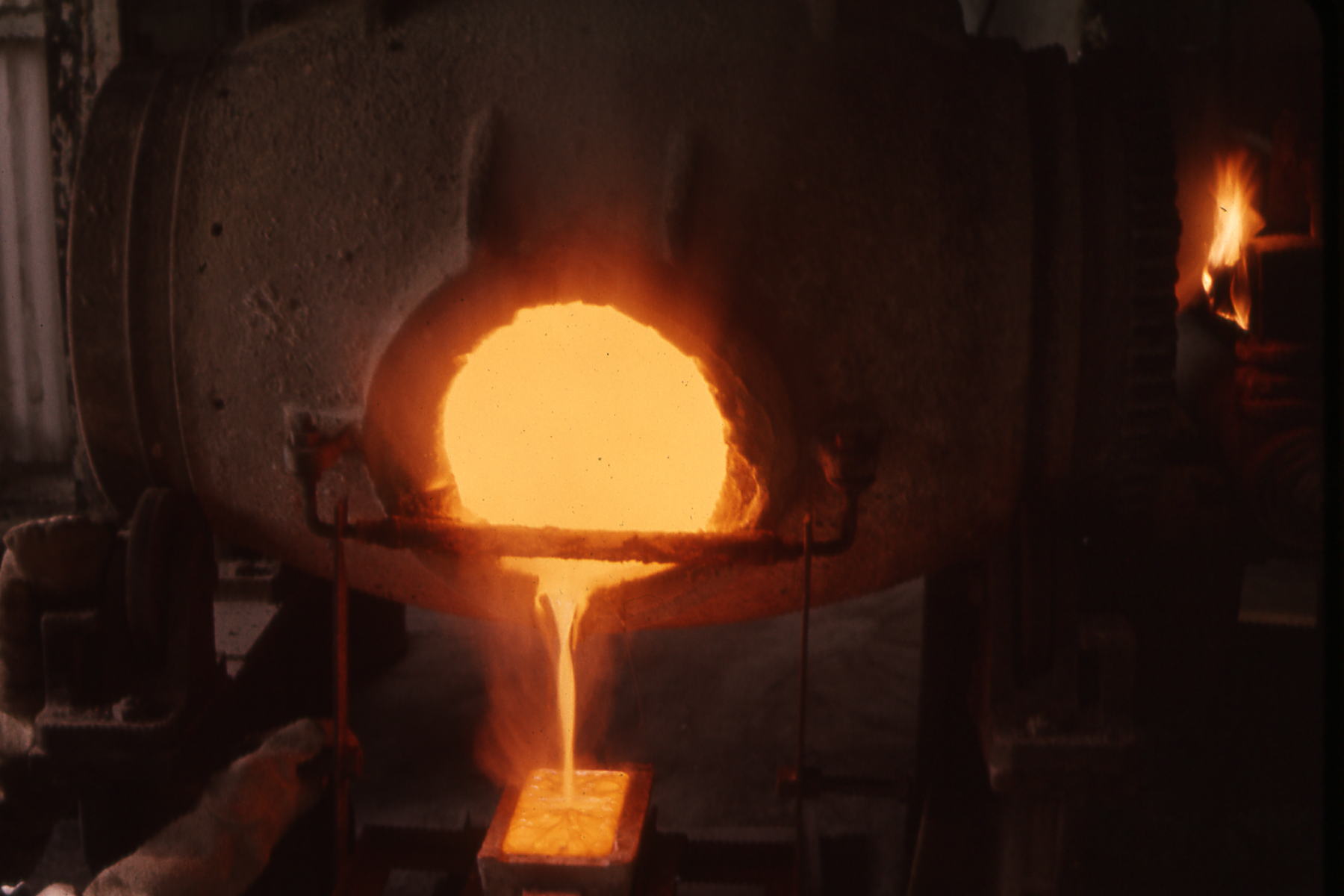
A doré bar sits between the mine and the refinery. It is not refined bullion or a standard investment unit; it is semi-refined material concentrating gold and silver together with impurities from the deposit and metallurgical circuit. There is therefore no universal doré purity: every bar must be read by assay, accepted weight and refining terms.
Production may come from carbon-in-pulp circuits, Merrill-Crowe recovery, concentration, precipitation and smelting. The bar makes high-value metal transportable before final refining. Appearance does not reveal grade; a bright bar can have a different composition from another that looks similar.
Representative sampling is the critical point. Drillings, chips, cuts or refinery protocols should produce a sample representing the bar mass. If sampling is weak, the assay may be technically correct but commercially disputed because it does not represent the full material.
Fire assay remains a classic reference for gold; XRF can support fast identification and non-destructive screening; ICP or related methods may help read impurities or accompanying elements. The page should explain these methods at high level without becoming a laboratory procedure or implying that every method applies in every case.
Payable value combines weight, gold and silver content, moisture where relevant, impurities, refining charges, penalties and settlement timing. A preliminary assay is not necessarily the final refinery result, so the contract must state which assay prevails and how differences are resolved.
Chain of custody is inseparable from quality. Seals, bar numbers, photos, packing list, export permits, insurance, carrier, owner identity, KYC, AML and sanctions screening may affect acceptability before price is even discussed.
The distinction from refined bullion must remain visible. Refined bullion may carry recognized mark, purity, number and delivery standard. Doré requires acceptance and refining. Confusing them can inflate expectations, distort price and hide origin responsibilities.
Price and acceptability are separate from the start: custody, refinery acceptance, payable value, fire assay, XRF, ICP and AML must reconcile before a preliminary grade becomes a commercial basis. Refinery quotation, settlement clause and dispute mechanism are therefore technical controls, not afterthoughts. The lot review should also identify provisional versus final assay status and the party responsible for umpire analysis.
| Element | Verification |
|---|---|
| Doré | Semi-refined; requires sampling, assay and refining. |
| Refined bullion | Refined metal with verifiable purity and mark. |
| Concentrate | Processed mineral material settled by grade, moisture and penalties. |
| Scrap | Recycled material requiring different diligence and classification. |
| Alluvial gold | Origin and traceability may be the main documentary risk. |
Au, Ag and impurities should be tied to sample, laboratory, date and protocol.
Seals, photos, packing list, carrier, insurance and receiving refinery reduce ambiguity.
KYC, AML, permits and due diligence are part of commercial value, not decorative appendices.
KaizenGTC can organize the enquiry, identify gaps in the trade file, prepare questions for supplier or refinery and distinguish doré from bullion, concentrate or scrap when an offer mixes terminology.
This page does not claim availability, assay, origin, supplier, refinery, price or acceptability. Any transaction requires document review and human scrutiny before moving forward.
A semi-refined bar produced before final refining, normally containing gold, silver and impurities.
No. Composition varies and must be proven by sampling and assay.
Refined bullion has verifiable purity and mark; doré still requires refining and settlement.
Through representative sampling and assays such as fire assay, with XRF or ICP support depending on stage.
Sample quality, method, bar heterogeneity and laboratory practice all influence the reading.
To separate gold, silver and impurities and issue accepted results for settlement or refined metal.
Assay, origin, permits, packing list, custody, insurance, KYC/AML and refinery acceptance.
No. The page structures review; grade depends on verifiable assays and documents.