
Sanitary
International Sanitary Certificate or destination-required official veterinary documentation.
Frozen chicken from Brazil reviewed through cut specification, approved establishment, sanitary status, packaging and cold chain.
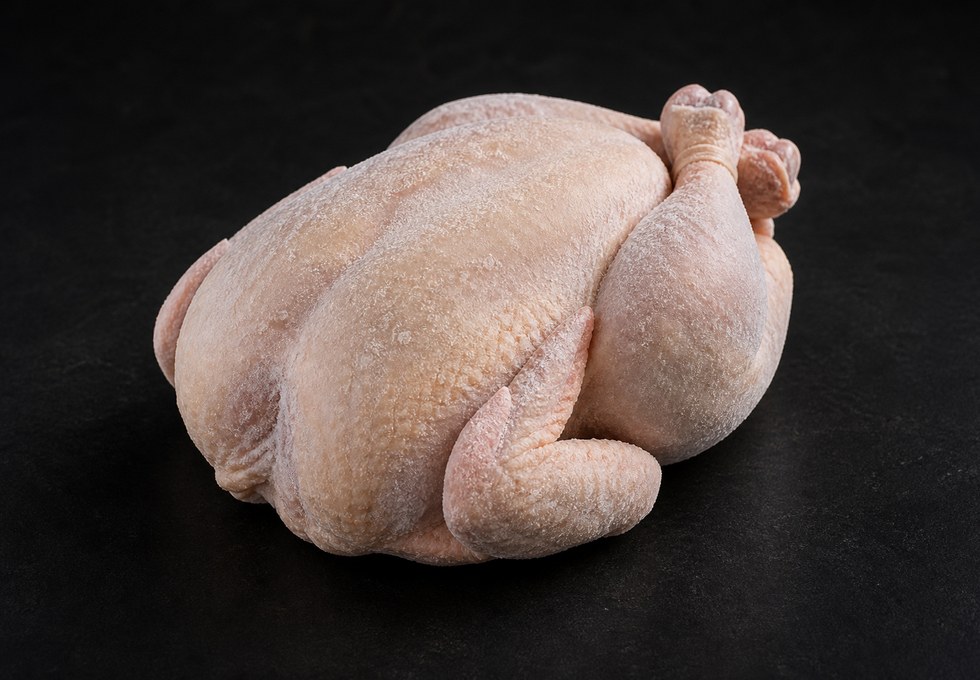
A commercial poultry file must define both the chicken presentation and the eligibility of the Brazilian establishment for the destination market.
Brazilian animal-product exports are subject to official sanitary controls and destination-specific requirements. Plant registration, export approval and sanitary certification are therefore central to due diligence.
The buyer should identify the exact cut or whole-bird specification, weight range, packaging, freezing condition, shelf-life requirements, labels and any halal or market-specific certification requested.
Confirm the producer/plant is registered and eligible for the destination.
Whole birds or cuts are prepared to the agreed weight and trim specification.
Product is frozen under the plant’s validated process and held under controlled conditions.
Cartons, inner packaging, net weight, production dates and labels are checked.
Cargo moves through cold storage and reefer transport with temperature records and sanitary documents.
Chicken breast, wings, leg quarters, drumsticks, paws, feet and whole birds are distinct commercial products. The contract should avoid generic wording when a specific cut, grade or weight range is required.
Frozen-chain requirements should be stated contractually. USDA food-safety guidance uses 0°F (about -18°C) or below as a freezer benchmark; export specifications and importing-country rules remain controlling for commercial shipments.
For Brazilian exports, the receiving market may require an establishment to be specifically habilitated and the shipment to be accompanied by an official International Sanitary Certificate or equivalent documentation.
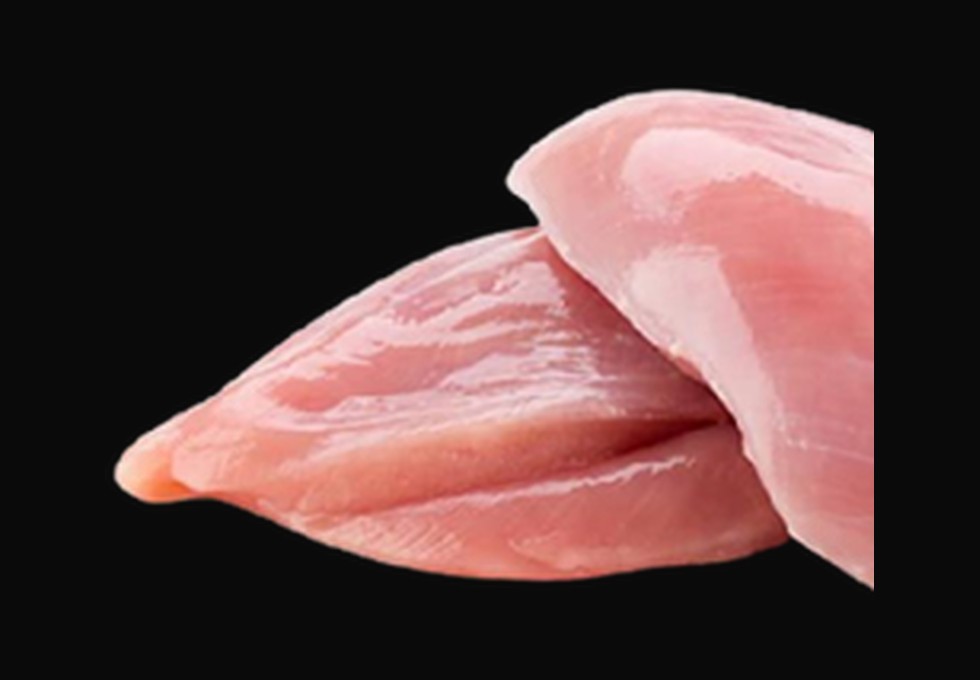
Carton strength, inner liners or bags, net weight, glazing if applicable and pallet configuration should be agreed before loading. Labels must match destination requirements and the official export file.
Cold-chain control extends from plant storage to container stuffing, reefer setpoint, port handling and final discharge. Temperature history and seal integrity help document shipment condition.
KaizenGTC coordinates commercial and documentary review; it does not present itself as a slaughterhouse, meat processor or veterinary authority.
| Element | Verification |
|---|---|
| Plant eligibility | Verify registration and destination-market approval where required. |
| Product specification | Define cut, weight range, trim, skin/bone condition and grade. |
| Packaging | Confirm carton, inner pack, net weight, label and pallet requirements. |
| Temperature | Set contractual frozen-chain conditions and monitoring responsibilities. |
| Sanitary file | Confirm health certificate, establishment details and destination requirements. |
Frozen poultry trade is shaped by approved plants, veterinary requirements, import permits, religious certification where applicable, cut preferences, freight and cold-storage capacity. A commercially attractive price is not sufficient if the plant or document set is not accepted by the destination country.
| Market | Role | Context |
|---|---|---|
| Brazilian approved plants | SUPPLY | Eligibility, production capacity, cut program and export documentation. |
| Importers / distributors | DEMAND | Require specific cuts, packaging, labels, certificates and delivery schedule. |
| Cold-chain operators | LOGISTICS | Reefer availability, temperature control and port handling protect cargo condition. |
Sources: Brazil MAPA — Animal-product export requirements; Brazil MAPA — Sanitary certification for products of animal origin; USDA FSIS — Chicken from farm to table; WOAH animal health information
International Sanitary Certificate or destination-required official veterinary documentation.
Invoice, packing list, origin/producer details and contract specification.
Reefer instructions, temperature records, seal/container data and loading evidence as agreed.
It should define frozen chicken by cut, plant and sanitary destination; the file should support temperature, glazing, microbiology, veterinary certificate, packaging and shelf life for the exact lot.
Cut or whole-bird presentation, weight range, packaging, freezing temperature, glazing, microbiology, veterinary certificate and any stricter contractual or destination requirement.
The commercial context centres on Brazil and destinations with specific sanitary requirements, including the Middle East, Asia and Africa; each transaction must confirm origin, availability and access with current documents.
A useful file normally includes veterinary certificate, sanitary certificate, packing list, temperature record, plant approval, halal if applicable and bill of lading, all tied to the same lot and shipment route.
Cold-chain performance can change acceptance. A -18°C benchmark is common for frozen products, but contract and destination define the controlling commercial temperature conditions, records and tolerance.
It connects producer or plant, lot, logistics route and destination requirement; Brazilian plant eligibility can matter as much as the commercial offer.