
Quality
COA covering nitrogen, biuret, moisture, particle size and any contracted physical parameters.
Fertilizer urea reviewed through grade, nitrogen content, physical form, storage and shipment controls.
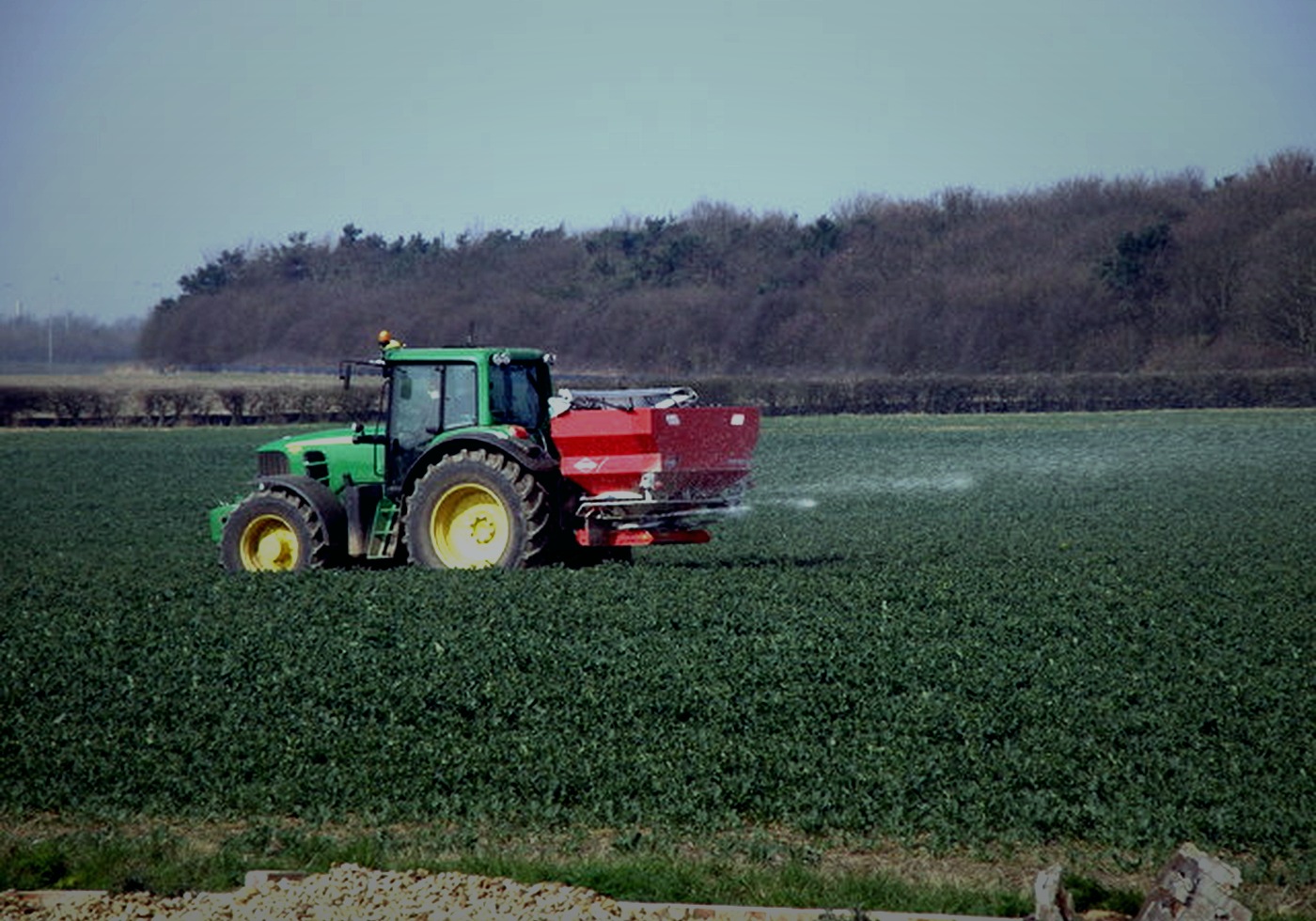
Commercial fertilizer urea is a dry, water-soluble nitrogen source commonly sold as 46-0-0, meaning about 46% nitrogen by weight.
For international procurement, the product name alone is not enough: the buyer should define fertilizer grade, granule or prill form, nitrogen minimum, biuret limit, moisture and particle-size distribution.
Physical quality affects flowability, dust, caking, bagging and performance in spreading equipment, while chemical quality determines whether the material matches the intended agricultural or industrial use.
Urea is produced industrially from ammonia and carbon dioxide.
Melt is converted into granules or prills depending on the plant.
Product is cooled and screened to control size distribution and fines.
Nitrogen, biuret, moisture and physical properties are checked against the contracted specification.
Material moves in bulk, big bags or bags under moisture-control procedures.
Agricultural urea is widely recognized for its high nitrogen concentration, but a commercial file should also cover biuret, moisture, particle size, crushing strength or handling behaviour when relevant.
Granular and prilled urea are not interchangeable for every application. The required size range should be tied to the buyer’s spreading, blending or industrial process.
Specifications vary by producer and destination, so KaizenGTC treats the signed specification and supporting certificate of analysis as the controlling commercial reference.
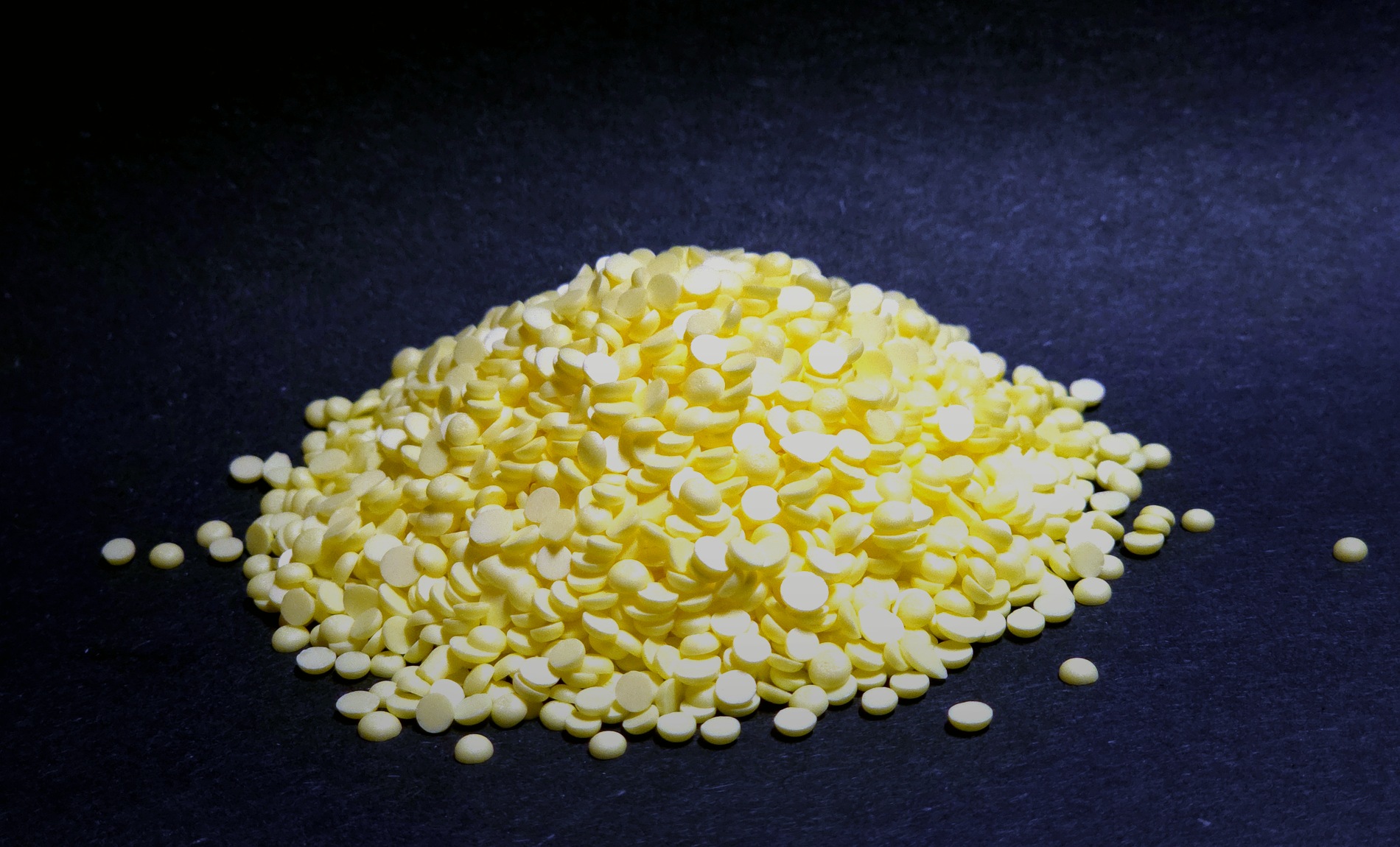
Urea is highly soluble and should be protected from water ingress and excessive humidity throughout storage and transport. Moisture can promote caking and reduce free-flowing performance.
Bulk terminals and warehouses should control cleanliness, segregation, condensation and loading conditions. For bagged cargo, packaging strength and moisture barrier are part of the logistics review.
KaizenGTC coordinates document and commercial review; it does not present itself as a fertilizer producer, manufacturer or terminal operator.
| Element | Verification |
|---|---|
| Total nitrogen | Confirm the contracted fertilizer grade and test method. |
| Biuret | Check the maximum allowed for the intended agricultural or industrial application. |
| Moisture | Review limit and storage conditions to reduce caking risk. |
| Particle size | Define granule or prill distribution and tolerance for fines. |
| Packaging | Bulk, big bag or bag format must match handling and destination requirements. |
Urea availability is closely connected to ammonia production and large fertilizer complexes. Buyer analysis should therefore combine product specification, plant or producer identity, loading capability, seasonal demand and destination logistics rather than relying on headline price alone.
| Market | Role | Context |
|---|---|---|
| Fertilizer producers | SUPPLY | Granulation/prilling capacity, quality control and export logistics. |
| Distributors / blenders | DEMAND | Require consistent nutrient content and physical compatibility with downstream blending. |
| Agricultural markets | END USE | Acceptance depends on agronomic program, regulation, storage and application method. |
Sources: Virginia Tech — Nitrogen fertilizer sources and properties; University of Minnesota Extension — Fertilizer urea; FAO — Sources of plant nutrients and soil amendments; USDA ERS — Fertilizer imports/exports documentation
COA covering nitrogen, biuret, moisture, particle size and any contracted physical parameters.
Producer or plant identity, lot/batch reference and manufacturing origin.
SDS, packing specification, loading plan, moisture protection and transport documents.
It describes a fertilizer grade containing about 46% nitrogen, with no declared phosphate or potash nutrient in the N-P-K notation.
Both are urea, but particle size, density, strength and handling behaviour differ. The buyer should specify the required physical form.
Biuret is a manufacturing-related impurity. Maximum limits may depend on crop, application method and the contracted fertilizer specification.
Grade, nitrogen, biuret, moisture, size distribution, packaging, producer identity, COA, SDS and loading conditions should all match the contract.