
Process
Source pulp, freeze-drying, milling or classification and lot.
Dry açaí ingredient validated by freeze-drying, moisture, oxygen, barrier packing and shelf life.
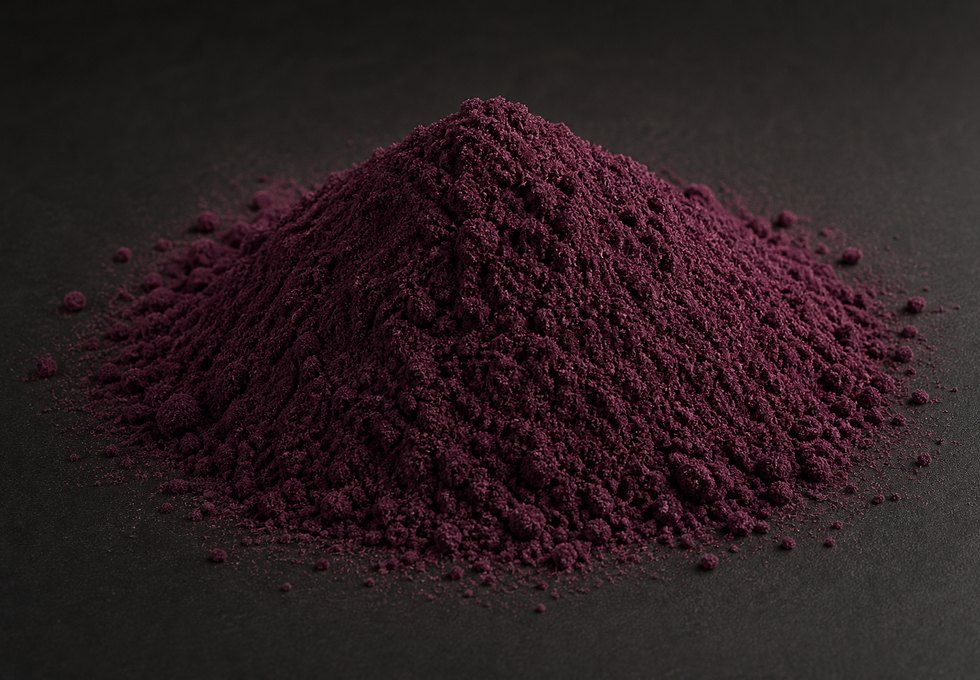
Freeze-dried açaí pulp is made from prepared pulp that is frozen and vacuum dried by sublimation into a low-moisture product.
The finished product may be powder, granule or dry piece according to specification. Its main risk is moisture or oxygen pickup, not maintaining a continuous frozen cold chain.
The specification should describe moisture, water activity when agreed, microbiology, colour, particle characteristics, ingredients, barrier packing and shelf life.
The raw material should already meet hygiene, formulation and lot requirements.
Pulp is frozen before vacuum drying.
Water is removed under controlled freeze-drying conditions.
Product becomes powder, granule or agreed format.
Packaging protects against moisture, oxygen, light and caking.
Freeze-dried açaí and frozen pulp require different specifications and logistics. Freeze-dried product is controlled as a dry product through moisture, water activity where applicable, microbiology, particle characteristics, hygroscopicity and barrier packaging; frozen pulp depends on cold-chain control.
Buying review should cover moisture, water activity when specified, microbiology, particle characteristics, colour, oxygen, hygroscopicity and barrier packing.
The finished product is usually handled dry according to contract; it should not be described with continuous frozen logistics unless specifically required.
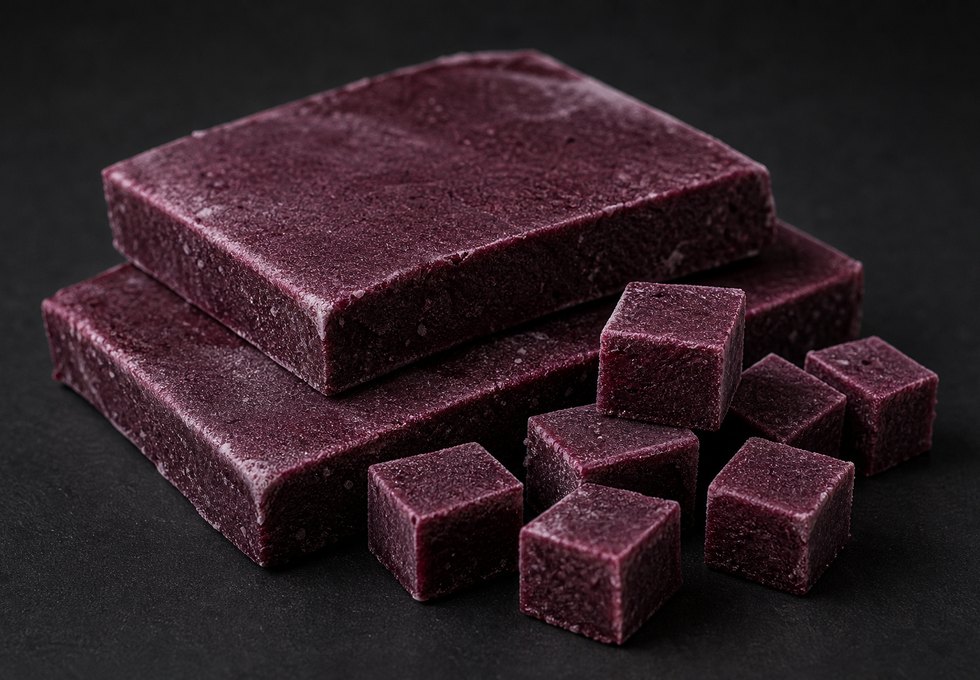
Freeze-drying reduces moisture, but the product can be hygroscopic. Packing, sealing, ambient humidity and oxygen determine stability and colour.
The documentary set should include COA, moisture, water activity if relevant, microbiology, ingredients, particle characteristics, packing, shelf life, lot and origin.
KaizenGTC reviews document consistency and commercial route without presenting the product as frozen or making undocumented functional promises.
| Element | Verification |
|---|---|
| Moisture | Confirm limit and stability of the dry product. |
| Water activity | Request when specification or destination requires it. |
| Barrier packing | Review protection from moisture, oxygen and light. |
| Particle characteristics | Define powder, granule, piece or application format. |
| Frozen comparison | Separate dry logistics from frozen pulp. |
Freeze-dried açaí is traded by process, moisture, packing and application; it does not follow the same logistics rules as frozen pulp.
| Commercial reading | Prudent use | Source / period |
|---|---|---|
| Dry ingredients | Application | Blends, beverages, confectionery and foods require moisture and particle control. |
| Barrier packing | Operational risk | Oxygen and moisture can alter colour, flow and shelf life. |
| Trade | Classification | Databases may aggregate powders or fruit preparations in broad codes. |
Sources: Codex low-moisture food references · Codex General Principles of Food Hygiene · UN Comtrade Plus
Source pulp, freeze-drying, milling or classification and lot.
Moisture, water activity when relevant, microbiology, colour and particle characteristics.
Barrier material, seal, oxygen, shelf life, weight and storage conditions.
Freeze-dried product is a low-moisture dry product; frozen pulp depends on cold chain.
It should not be assumed. Finished product is usually handled dry according to specification unless the contract states another condition.
Moisture and oxygen can affect flow, colour, stability and shelf life.
Moisture, water activity if relevant, microbiology, colour, particle characteristics, ingredients and packing.
COA, process, lot, moisture, microbiology, barrier packing, shelf life, origin and storage conditions.