
Identity
Coffea canephora, origin, process, crop year, grade and lot.
Coffea canephora green coffee reviewed by its own specification, origin, process, moisture, defects and commercial use.
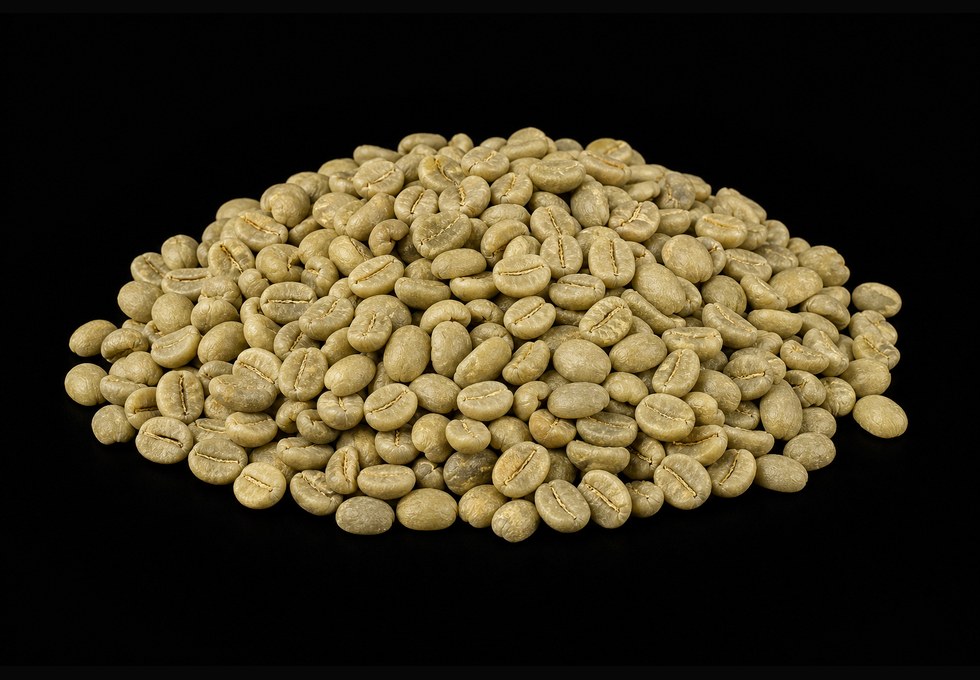
Commercial Robusta is Coffea canephora and has its own buying logic, from soluble coffee and espresso blends to origin lots with defined parameters.
The specification should cover origin, dry or washed process where relevant, screen size, defects, moisture, density, crop year and bag condition.
Comparison with Arabica helps when it stays technical: species, uses, parameters and market structures differ without requiring inferiority language.
Picking and initial selection condition defects and uniformity.
Natural, washed or other routes change drying, cleanliness and profile.
Moisture is controlled to avoid deterioration, mould and rejection.
Husks are removed and coffee is graded by screen, density and defects.
Bags, liners, marks and documentation preserve lot identity.
The secondary photo shows Arabica green coffee only as a visual comparison; it should not be read as Robusta.
Robusta may be aimed at soluble coffee, espresso blends or specific commercial uses. Each destination changes tolerances, bean size, defects and sensory reading.
Moisture, density, bag condition and odour are critical controls because they affect storage, roasting and acceptance.
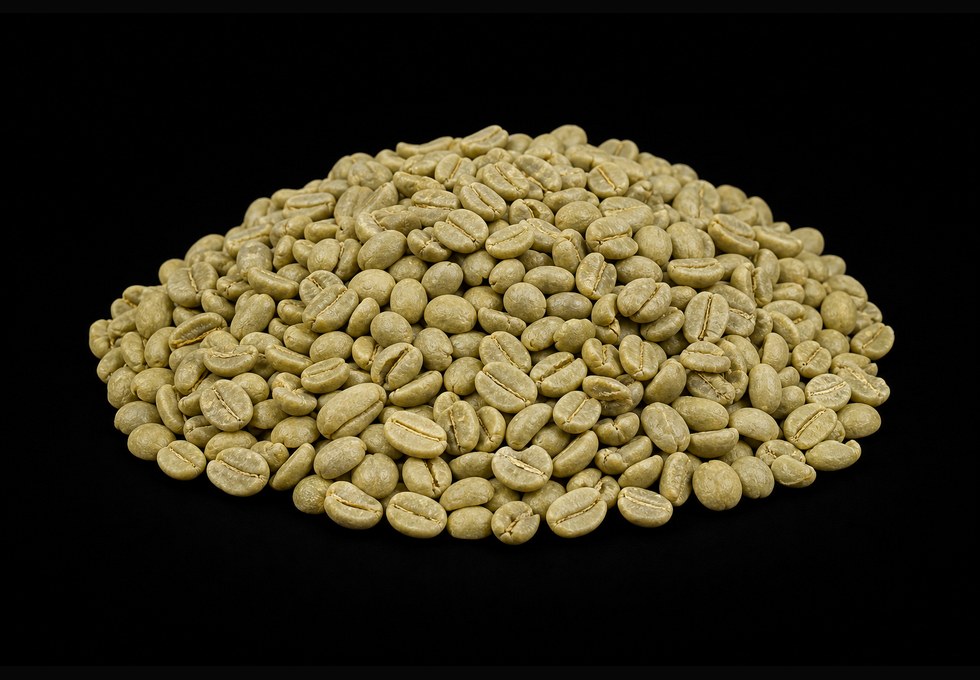
Robusta buying should not depend on comparative slogans with Arabica. It should be reviewed against final use, origin, process, defects, moisture and export documentation.
Storage should be dry, ventilated, odour-free and protective of bags or liners. Lot traceability is essential in consolidated shipments.
KaizenGTC can compare offer, documents and industrial destination without guaranteeing quality, availability or origin beyond verifiable documents.
| Element | Verification |
|---|---|
| Species | Confirm Coffea canephora and Robusta trade name. |
| Screen and defects | Align grading with contract, origin and destination. |
| Moisture | Control stability, mould and logistics condition. |
| Use | Separate soluble, espresso blend, commercial roasting or origin-specific use. |
| Documents | Origin, crop year, process, lot, marks and export documents. |
Robusta participates in soluble, blend and commercial roasting chains; value is read through specification, origin supply and final use.
| Commercial reading | Prudent use | Source / period |
|---|---|---|
| ICO | Coffee sector | The International Coffee Organization provides reports and world market context. |
| USDA FAS | Production and trade | The Coffee: World Markets and Trade circular gives campaign context. |
| Industrial use | Demand | Soluble coffee and blends value their own parameters, not a simplistic Arabica comparison. |
Sources: International Coffee Organization · USDA FAS Coffee circular · Codex General Principles of Food Hygiene
Coffea canephora, origin, process, crop year, grade and lot.
Screen, defects, moisture, density, odour and bag condition.
Marks, weight, phytosanitary, origin and shipping documents.
It is the botanical species commonly traded as Robusta.
No. It has its own uses, commercial profiles and parameters; the contract should evaluate destination and specification.
They influence uniformity, roasting, commercial grading, value and lot acceptance.
Soluble coffee, espresso blends, commercial roasting and specific lots by origin and contract.
Origin, crop year, process, screen, defects, moisture, lot, bag marks, phytosanitary and shipping documents.