
Identity
Species, origin, process, crop year, farm or cooperative when relevant and lot.
Coffea arabica green coffee reviewed by process, origin, screen size, defects, moisture and export file.
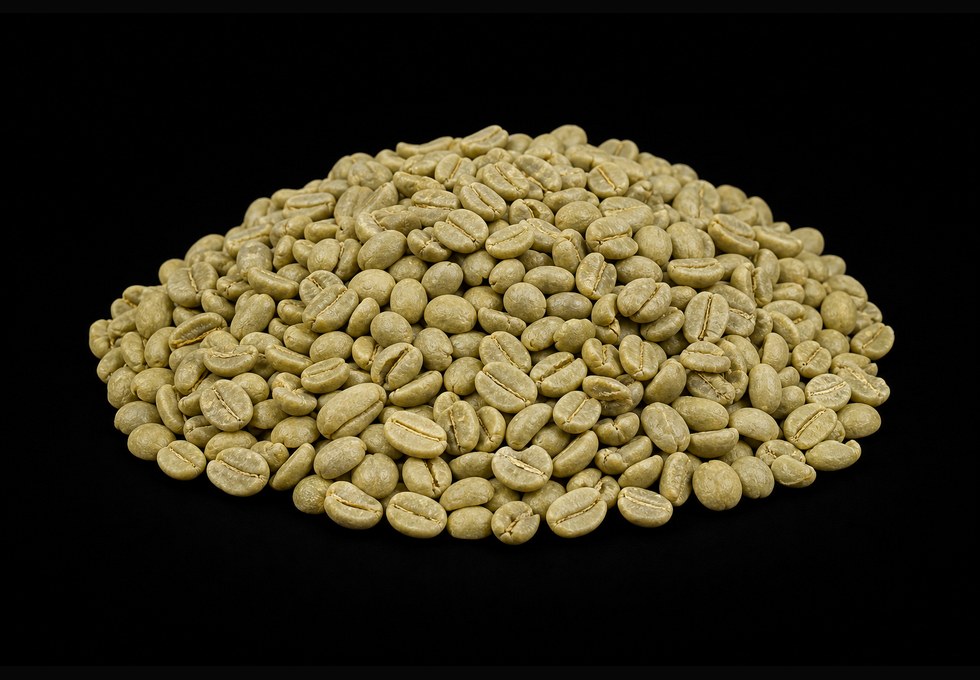
Arabica green coffee is bought before roasting and validated by species, process, origin, crop year, screen size, defects, moisture and lot.
Arabica should not be described only as premium or made dependent on altitude alone. Washed, natural, honey or pulped-natural processes change drying, defects, profile and documentation.
Comparison with Robusta should be technical: Coffea arabica and Coffea canephora have different commercial logics, without reducing them to a simple hierarchy.
Ripeness and initial selection condition defects and uniformity.
Washed, natural or honey routes define fermentation, drying and lot attributes.
Moisture is reduced and stabilised for storage and export.
Parchment or husk is removed and coffee is graded by screen, density and defects.
Bags, liners, lot marks and documents accompany export.
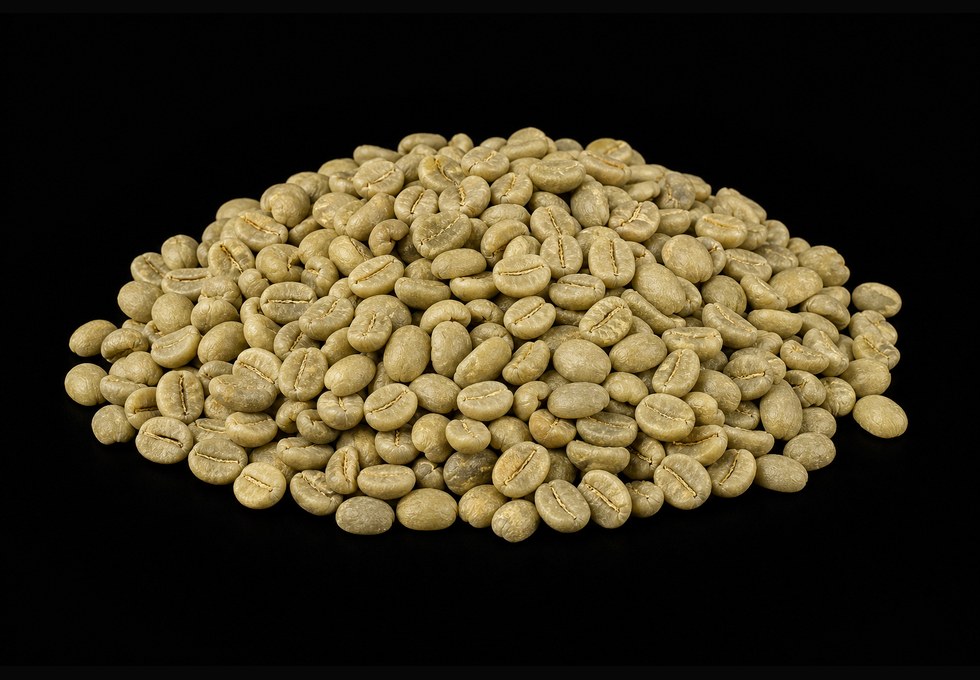
The secondary photo shows Robusta green coffee only as a visual comparison; it does not illustrate the Arabica lot.
Screen size, defect count, moisture, density, water activity when agreed, crop year and process are more useful than commercial adjectives.
Cup quality may appear when supported by cupping or an agreed protocol; it should not be inferred from altitude or origin alone.
Green coffee needs dry, ventilated storage, odour protection, moisture control and protection of bag or liner. Lot identity should not be lost in consolidation.
The documentary set should include origin, crop year, process, screen, grade or defects, moisture, weight, bag marks, phytosanitary or export certificate and shipping documents.
KaizenGTC can review the commercial consistency of an Arabica offer without promising farm, stock, sensory quality or availability.
| Element | Verification |
|---|---|
| Species | Confirm Coffea arabica and separation from Robusta. |
| Process | Declare washed, natural, honey or another relevant route. |
| Screen and defects | Align grading with origin, contract and roasting destination. |
| Moisture | Control stability, mould and logistics condition. |
| Crop year | Tie harvest, lot and export documents together. |
Commercial analysis should separate production, export, quality differentials and lot documentation; calling coffee Arabica is not enough.
| Commercial reading | Prudent use | Source / period |
|---|---|---|
| ICO | Coffee sector | The International Coffee Organization publishes sector references and market reports. |
| USDA FAS | Production and trade | The Coffee: World Markets and Trade circular gives campaign context. |
| Origin | Document risk | Origin-country authorities and exporters should support lot, process and documents. |
Sources: International Coffee Organization · USDA FAS Coffee circular · Codex General Principles of Food Hygiene
Species, origin, process, crop year, farm or cooperative when relevant and lot.
Screen, defects, moisture, density, cupping when applicable and bag condition.
Marks, weight, phytosanitary, certificate of origin and shipping documents.
Arabica is Coffea arabica; Robusta is Coffea canephora. Botany, uses, markets, parameters and commercial profiles differ.
Screen describes bean size; defects classify damaged beans or materials that affect value and use.
No. They change process, drying, defect risk and commercial lot attributes.
No. It should be read with variety, process, drying, grading, cupping and documents.
Origin, crop year, process, screen, defects, moisture, lot, bag marks, phytosanitary and shipping documents.