
Product specification
Huso huso, contractual definition of 000, agreed grain size, colour, texture, salt, format and net weight.
Technical guide to Beluga 000 Caviar: Huso huso, grade definition, quality, cold chain and CITES traceability.
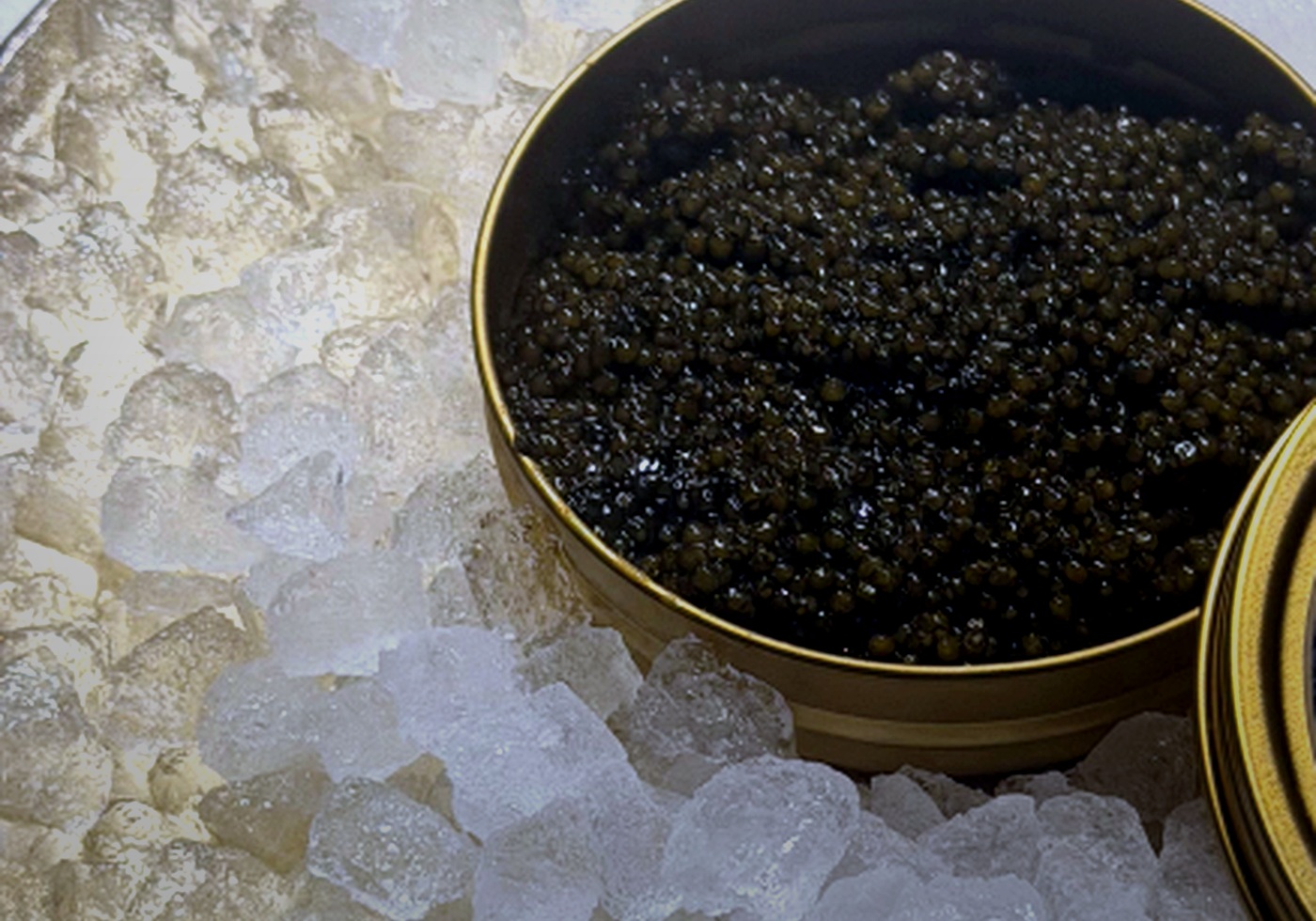
Beluga is the usual name that Codex CXS 291-2010 links to caviar from Huso huso. Like other sturgeon caviar covered by the standard, it is made from Acipenseridae eggs treated with food-grade salt and intended for direct human consumption.
“000” is used commercially as a grain-size or selection descriptor, but Codex does not establish a universal grade called 000. A B2B offer should state exactly what it means: agreed diameter or size range, uniformity, colour, firmness, salt, sensory condition and any acceptance tolerance.
Beluga is positioned mainly in fine dining, luxury hospitality, premium catering and specialist retail. In international trade, commercial value should be supported by species identity, CITES traceability, lot integrity and preservation conditions.
Confirm Huso huso and HUS code.
Eggs treated with food-grade salt and assigned to a defined lot.
Define the 000 criterion, actual grain size, colour and firmness contractually.
Verify CITES label, source, origin, plant and lot.
Maintain specified temperature conditions through storage and transport.
Codex CXS 291-2010 recognizes Beluga as the usual name for Huso huso and sets salt content for sturgeon caviar at 3–5 g/100 g. The standard also considers species-appropriate size and colour, odour and flavour, consistency, broken eggs or fluid and foreign matter.
To avoid ambiguity, “000” should be converted into a measurable specification. State the actual grain-diameter range where agreed, uniformity, colour, firmness, salt content, pack format, net weight, production date, shelf life and acceptance limits.
Species and grain grade are separate controls: Huso huso identifies biological origin; “000” describes a commercial selection. Neither should be inferred from appearance or offer wording alone.
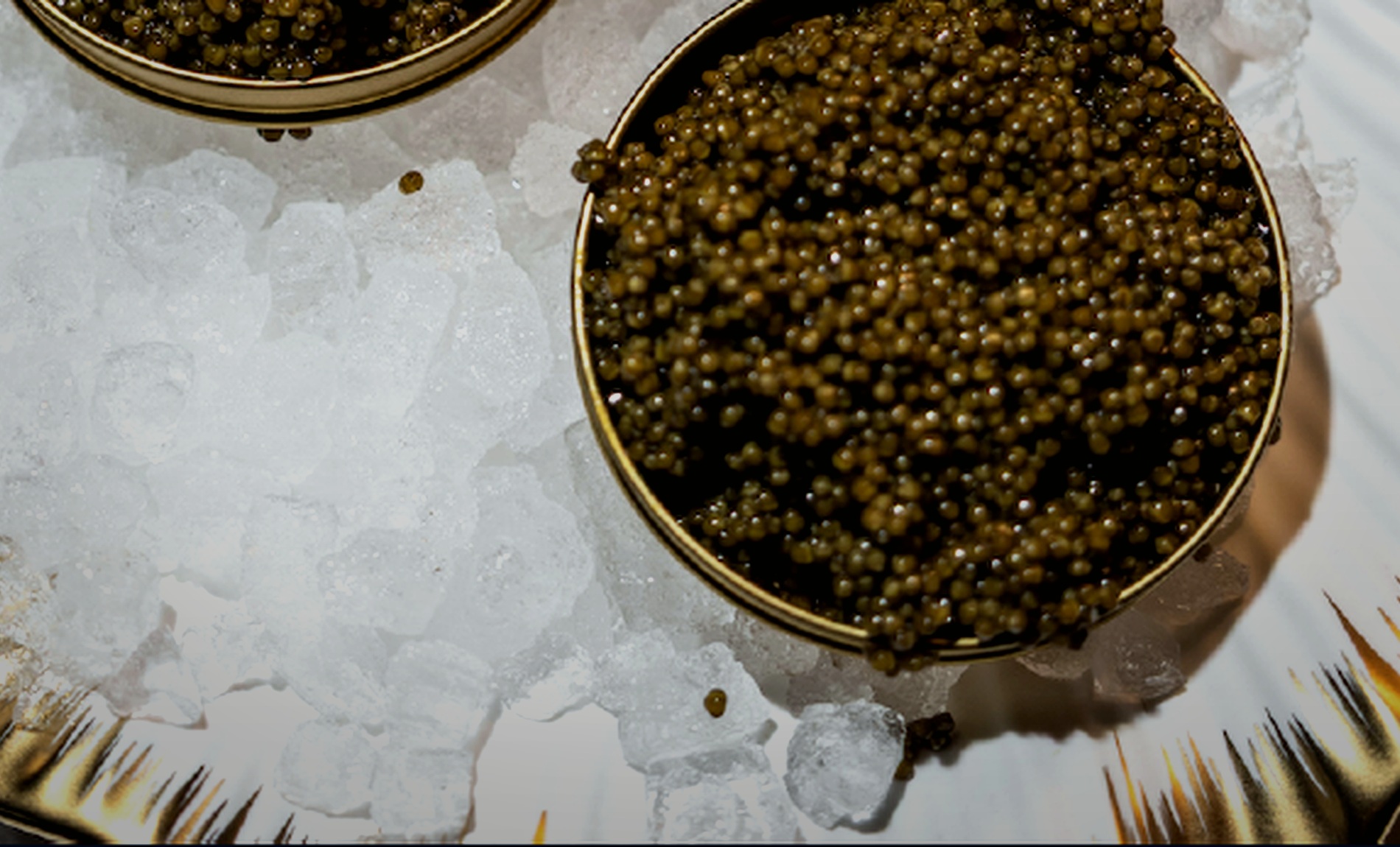
CXS 291-2010 uses +2 °C to +4 °C as the reference during packing, storage and retail, and 0 °C to −4 °C for wholesale storage and transportation. Producer instructions, declared shelf life and destination rules must also be observed.
Under CITES, Huso huso uses the species code HUS. The non-reusable primary-container label carries species, source, country of origin, year, registered plant and lot data. Consistency between that label and applicable permits or certificates is a core legal-trade control.
The commercial file should tie the same lot across specification, CITES label, sanitary certificate where applicable, logistics documents and temperature evidence. The commercial premium attached to the Beluga 000 name does not replace that evidence.
| Element | Verification |
|---|---|
| Species | Confirm Huso huso; Codex uses Beluga as the usual name and CITES uses code HUS. |
| “000” grade | Define the grain-size range or concrete criteria contractually; do not assume a universal scale. |
| Salt | Declare and verify content; Codex sets 3–5 g/100 g for product covered by CXS 291-2010. |
| Condition | Check firmness, broken eggs, free fluid, odour and flavour. |
| Pack and lot | Verify weight, closure, date, shelf life and documentary consistency. |
| CITES | Verify non-reusable label, source, origin, plant and lot number. |
Beluga is a high-value commercial designation, but an international transaction should first be read through species, traceability and destination access. Three layers should be separated:
| Market | Role | Context / period |
|---|---|---|
| Product | SPECIFICATION | Huso huso, definition of 000 grade, actual grain size, colour, salt, texture, packing and shelf life. |
| International trade | CITES | Documentation and labelling should support species, source, origin, plant and lot. |
| Destination | MARKET ACCESS | Sanitary, import and food-labelling requirements are validated for the buyer country. |
Sources: Codex CXS 291-2010 · CITES Resolutions · CITES Trade Database · CITES sturgeon and paddlefish trade guidance
Huso huso, contractual definition of 000, agreed grain size, colour, texture, salt, format and net weight.
Applicable CITES label and documentation, HUS code, lot, plant, origin, sanitary certificate where required and shelf-life statement.
Package condition, temperature instructions and evidence, packing list and transport documents tied to the lot.
Beluga identifies caviar from Huso huso under Codex. “000” is a commercial selection or grain-size descriptor and should be defined in the contract through a size range or other verifiable criteria.
No. CXS 291-2010 defines the product and the Beluga name, but it does not establish a universal 000 grading scale. Seller and buyer should define the criterion in the specification.
CXS 291-2010 sets salt content at 3–5 g/100 g for sturgeon caviar covered by the standard.
The species identification code used for Huso huso is HUS. It should be consistent with the label, lot and applicable CITES documentation.
Codex states 0 °C to −4 °C for wholesale storage and transportation, alongside producer instructions and destination requirements.
Request the technical specification, Huso huso identity, definition of 000 grade, applicable CITES label and documentation, sanitary certificate where required, lot, shelf life, packing and cold-chain evidence.