Animal protein / Beef Beef B2B beef catalogue for structuring enquiries by carcass format, boneless format, cut, cold-chain condition, packing, destination and documents.
KaizenGTC · site-owned editorial asset · source Home / Animal Protein / Beef Beef catalogue Beef procurement is defined by product, cut and destination Beef should not be read as one single offer. Each enquiry should separate carcass, half carcass, boneless format, individual cut, chilled or frozen condition, packing and sanitary file.
KaizenGTC structures the commercial conversation so buyer and counterparty work from the same description before origin, volume, port, Incoterm, documents and transaction availability are reviewed.
Family Beef
Products 20 sheets
Logic cut + destination
Market no physical price published
Commercial product sheets Beef commercial catalogue The catalogue combines carcass formats, boneless beef and individual cuts. Each page guides the enquiry toward specification, cold chain, packing, documentation and destination without publishing physical price or availability.
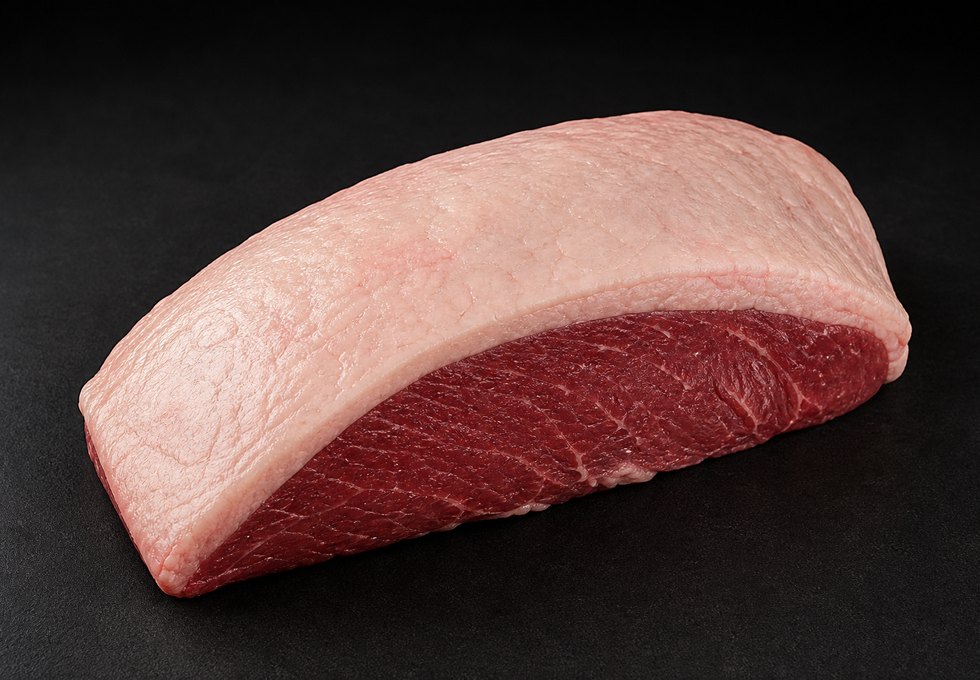
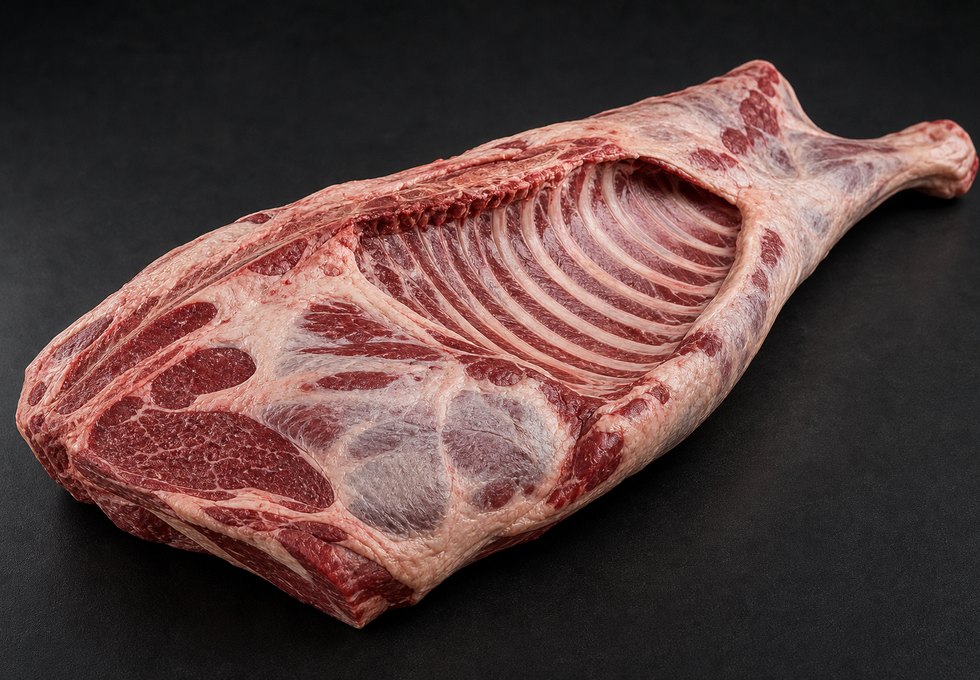
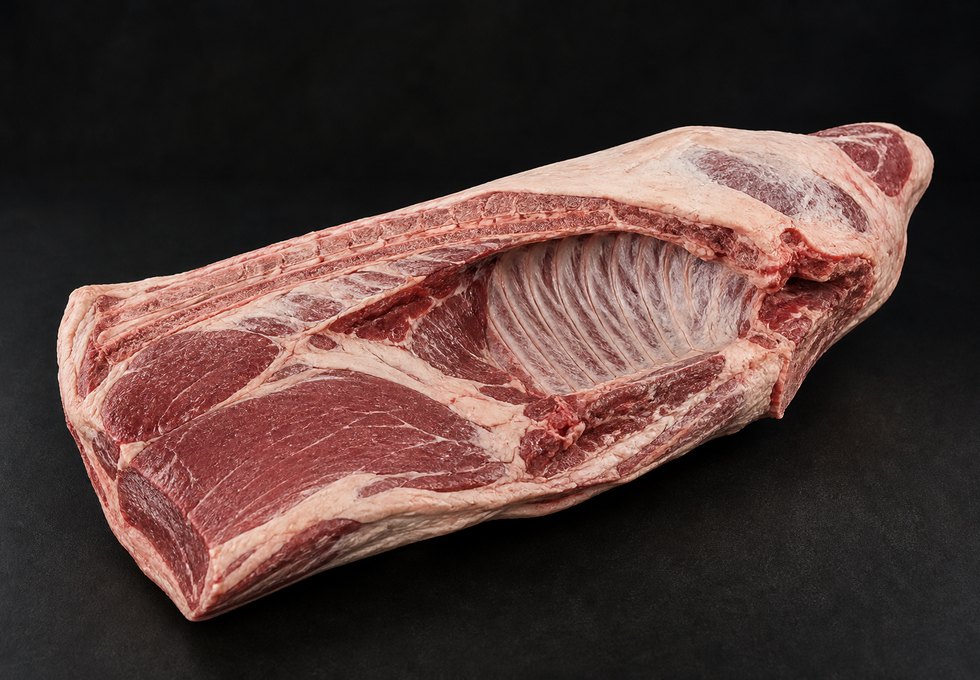
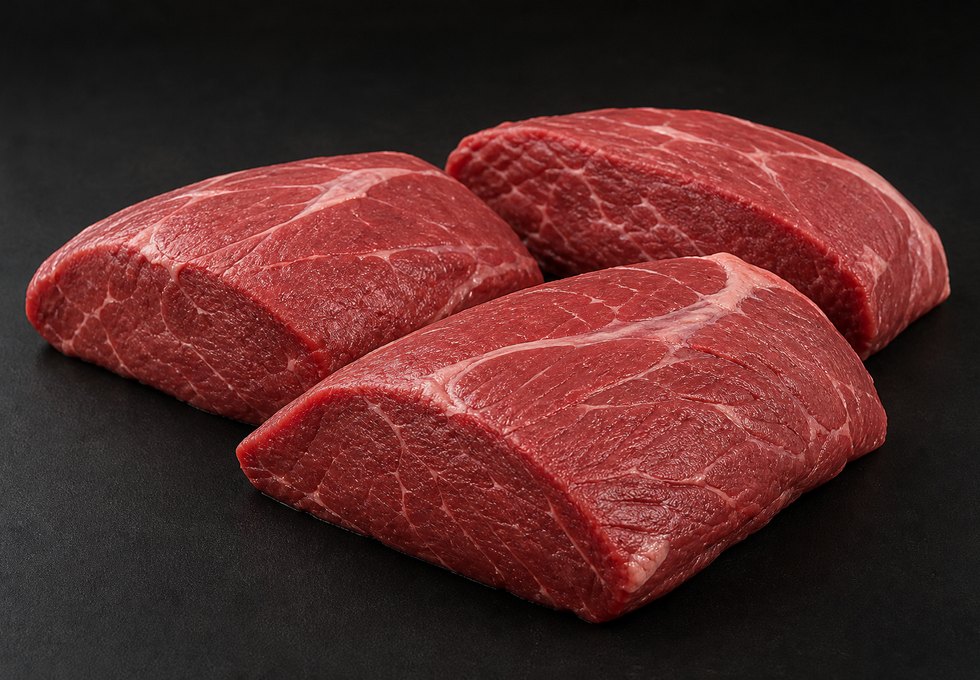
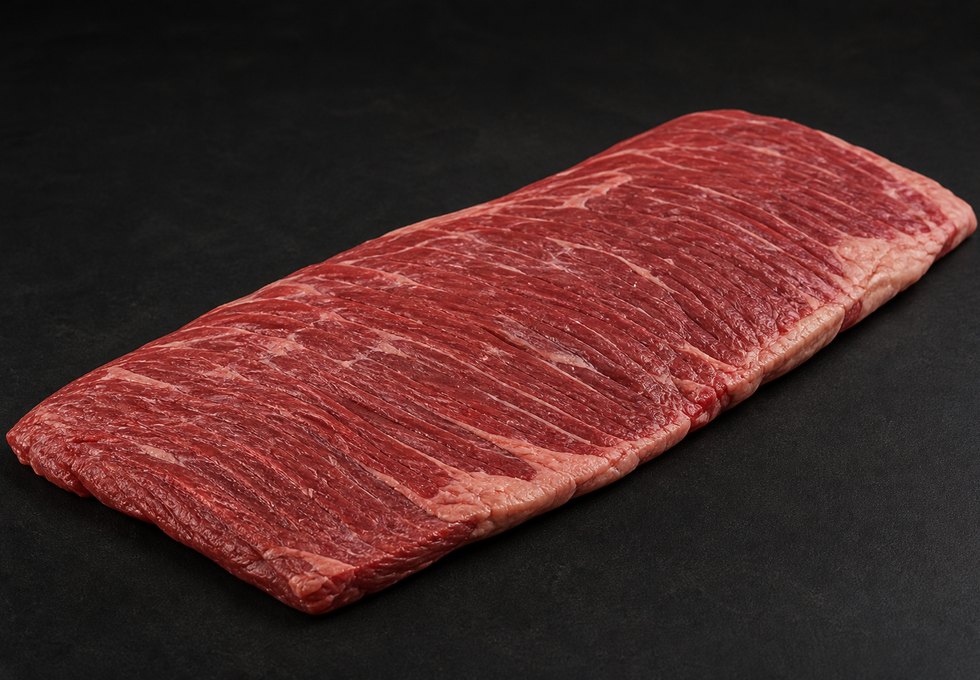
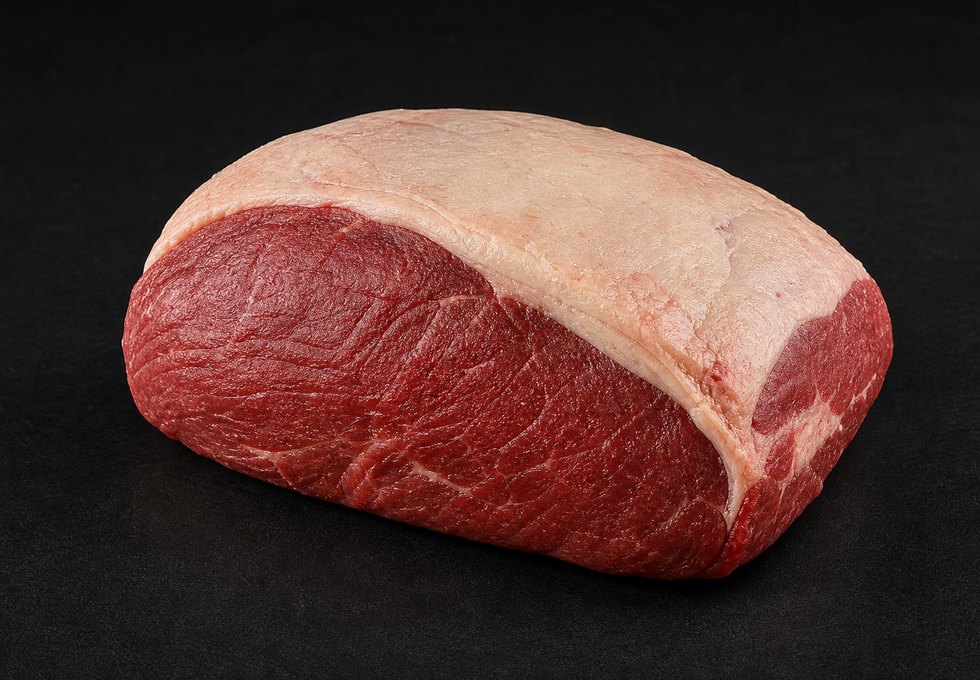
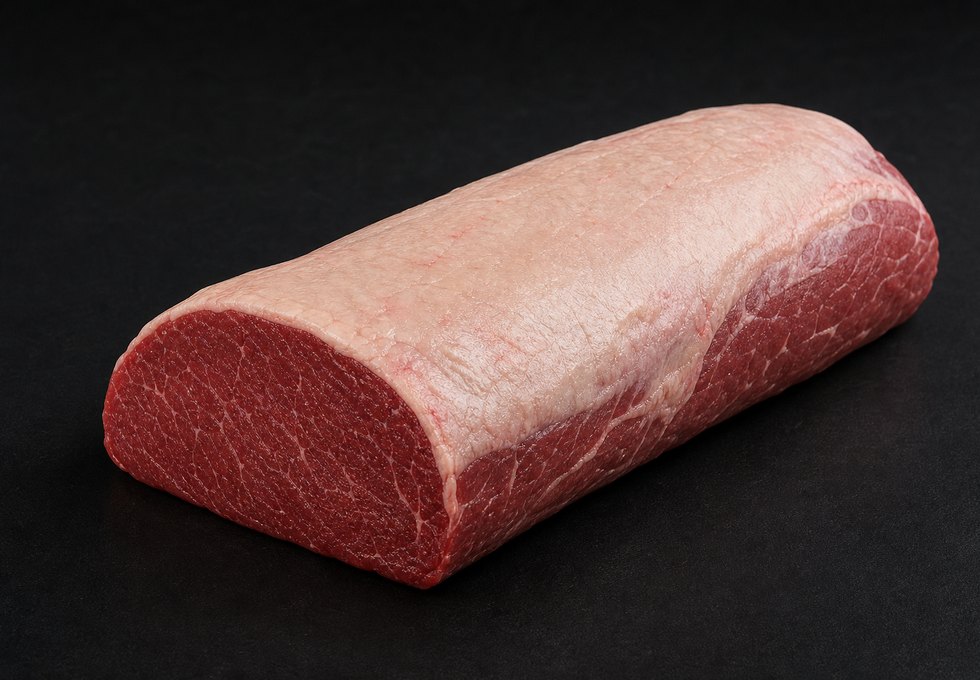
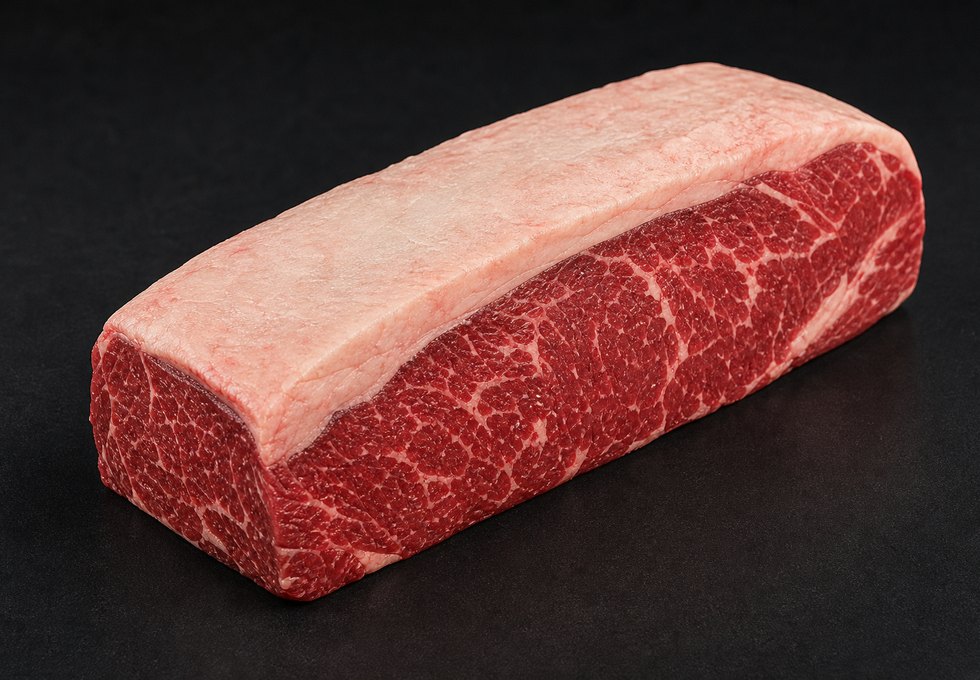
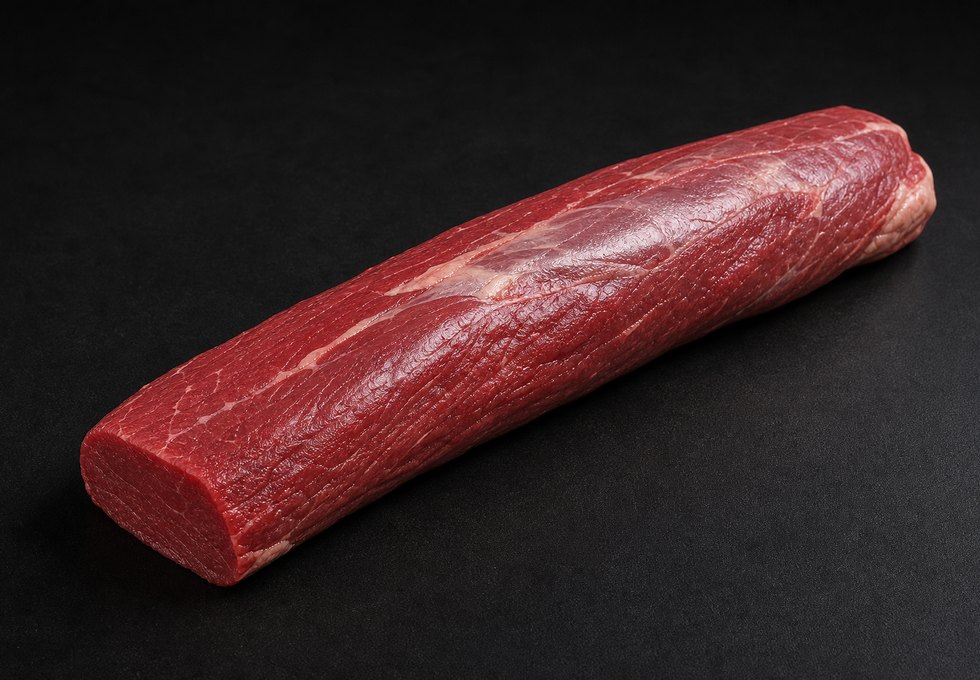
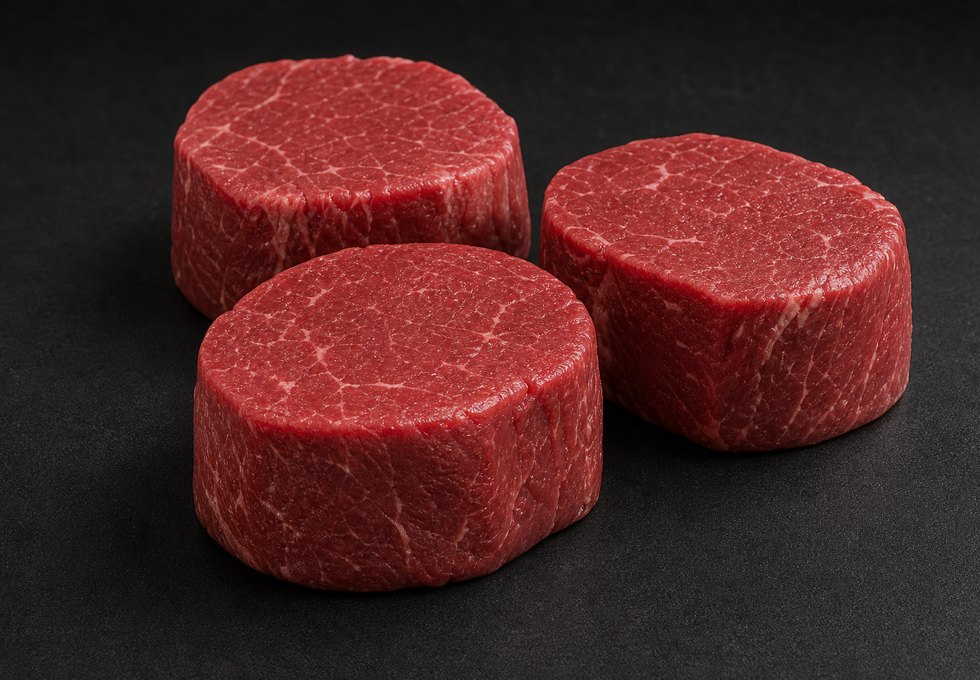
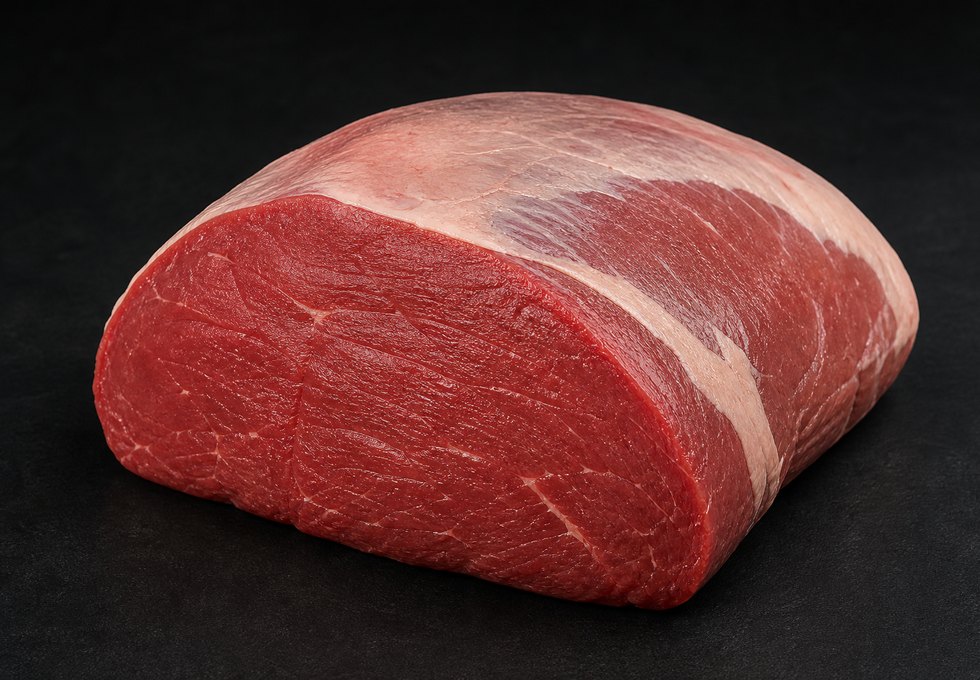
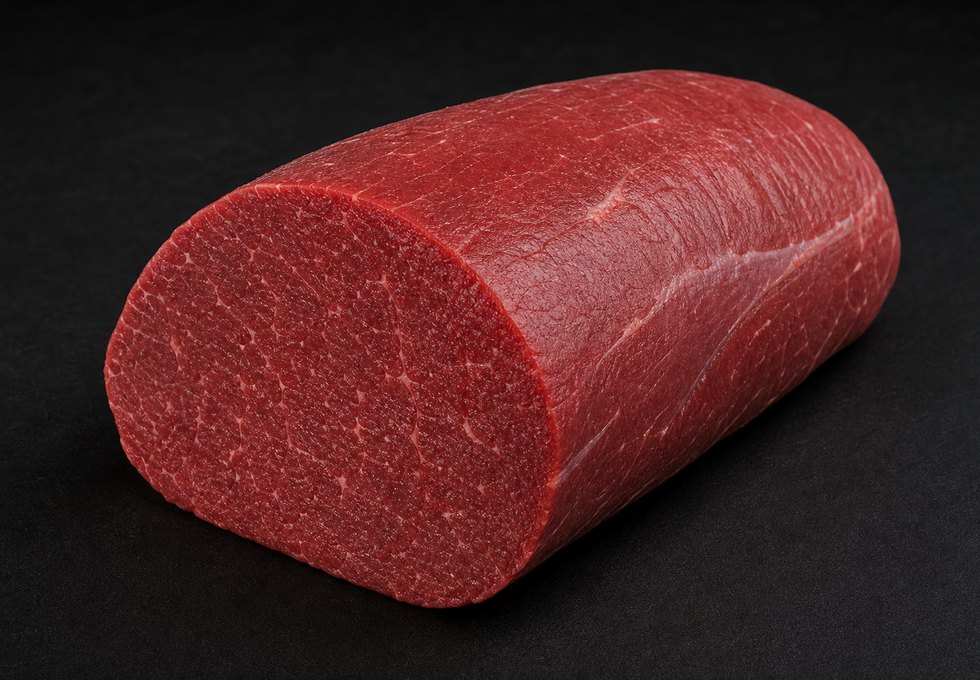
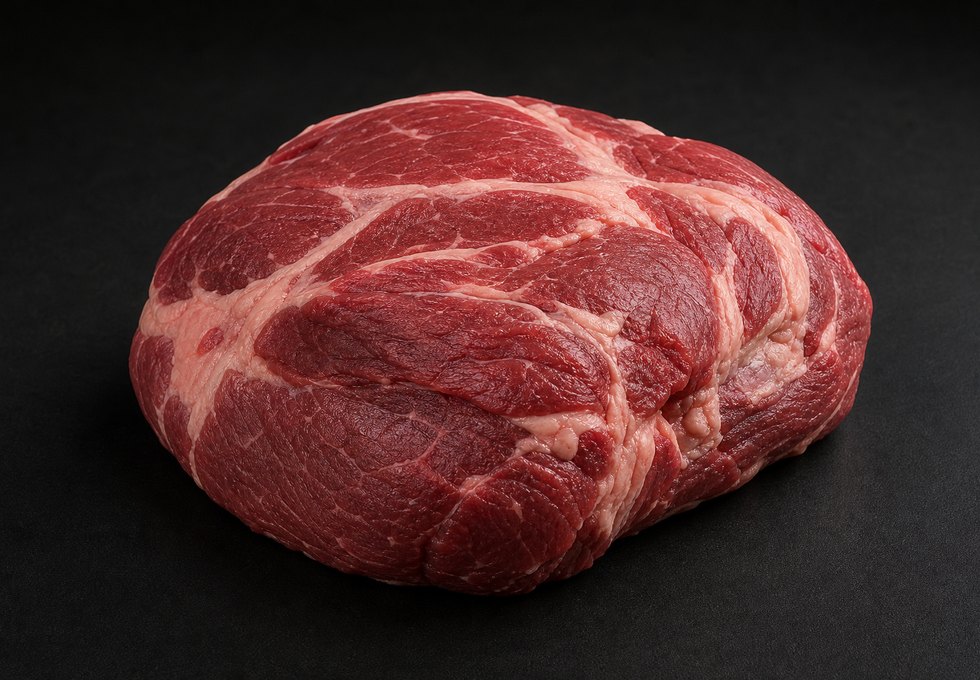
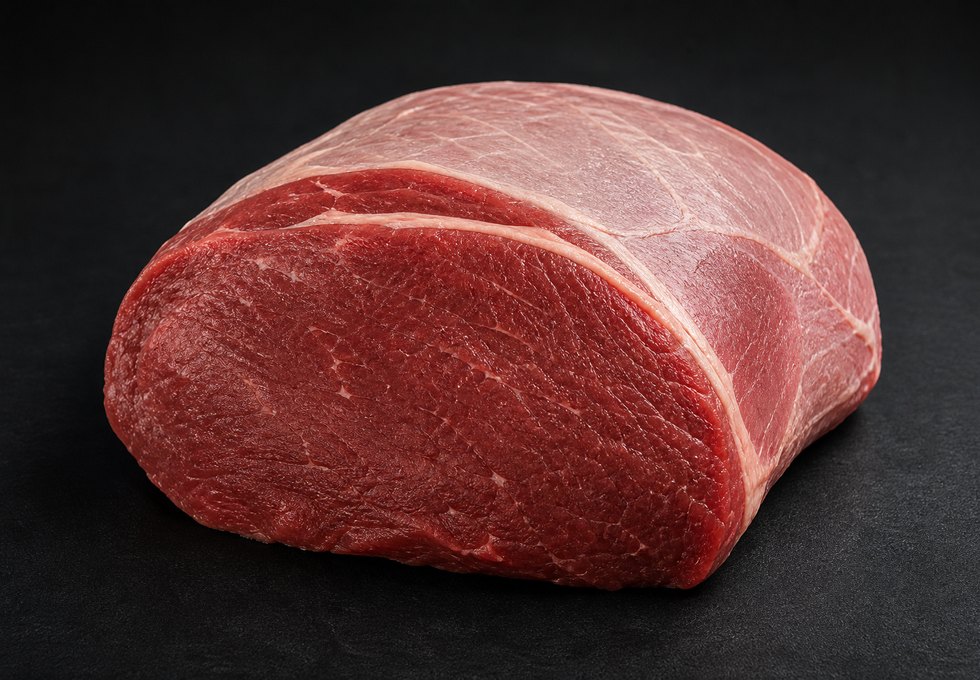
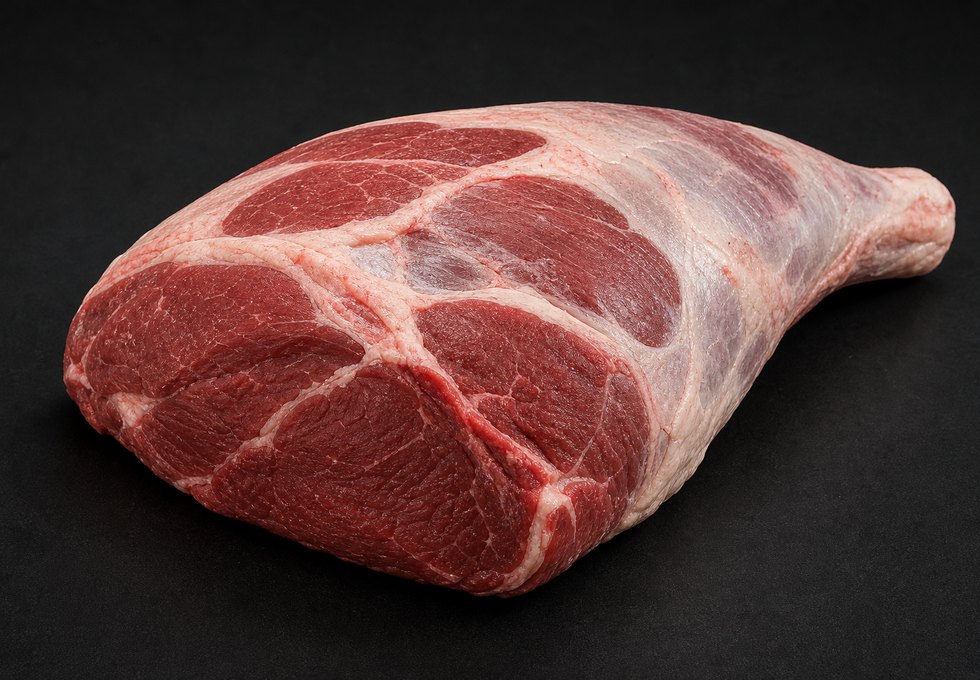
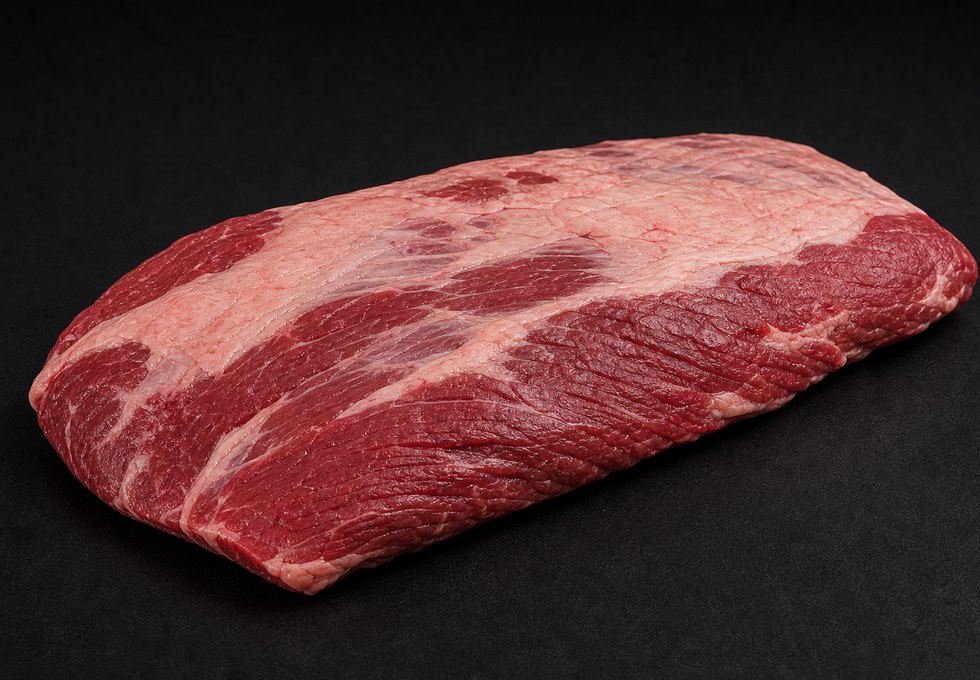
Whole Carcass Half Carcass Boneless Beef Frozen Boneless Beef Brisket Rib Shoulder Flank Rump Rump Cap Sirloin Striploin Tenderloin Filet Mignon Topside Eye of Round Knuckle Leg Ball Leg Cap Product sheet Complete carcass with defined weight, cold chain and identification.
Family Beef
Key contract specification
Control cut, cold chain and destination Product sheet Half carcass for operations requiring specific handling.
Family Beef
Key contract specification
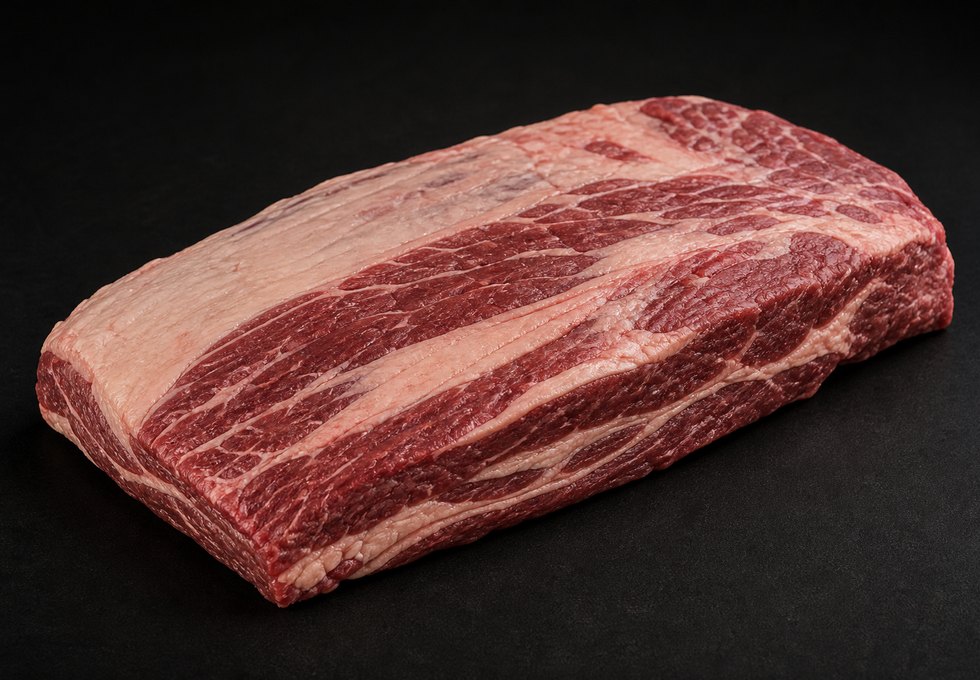
Control cut, cold chain and destination Product sheet Broad format requiring muscle scope, trim and packing.
Family Beef
Key contract specification
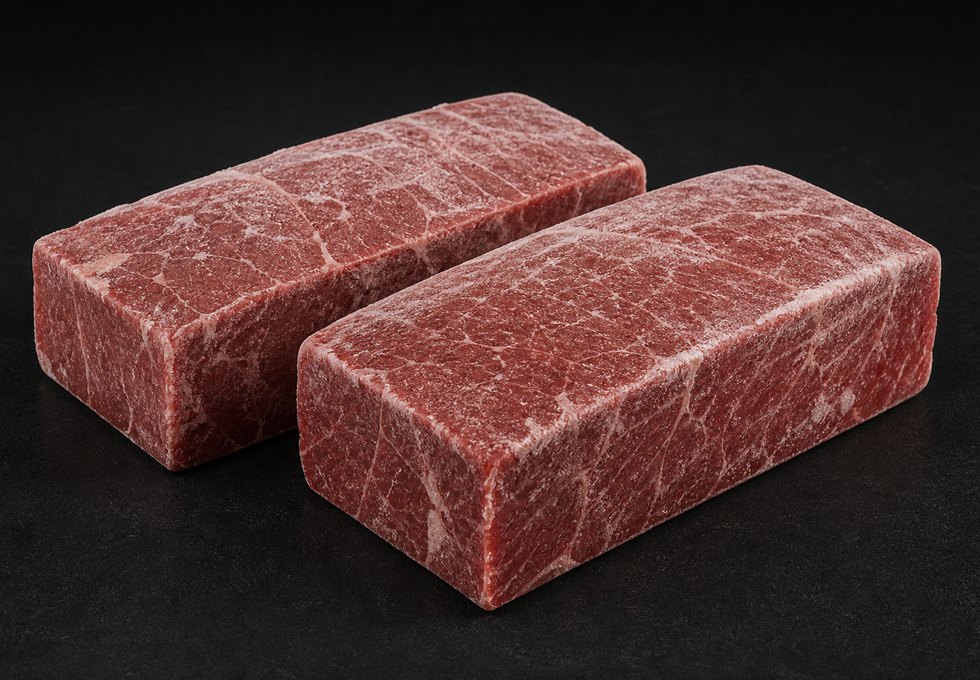
Control cut, cold chain and destination Product sheet Boneless product where frozen condition is central.
Family Beef
Key contract specification
Control cut, cold chain and destination Product sheet Cut sensitive to scope, bone condition, fat cover and trim.
Family Beef
Key contract specification
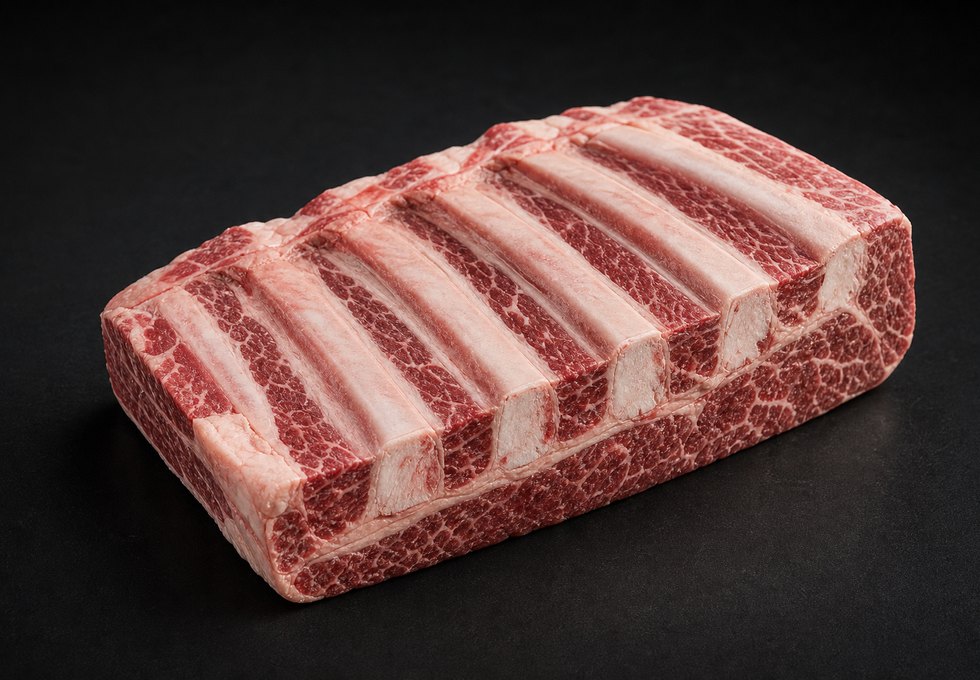
Control cut, cold chain and destination Product sheet Rib section that must be defined by specification.
Family Beef
Key contract specification
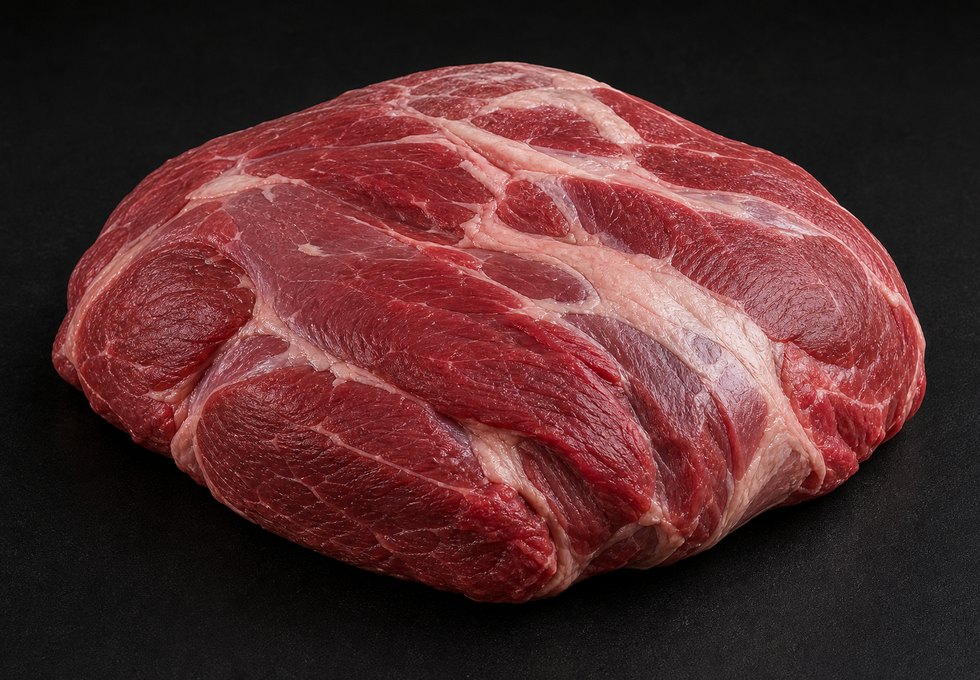
Control cut, cold chain and destination Product sheet Shoulder with fabrication and terminology to be confirmed.
Family Beef
Key contract specification
Control cut, cold chain and destination Product sheet Regionally sensitive cut requiring precision.
Family Beef
Key contract specification
Control cut, cold chain and destination Product sheet Hindquarter cut that must be differentiated from rump cap.
Family Beef
Key contract specification
Control cut, cold chain and destination Product sheet Terminology-sensitive piece defined by fat cover, trim and naming.
Family Beef
Key contract specification
Control cut, cold chain and destination Product sheet Sirloin cut to be validated by commercial specification.
Family Beef
Key contract specification
Control cut, cold chain and destination Product sheet Striploin cut subject to scope, trim and destination.
Family Beef
Key contract specification
Control cut, cold chain and destination Product sheet Fine cut requiring defined cut sheet and packing.
Family Beef
Key contract specification
Control cut, cold chain and destination Product sheet Premium presentation to be closed by scope and trim.
Family Beef
Key contract specification
Control cut, cold chain and destination Product sheet Leg cut for wholesale or industrial programmes.
Family Beef
Key contract specification
Control cut, cold chain and destination Product sheet Round muscle cut requiring defined sizing and packing.
Family Beef
Key contract specification
Control cut, cold chain and destination Product sheet Lean leg cut with contractual scope.
Family Beef
Key contract specification
Control cut, cold chain and destination Product sheet Leg muscle for programmes with defined specification.
Family Beef
Key contract specification
Control cut, cold chain and destination Product sheet Leg set to be described by deboning scope and destination.
Family Beef
Key contract specification
Control cut, cold chain and destination Product sheet Cap cut subject to scope, trim and final use.
Family Beef
Key contract specification
Control cut, cold chain and destination Commercial enquiry Do you have a beef purchase requirement? Share product or cut, specification scope, cold-chain condition, volume, destination, port, Incoterm, packing and required sanitary documents or certifications.
FAQ Beef FAQ Does KaizenGTC guarantee beef origin or stock? No. Origin, plant, stock and availability are validated only within a specific transaction.
Are beef cut names universal? No. Terminology changes by country, plant, market and cut sheet; the contractual description prevails.
Does the page publish physical prices? No. The information is editorial and specification-oriented; any price must come from a validated physical offer.
Back to Animal Protein Send enquiry