
Technical sheet
Colour, polarisation, moisture, ash, grain size, microbiology and shelf life.
Refined white sugar reviewed through ICUMSA colour, food-grade specification, moisture control, packaging and documentary traceability.
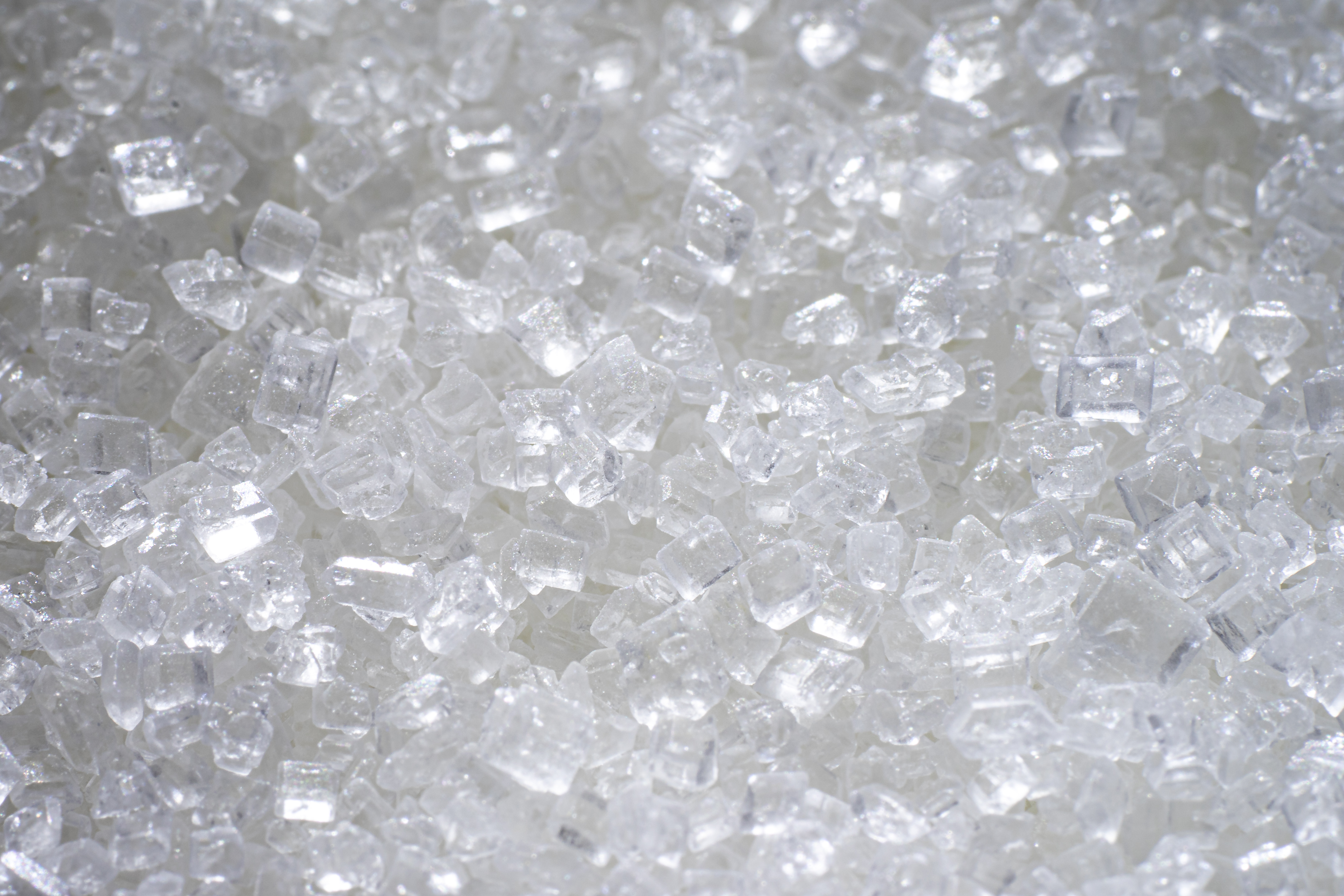
ICUMSA 45 is a trading expression for refined white sugar with very low colour measured by methods of the International Commission for Uniform Methods of Sugar Analysis. The number does not mean 45% purity or a product concentration; it describes a colour reading inside a specification.
A technical sheet should show more than colour. For a B2B transaction, the review should include polarisation, moisture, conductometric ash, grain size, solubility, SO2 where applicable, foreign matter, microbiological criteria, shelf life, country of origin and the food rules of the destination market.
Cane or beet raw material.
Initial removal of surface molasses.
Filtration and decolouring of syrup.
Crystal formation, drying and sizing.
ICUMSA colour, moisture, polarisation and ash.
The chain may start with raw cane or beet sugar that is affinated, dissolved, clarified, filtered, decoloured and crystallised. The technical objective is to remove impurities, reduce colour and obtain uniform crystals suitable for food or industrial use.
ICUMSA colour is measured on prepared samples under the applicable method, not by visual inspection. Lighting, crystal size and photography can mislead; the certificate should state method, laboratory, date, lot and result.
Colour can deteriorate if the product absorbs moisture, is contaminated by dust, is stored near strong odours or is exposed to unsuitable temperature and ventilation conditions.
| Element | Commercial reading |
|---|---|
| ICUMSA colour | Indicates technical whiteness and should be reported with method and agreed limit. |
| Polarisation | Approximates sucrose content and helps compare refined quality. |
| Moisture | Affects flow, caking, shelf life and rejection risk at destination. |
| Ash | Signals residual mineral salts and refining-process control. |
| Grain size | Affects dissolution, industrial dosing and retail appearance. |
ICUMSA 45 is often positioned above white sugars with higher colour when the buyer needs bright appearance, quick dissolution and low colour impact in drinks or foods. Even then, final use determines whether fine crystal, standard granulated sugar, retail packs, industrial bags or big bags are required.
Comparing only colour leaves important risks aside. The importer should review food regulations, microbiological limits, allergens, food-contact material, pallet treatment or fumigation, and sanitary documentation required by the destination.
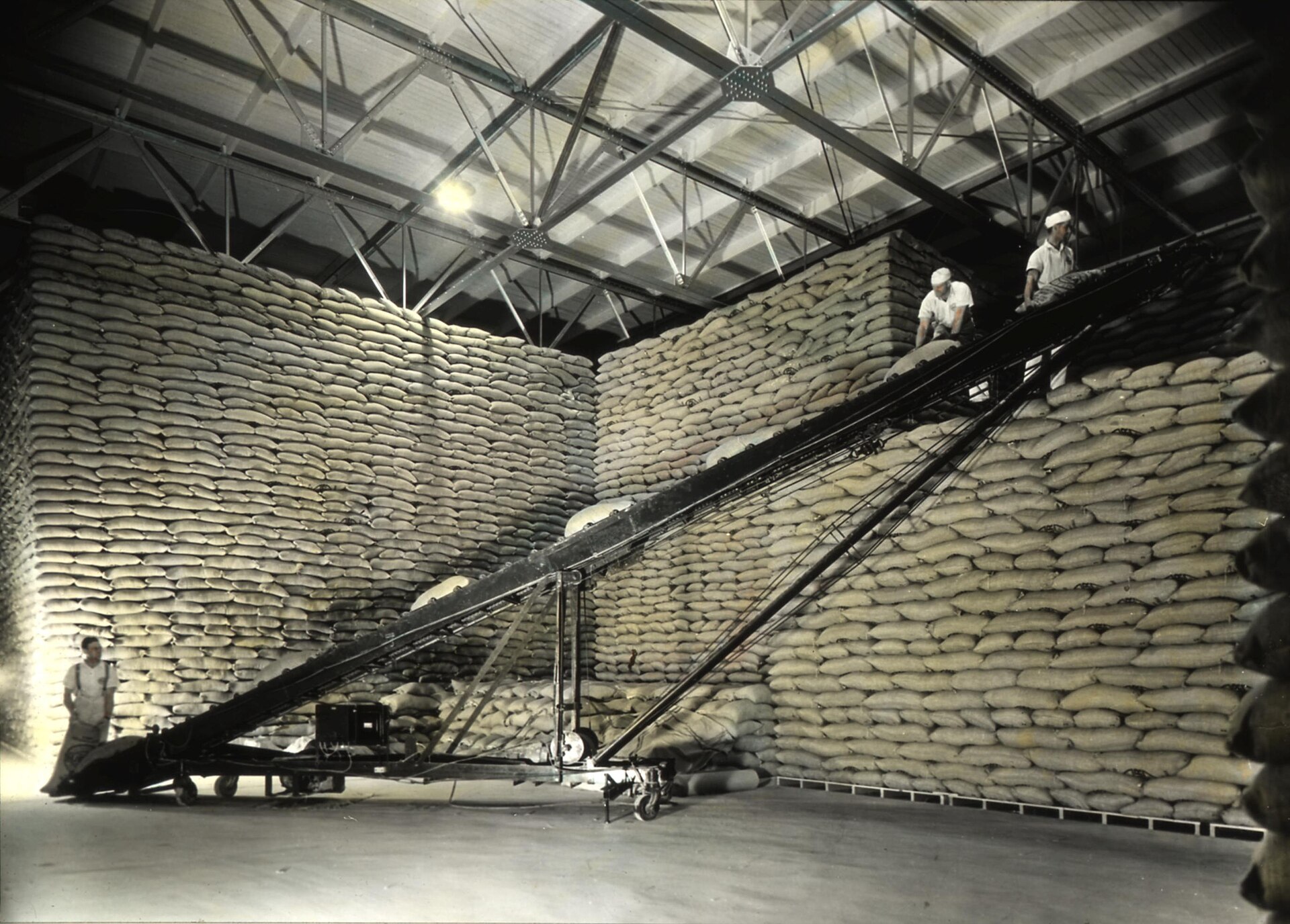
Refined sugar logistics require clean food-grade packaging, liners where needed, dry pallets, odour-free containers, moisture control and protection from rain during loading and discharge. Sugar absorbs odours and humidity, so the container history matters.
Maritime operations should coordinate container inspection, loading photos, seals, packing list, sanitary or phytosanitary certificate where applicable, certificate of origin, invoice, packing documents and bills of lading consistent with the tariff heading.
ICUMSA 45 should be explained as a colour reading, not as a purity percentage. ICUMSA is associated with uniform sugar-analysis methods; its units allow colour comparison under defined conditions. In trade, the number 45 identifies very low-colour refined white sugar, but a technical sheet must contain more parameters.
Refining may include affination, dissolution, clarification, filtration, decolouring, evaporation, crystallisation, centrifuging, drying and sizing. Each stage seeks to reduce colour, ash and non-sugar matter while keeping crystals suitable for foods, beverages or industrial processing.
Polarisation helps read sucrose content, but it should not stand alone. Moisture, ash, reducing sugars, granulometry, foreign matter and microbiological criteria affect flow, shelf life, dissolution and buyer acceptance. Sugar with good colour can still fail because of caking, moisture or poor packaging.
Logistics are part of quality. Food-grade bags, liners, dry pallets, clean containers, absence of odours, rain protection and warehouse ventilation protect the product. Sugar absorbs moisture and odours, so container history and loading photos have practical value.
ICUMSA 45 is used in beverages, confectionery, bakery, dairy, processed foods and retail distribution where neutral colour and fast dissolution matter. In some industrial uses a darker grade may be sufficient; the buyer should select by application, not by commercial prestige alone.
The distinction between origin and specification also matters. Brazil, India, Thailand and other origins may offer refined sugar, but country does not replace a COA. Specification, lot, producer or mill, exporter and sanitary documents decide acceptability.
The page should avoid universal buyer tables. Instead it presents parameters to request and compare against the contract: colour, polarisation, moisture, ash, granulometry, microbiology, packaging, production date and shelf life.
Commercial comparison should join ICUMSA colour, polarisation, moisture, ash, granulometry and reducing sugars with bag weight, liner type, warehouse condition, container history and destination food documentation. Refined sugar can lose value through handling even when analytical colour is correct, so two ICUMSA 45 offers should not be treated as interchangeable until packing and storage evidence also match. For beverage or food-processing buyers, dissolution behaviour, foreign-matter control and microbiological documentation may matter as much as the headline colour number. Bag inspection should also confirm stitching, liner integrity, lot coding and whether the retained sample represents the loaded consignment rather than a generic mill reference.
| Element | Verification |
|---|---|
| ICUMSA colour | Technical colour measure; not a percentage purity. |
| Polarisation | Sucrose indicator that must be read with other controls. |
| Moisture | Affects flow, caking and shelf life. |
| Ash | Signals residual minerals and refining control. |
| Granulometry | Influences dissolution, dosing and appearance. |
| Microbiology | Relevant for food acceptance and destination. |
Colour, polarisation, moisture, ash, grain size, microbiology and shelf life.
Bag format, material, net weight, palletisation, liner and storage conditions.
Sanitary documents, origin, destination requirements and producer/exporter traceability.
KaizenGTC can help turn a sugar request into a comparable file, avoiding confusion between ICUMSA colour and purity while separating export promises from verifiable documents.
This page does not claim stock, origin, producer, volume, certification or price. Any commercial step should rely on a real lot and real documents.
It indicates low colour measured by ICUMSA methods for refined white sugar.
No. Purity is reviewed through parameters such as polarisation, moisture and ash.
With a prepared sample and analytical method; it is not decided by photo or visual appearance.
An indicator used to estimate sucrose content in sugar.
It has lower colour and is preferred when the final product requires a clear appearance.
Beverages, confectionery, bakery, processed foods and food distribution.
In a dry, clean, odour-free place with food-grade packing and moisture protection.
COA, technical sheet, origin, sanitary certificate where applicable, packing list and shipping documents.